Introduction to Cooking Tips for Beginners
Cooking tips for beginners are essential for anyone who is starting their journey in the kitchen. Many people feel nervous about cooking because they think it requires special skills or experience. However, the truth is that cooking is a skill that anyone can learn with practice and patience.
Cooking at home offers many benefits. It helps you eat healthier, save money, and enjoy homemade meals with your family. Beginners often struggle because they don’t know where to start. That’s why learning simple cooking tips for beginners can make the process much easier.
In this complete guide, you will learn everything from basic cooking skills to advanced beginner tips. By following these cooking tips for beginners, you can become confident and improve your cooking step by step.
Why Cooking Tips for Beginners Are Important
Cooking tips for beginners are important because they provide a strong foundation. Without basic knowledge, beginners often make mistakes that can affect the taste and quality of food.
These tips help you:
- Understand cooking basics
- Improve efficiency in the kitchen
- Avoid common mistakes
- Save time and effort
- Build confidence
Cooking is not just about making food; it is about understanding ingredients, techniques, and timing. When beginners learn the right tips, they can enjoy cooking instead of feeling stressed.
Essential Cooking Tips for Beginners to Start
1. Start with Simple Recipes in Cooking Tips for Beginners
One of the most important cooking tips for beginners is to start simple. Choose recipes that require fewer ingredients and easy steps.
For example:
- Boiled rice
- Simple dal
- Vegetable stir-fry
Starting with simple recipes helps you understand basic cooking methods without feeling overwhelmed.
2. Learn Basic Knife Skills in Cooking Tips for Beginners
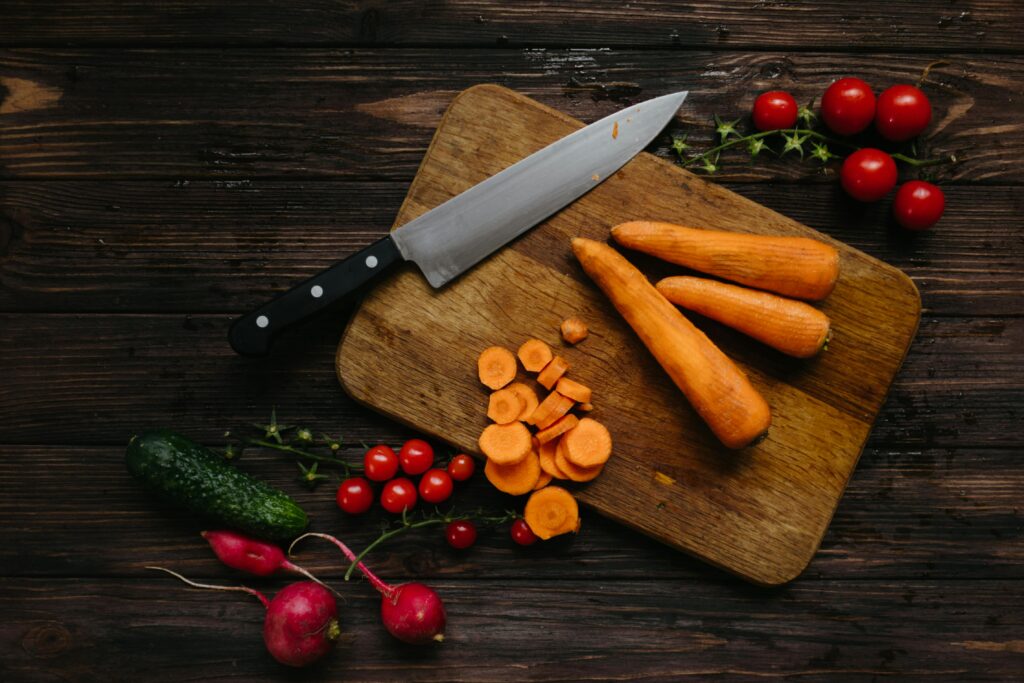
Knife skills are essential for every beginner. Proper cutting techniques make cooking faster and safer.
Learn how to:
- Chop vegetables evenly
- Slice ingredients correctly
- Use a sharp knife safely
Good knife skills improve your efficiency and presentation.
3. Understand Ingredients in Cooking Tips for Beginners
Understanding ingredients is a key part of cooking tips for beginners. Each ingredient has a role in the recipe.
You should learn:
- Types of spices
- Cooking oils and their uses
- Fresh vs packaged foods
This knowledge helps you make better cooking decisions.
4. Follow Measurements Properly in Cooking Tips for Beginners
Measurement is very important in cooking. Beginners should always follow exact measurements to avoid mistakes.
Incorrect measurements can:
- Change the taste
- Affect texture
- Ruin the dish
Using measuring cups and spoons ensures accuracy.
Basic Cooking Techniques for Beginners
5. Learn Frying, Boiling, and Steaming in Cooking Tips for Beginners
Cooking tips for beginners include mastering basic cooking techniques. These methods are used in most recipes.
- Frying: Cooking food in oil
- Boiling: Cooking food in water
- Steaming: Cooking using steam
Understanding these techniques helps you prepare many dishes.
6. Control Heat While Cooking in Cooking Tips for Beginners
Heat control is crucial in cooking. Beginners often use too much or too little heat.
- High heat: Quick cooking
- Medium heat: Balanced cooking
- Low heat: Slow cooking
Learning heat control improves cooking results.
7. Taste While Cooking in Cooking Tips for Beginners
Tasting food during cooking helps you adjust flavors.
You can:
- Add salt if needed
- Adjust spices
- Improve taste
This is one of the simplest yet most effective cooking tips.
8. Keep Your Kitchen Clean in Cooking Tips for Beginners
A clean kitchen is essential for good cooking.
- Clean utensils after use
- Keep ingredients organized
- Maintain hygiene
This improves efficiency and safety.
Common Cooking Mistakes Beginners Should Avoid
9. Adding Too Much Salt or Spices
Beginners often add too much seasoning. Always add small amounts and taste.
10. Overcooking Food
Overcooking reduces flavor and nutrition. Learn proper cooking times.
11. Not Reading Recipes Properly
Always read the full recipe before starting to avoid confusion.
12. Using Wrong Utensils
Using proper utensils improves cooking quality and safety.
Benefits of Learning Cooking Tips for Beginners
Cooking tips provide many benefits:
- Healthy eating habits
- Cost savings
- Better lifestyle
- Improved confidence
Advanced Cooking Tips for Beginners
Once you understand the basics, you can move to advanced beginner tips:
- Experiment with flavors
- Learn different cuisines
- Improve presentation
- Use fresh ingredients
These steps help you grow your cooking skills.
Daily Practice Plan for Beginners
To improve quickly:
- Cook at least one meal daily
- Try new recipes weekly
- Learn from mistakes
- Watch cooking tutorials
Consistency is key.
Kitchen Essentials for Beginners
Every beginner should have:
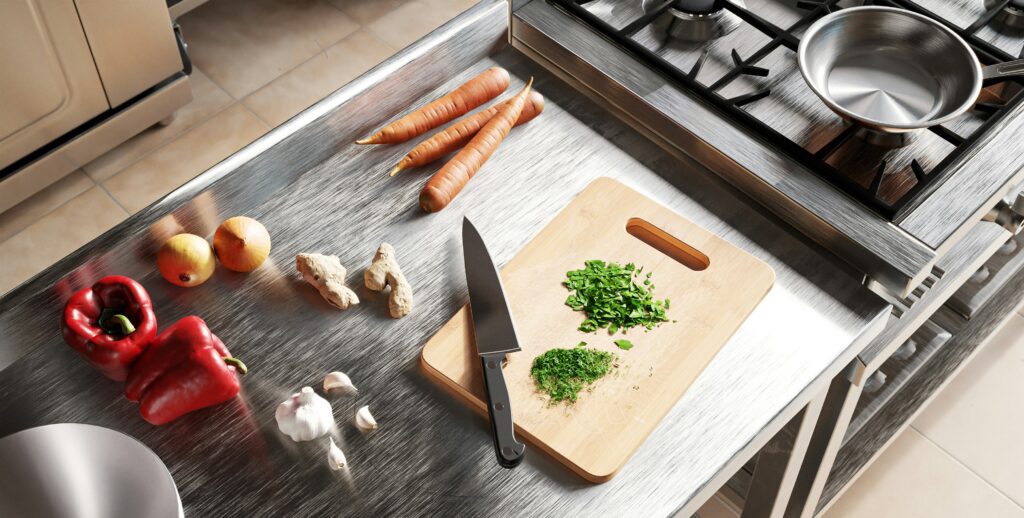
- Knife and cutting board
- Cooking pans
- Measuring tools
- Storage containers
These tools make cooking easier.
Time Management Tips in Cooking
Cooking efficiently saves time:
- Prepare ingredients in advance
- Use simple recipes
- Clean while cooking
Budget Cooking Tips for Beginners
Cooking at home saves money:
- Buy seasonal vegetables
- Avoid waste
- Plan meals
Safety Tips for Beginners
- Handle knives carefully
- Avoid touching hot surfaces
- Keep children away from kitchen
FAQs
1. Can beginners learn cooking easily?
Yes, with practice and simple steps.
2. How long does it take to learn cooking?
Basic cooking can be learned in a few weeks.
3. What is the easiest food to cook?
Simple dishes like rice and dal are easy.
Conclusion
Cooking tips for beginners help you build a strong foundation in the kitchen. With practice, patience, and the right techniques, anyone can become a good cook.
Start simple, learn step by step, and enjoy the process. Cooking at home will become a rewarding experience.