Food storage tips are essential for maintaining the freshness and safety of your ingredients. Many households face the problem of food spoilage, which leads to waste and unnecessary expenses.
By following the right food storage tips, you can keep your ingredients fresh for a longer time. Proper storage also helps in preserving nutrients, taste, and quality.
In this guide, you will learn practical and effective food storage tips that can improve your kitchen management and reduce food waste.
Why Food Storage Tips Are Important
Food storage tips play a crucial role in everyday cooking and kitchen management.
They help you:
Prevent food spoilage
Maintain hygiene
Save money
Reduce waste
Improve food quality
Using proper food storage ensures that your ingredients remain safe for consumption.
10 Amazing Food Storage Tips That Keep Ingredients Fresh and Safe
1. Use Airtight Containers for Food Storage
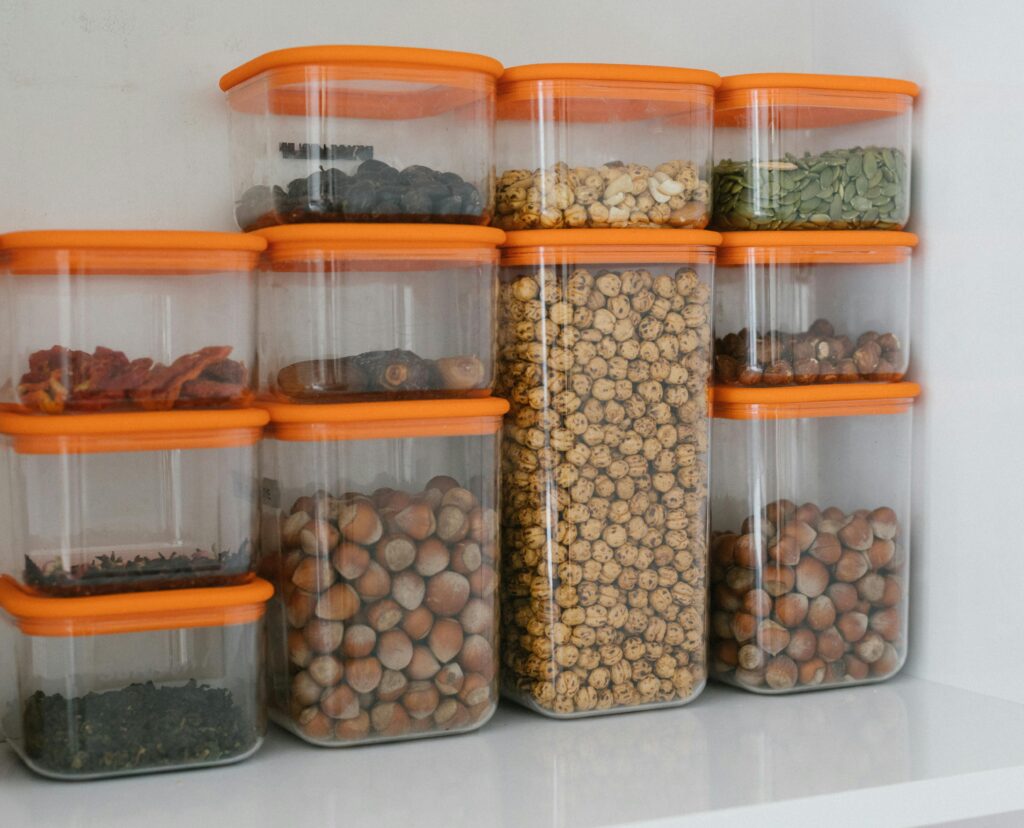
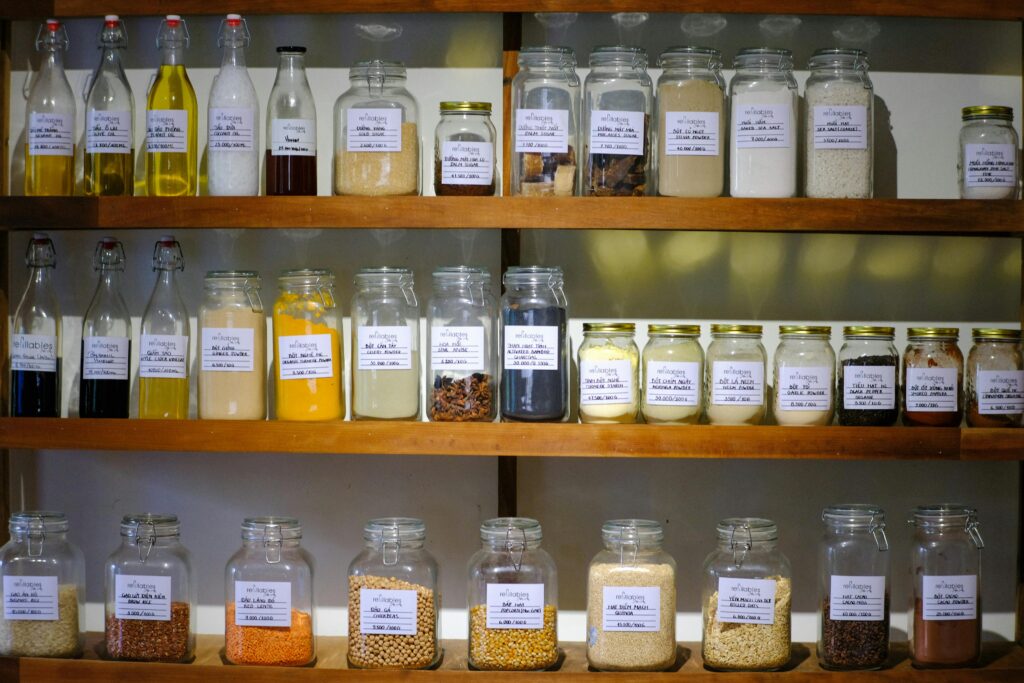
One of the most important food storage is to use airtight containers. These containers prevent air and moisture from entering, which helps keep food fresh.
Benefits:
Prevents spoilage
Keeps food dry
Protects from insects
2. Follow FIFO Method in Food Storage
FIFO (First In, First Out) is a key food storage tip.
Use older items first
Avoid waste
Keep track of storage dates
3. Refrigerate Perishable Items Properly
Proper refrigeration is one of the most effective food storage tips.
Store dairy products inside the fridge
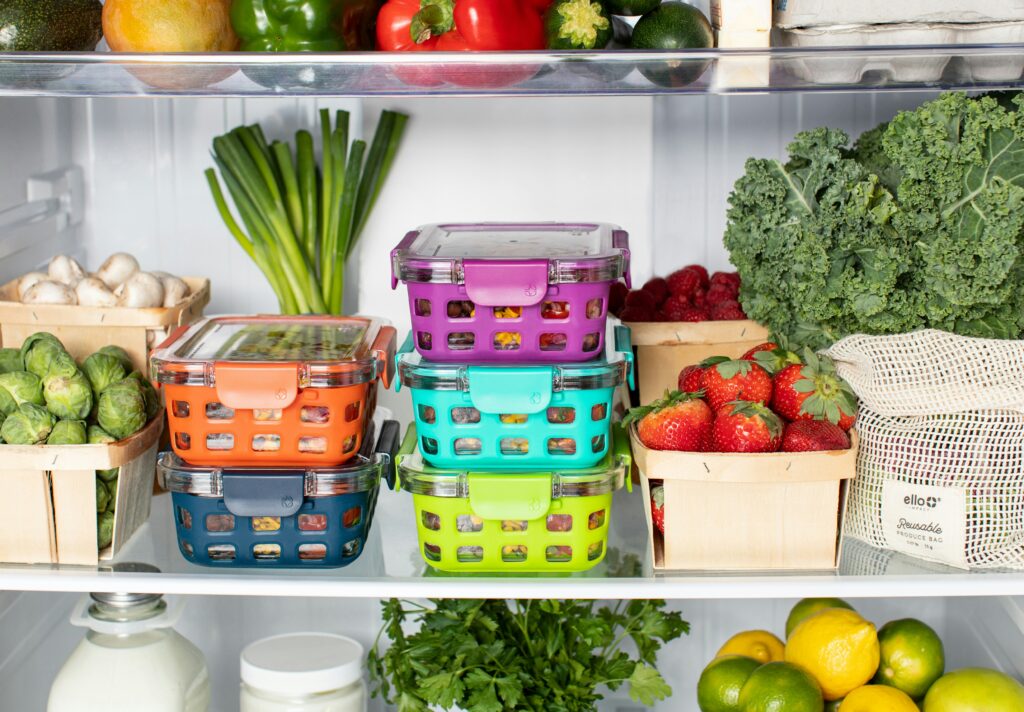
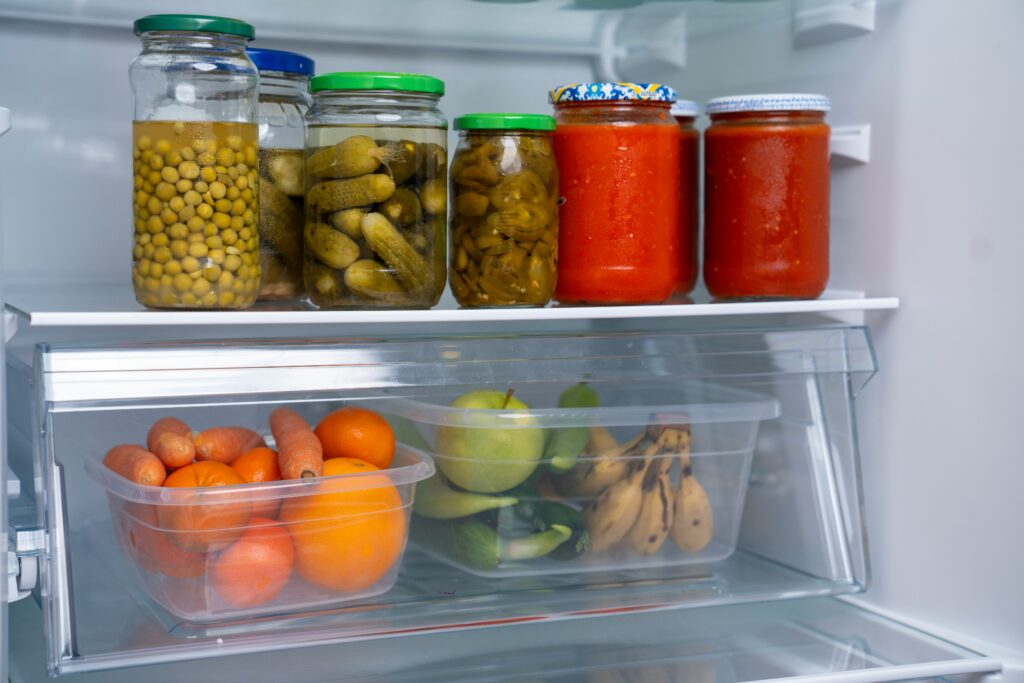
Keep vegetables in crisper drawers
Maintain correct temperature
4. Store Vegetables Correctly Using Food Storage Tips
Different vegetables require different storage methods.
Leafy greens → wrap in paper towel
Root vegetables → store in cool places
Avoid washing before storage
5. Keep Fruits Separate in Food Storage
Fruits release gases that can spoil vegetables.
Store fruits separately
Keep unripe fruits outside
Refrigerate ripe fruits
6. Use Freezer Efficiently in Food Storage
Freezing is a powerful food storage tip.
You can freeze:
Vegetables
Meat
Cooked food
This increases shelf life and saves time.
7. Label and Date Food Items
Labeling is an important food storage tip.
Write dates on containers
Track freshness
Avoid confusion
8. Store Grains and Pulses Safely
Proper storage of grains is essential.
Use airtight containers
Keep in dry place
Use natural repellents
9. Store Cooked Food Properly
Cooked food should be stored carefully.
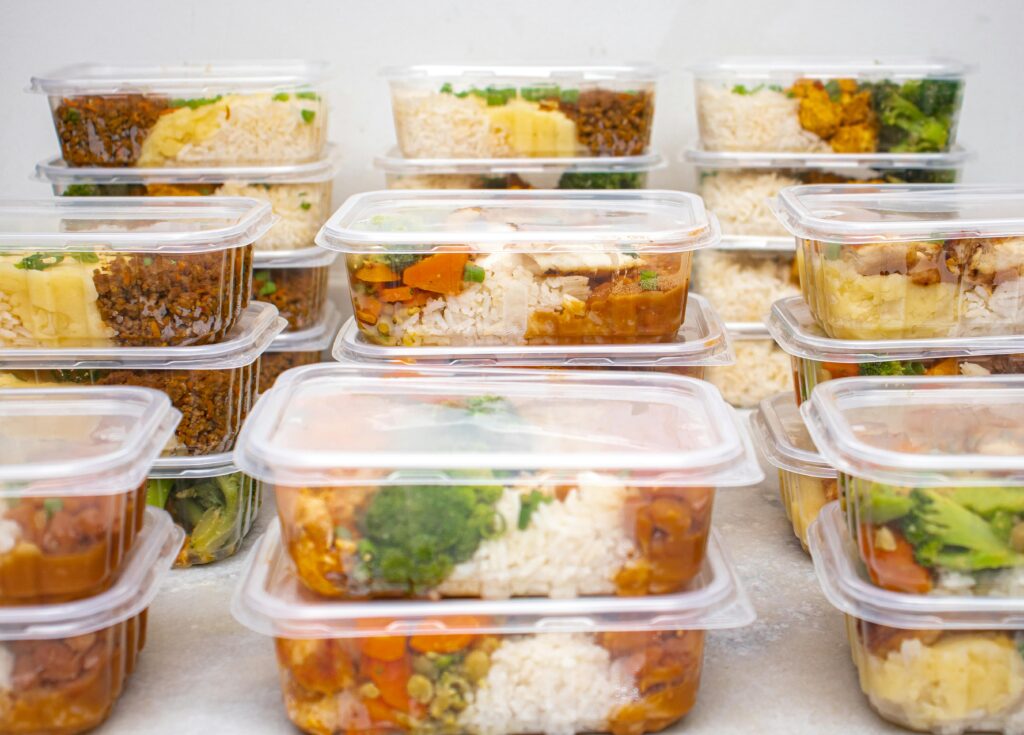
Cool before storing
Use clean containers
Avoid long storage
10. Maintain Clean Storage Areas
Clean storage areas prevent contamination.
Clean fridge regularly
Remove expired items
Maintain hygiene
Detailed Guide to Food Storage Tips
Food storage go beyond basic storage. Understanding how different foods behave helps you store them correctly.
Food Storage Tips for Vegetables
Vegetables are sensitive to moisture and temperature.
Store leafy greens in fridge
Keep onions and potatoes separate
Avoid plastic bags for some vegetables
Food Storage Tips for Fruits
Fruits need proper ventilation.
Store apples separately
Keep bananas outside
Refrigerate berries
Food Storage Tips for Dairy Products
Dairy products spoil quickly.
Keep milk in coldest section
Avoid door storage
Seal tightly
Food Storage Tips for Cooked Food
Cooked food must be handled carefully.
Store within 2 hours
Reheat properly
Avoid repeated reheating
Advanced Food Storage Tips
Vacuum Sealing in Food Storage
Vacuum sealing removes air and increases shelf life.
Refrigerator Organization Food Storage
Organize fridge into sections:
Top → ready-to-eat food
Middle → dairy
Bottom → raw items
Freezer Management Food Storage
Avoid overloading
Use freezer bags
Label items
Bulk Storage Food Storage
Store bulk items properly to avoid spoilage.
Benefits of Food Storage
Food storage provide:
Fresh ingredients
Reduced waste
Better hygiene
Cost savings
Common Mistakes in Food Storage
Overcrowding fridge
Using wrong containers
Ignoring expiry dates
Mixing foods
Daily Routine for Food Storage
Check fridge daily
Clean weekly
Organize items
Use older items first
FAQs
1. How to keep vegetables fresh longer?
Store them properly in fridge and avoid moisture.
2. Can all foods be frozen?
No, some foods lose texture when frozen.
Conclusion
Food storage are essential for maintaining freshness and safety in your kitchen. By following these simple techniques, you can reduce waste and keep your ingredients fresh for a longer time.
Start using these food storage tips today and improve your kitchen efficiency.