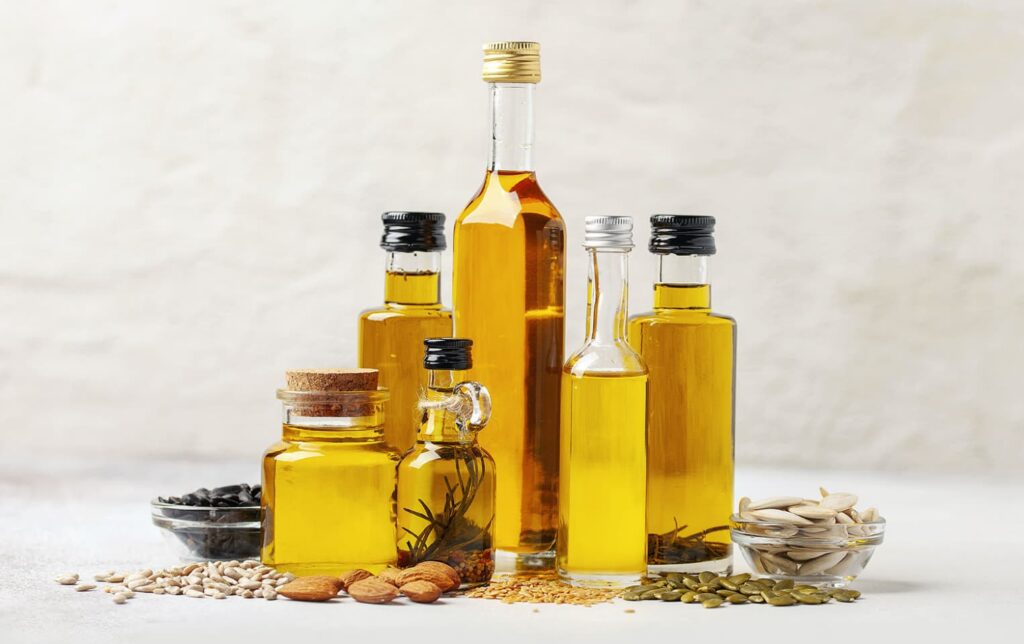
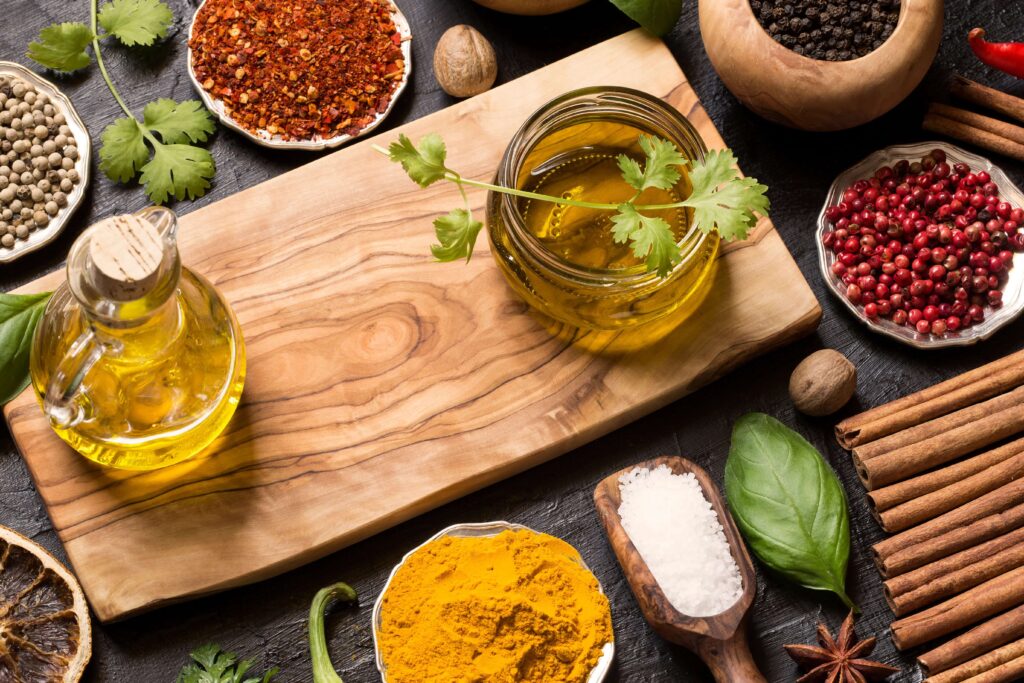
Choosing the best cooking oils is very important for maintaining good health and improving the taste of your food. In Indian cooking, oils are used in almost every dish, from frying and sautéing to tempering and baking.
Different oils have different nutritional properties, flavors, and cooking uses. Some oils are better for high-heat cooking, while others are ideal for light cooking or salads.
In this complete guide, you will learn about the top cooking oils for Indian cooking, their benefits, and how to use them properly for better health.
Why Choosing the Best Cooking Oils Is Important
Using the top cooking oils helps:
Improve heart health
Enhance flavor and aroma
Support digestion
Provide essential nutrients
Maintain overall well-being
Choosing the right oil is not just about taste—it is also about long-term health.
10 Best Cooking Oils for Indian Cooking
1. Mustard Oil – Best Cooking Oils
Mustard oil is one of the most popular cooking oils in India.
Benefits:
Rich in healthy fats
Strong and unique flavor
Good for heart health
Best for:
Frying
Pickles
Traditional dishes
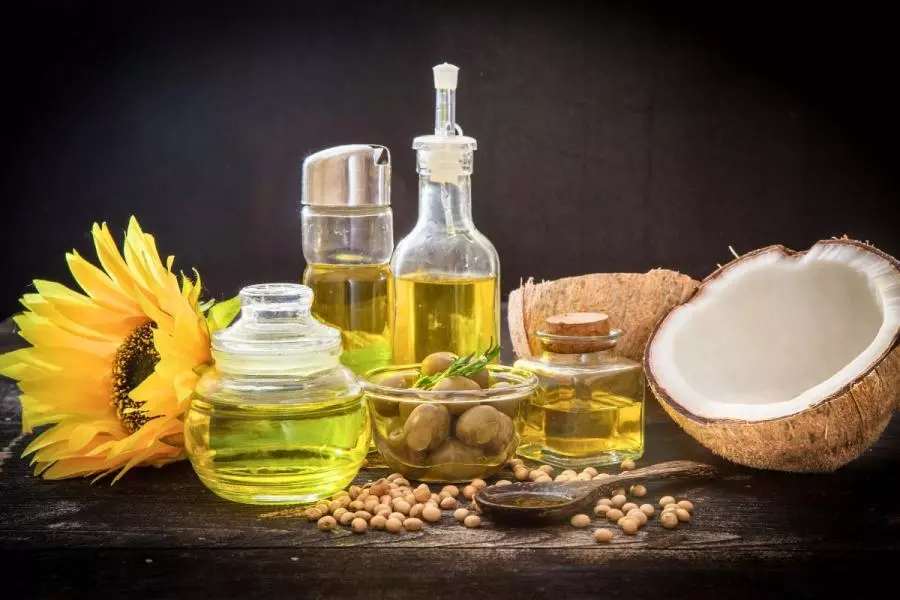
2. Coconut oil – Best Cooking Oils
Coconut oil is widely used in South Indian cooking.
Benefits:
Boosts metabolism
Improves digestion
Adds rich flavor
Best for:
Curries
Frying
Baking
3. Groundnut Oil – Best Cooking Oils
Groundnut oil is commonly used for everyday cooking.
Benefits:
High smoke point
Ideal for frying
Contains healthy fats
4. Sunflower Oil
Sunflower oil is a light and neutral oil.
Benefits:
Low saturated fat
Mild taste
Suitable for daily use
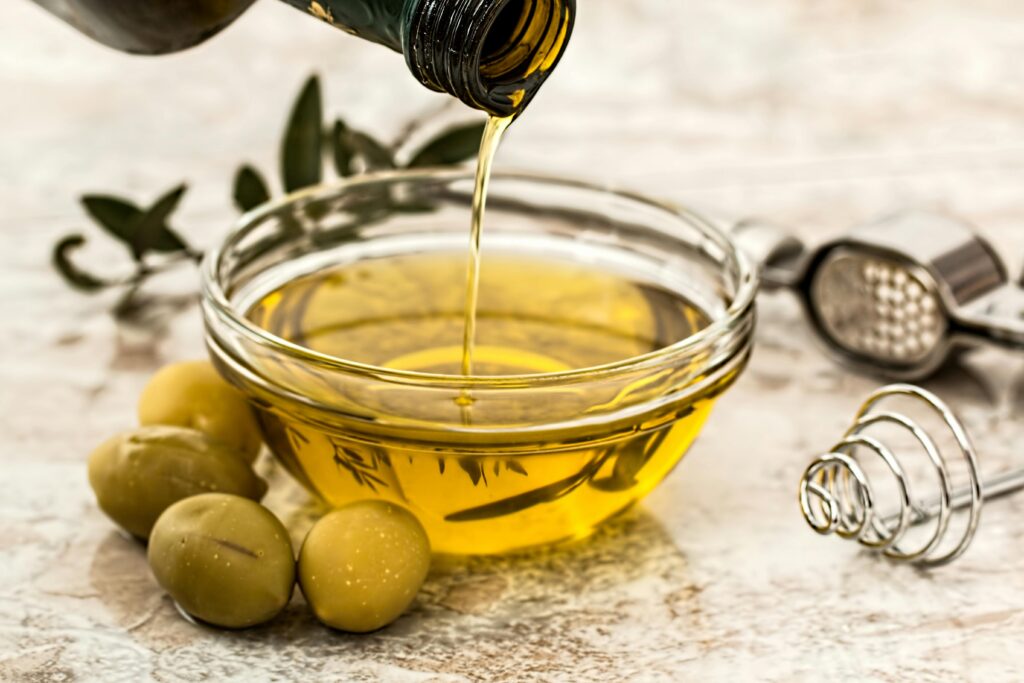
5. Olive Oil
Olive oil is becoming popular in Indian kitchens.
Benefits:
Rich in antioxidants
Supports heart health
Contains healthy fats
Best for:
Salads
Light cooking
6. Rice Bran Oil
Rice bran oil is known for its health benefits.
Benefits:
Helps reduce cholesterol
High smoke point
Good for heart
7. Sesame Oil
Sesame oil is used in many traditional recipes.
Benefits:
Rich in nutrients
Improves digestion
Strong flavor
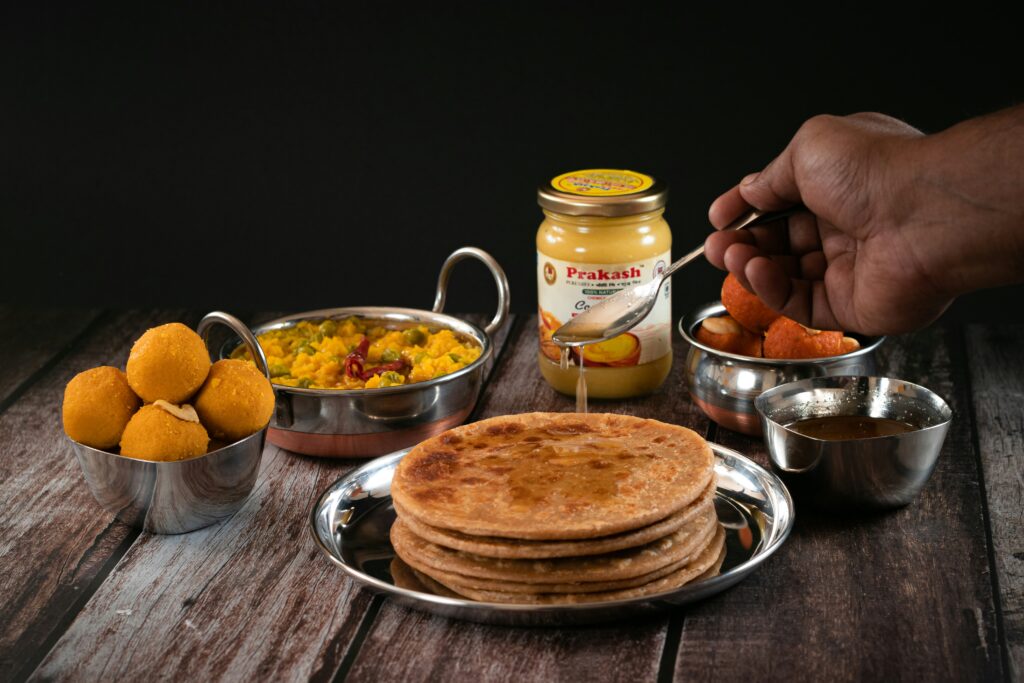
8. Ghee
Ghee is a traditional cooking fat in India.
Benefits:
Enhances taste
Supports digestion
Rich in vitamins
9. Soybean Oil
Soybean oil is widely used due to affordability.
Benefits:
Balanced fats
Suitable for daily cooking
10. Palm Oil
Palm oil is commonly used in processed foods.
Note: Use in moderation.
Detailed Guide to Best Cooking Oils
Understanding Smoke Point in Cooking Oils
Smoke point is the temperature at which oil starts to burn.
High smoke point → frying
Medium → sautéing
Low → light cooking
Nutritional Value of Cooking Oils
Cooking oils provide:
Healthy fats
Vitamins
Antioxidants
Choosing the Right Cooking Oil
Consider:
Cooking method
Health goals
Flavor preference
Best Cooking Oils for Different Cooking Methods
Frying
Groundnut oil
Rice bran oil
Deep Frying
Mustard oil
Sunflower oil
Light Cooking
Olive oil
Coconut oil
Traditional Cooking
Ghee
Sesame oil
Health Benefits of Best Cooking Oils
Using the top cooking oils can:
Improve heart health
Boost metabolism
Support digestion
Provide energy
Common Mistakes While Using Cooking Oils
Reusing oil multiple times
Overheating oil
Using wrong oil
Tips to Use Cooking Oils Properly
Use fresh oil
Avoid overheating
Store in cool place
FAQs on Best Cooking Oils
1. Which oil is best for Indian cooking?
Mustard oil, groundnut oil, and ghee are widely used.
2. Is olive oil suitable for Indian cooking?
Yes, for light cooking and salads.
Conclusion on Best Cooking Oils
Choosing the best cooking oils is essential for maintaining health and improving taste. By selecting the right oil for your cooking needs, you can enjoy healthier and more flavorful meals.
Use different oils based on your cooking method and always focus on quality.