
1. 🐟 Machher Jhol – The Soul of Bengali Comfort Food
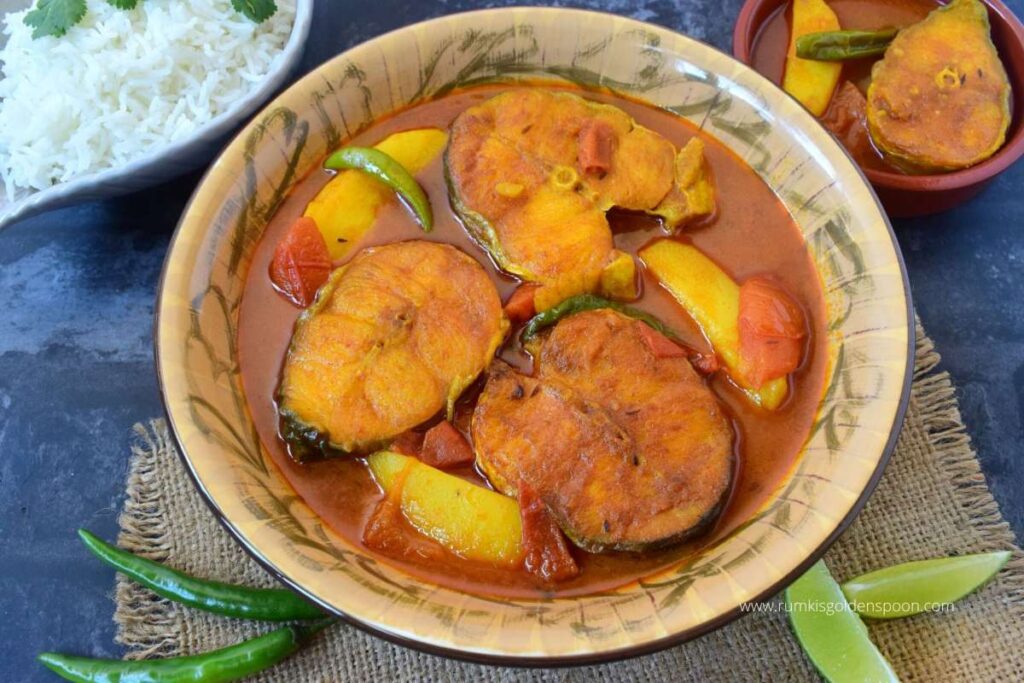
Top East Indian Food: 💡 Introduction
Top East Indian Food: Machher Jhol is a light yet flavorful Bengali fish curry, deeply tied to the everyday meals of millions in West Bengal, Odisha, and Bangladesh. Its magic lies in the use of fresh river fish, seasonal vegetables, and a golden turmeric-infused broth that’s light on the stomach yet rich in taste. For Bengalis, it’s more than just a curry—it’s a way of life, often forming the centerpiece of a humble, wholesome lunch served with steaming white rice.
Top East Indian Food: 🏛 Cultural Significance
-
Daily Essential: Machher Jhol is not reserved for special occasions—it’s part of the daily lunch in many Bengali households.
-
Riverside Tradition: The recipe celebrates the abundance of freshwater fish from rivers like the Ganga and Padma.
-
Seasonal Touch: Different vegetables are added depending on the time of year—potatoes, eggplants, cauliflower, or tomatoes.
-
Family Bonding: Cooking and sharing fish curry is often a family ritual, with recipes passed down for generations.
🥗 Key Ingredients
-
Fresh River Fish (Rohu, Katla, or Hilsa)
-
Mustard Oil
-
Turmeric Powder
-
Red Chili Powder
-
Potatoes (optional)
-
Tomatoes
-
Green Chilies
-
Cumin Seeds
-
Fresh Coriander Leaves
-
Salt to taste
👩🍳Top East Indian Food: Preparation Method
-
Clean & Marinate: Wash the fish and marinate with turmeric and salt for 10–15 minutes.
-
Shallow Fry: Lightly fry the fish pieces in mustard oil until golden.
-
Prepare the Base: In the same oil, temper cumin seeds and green chilies, then add tomatoes and potatoes.
-
Spice It Up: Add turmeric, red chili powder, and cook until the masala releases oil.
-
Simmer: Pour water, bring to a boil, and gently add the fried fish.
-
Finish: Simmer for a few minutes, garnish with fresh coriander, and serve hot.
🍽 Serving Suggestions
-
Traditionally served with steamed white rice.
-
Pair with a side of begun bhaja (fried eggplant) or aloo bhaja (crispy fried potatoes).
-
A wedge of fresh lime adds extra brightness to the dish.
💖 Why Everyone Likes It
-
Light, healthy, and easy to digest.
-
Bursting with fresh, natural flavors.
-
Comforting and nostalgic for anyone with roots in Eastern India.
-
Can be adapted with different fish and vegetables.
📝 Final Thought
Machher Jhol isn’t just a dish—it’s a reminder of home, of riverside markets bustling with fresh catch, and of the warm kitchens where it’s lovingly prepared. Every spoonful carries the fragrance of mustard oil, the glow of turmeric, and the taste of family tradition. Simple yet soulful, it’s a recipe that has stood the test of time, nourishing both body and heart.
2. 🐟 Shorshe Ilish – The Royal Hilsa in Mustard Glory
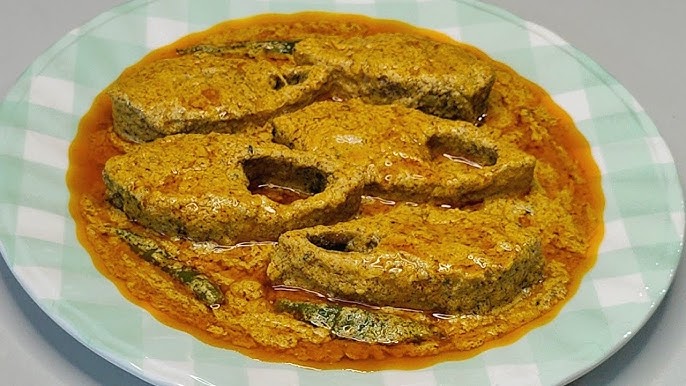
💡 Top East Indian Food:Introduction
Shorshe Ilish is an iconic Bengali delicacy that showcases the prized Hilsa fish, revered as the “queen of fishes.” This dish marries the richness of Hilsa with the pungent depth of mustard seeds, creating a sharp, earthy, and irresistible curry. Served traditionally during monsoon season, when Hilsa is at its freshest, Shorshe Ilish is less a recipe and more a celebration—of abundance, heritage, and pure culinary artistry.
🏛 Cultural Significance
-
Seasonal Luxury: Hilsa is caught during monsoon and is considered a seasonal delicacy.
-
Festive Dish: Commonly prepared for special occasions like Poila Boishakh (Bengali New Year) or weddings.
-
Cultural Symbol: A sign of status and affection, often gifted to relatives during festivals.
-
Riverside Heritage: Pays homage to the Padma and Ganga rivers, where Hilsa thrives.
🥗 Key Ingredients
-
Black & Yellow Mustard Seeds
-
Mustard Oil
-
Green Chilies
-
Turmeric Powder
-
Salt to taste
-
Water (for curry consistency)
👩🍳 Preparation Method
-
Soak & Grind: Soak mustard seeds and green chilies, then grind into a smooth paste.
-
Marinate Fish: Coat Hilsa pieces with turmeric and salt.
-
Light Fry: Gently fry the fish in mustard oil for a short time to lock in flavor.
-
Prepare Mustard Sauce: In the same pan, add mustard paste, turmeric, salt, and water.
-
Simmer & Add Fish: Let the sauce boil, then slide in the fish.
-
Finish: Simmer for a few minutes, drizzle with raw mustard oil for that final pungent kick.
🍽 Serving Suggestions
-
Always enjoyed with steaming hot rice.
-
Can be accompanied by simple stir-fried greens to balance the richness.
-
Traditionally served in banana leaf plates during cultural feasts.
💖 Why Everyone Likes It
-
Combines the delicate flavor of Hilsa with bold mustard punch.
-
Aromatic and full of depth.
-
A symbol of Bengali pride and identity.
-
A rare seasonal treat that feels truly special.
📝 Final Thought
Shorshe Ilish is more than just food—it’s poetry on a plate. The silky texture of Hilsa, the fiery embrace of mustard, and the fragrance of mustard oil together create an experience that’s both bold and elegant. For Bengalis, it’s a dish that stirs memories of rainy afternoons, riverside markets, and family celebrations, making it a timeless jewel in Eastern India’s culinary crown.
3. 🍚 Pakhala Bhata – Odisha’s Cooling Summer Comfort
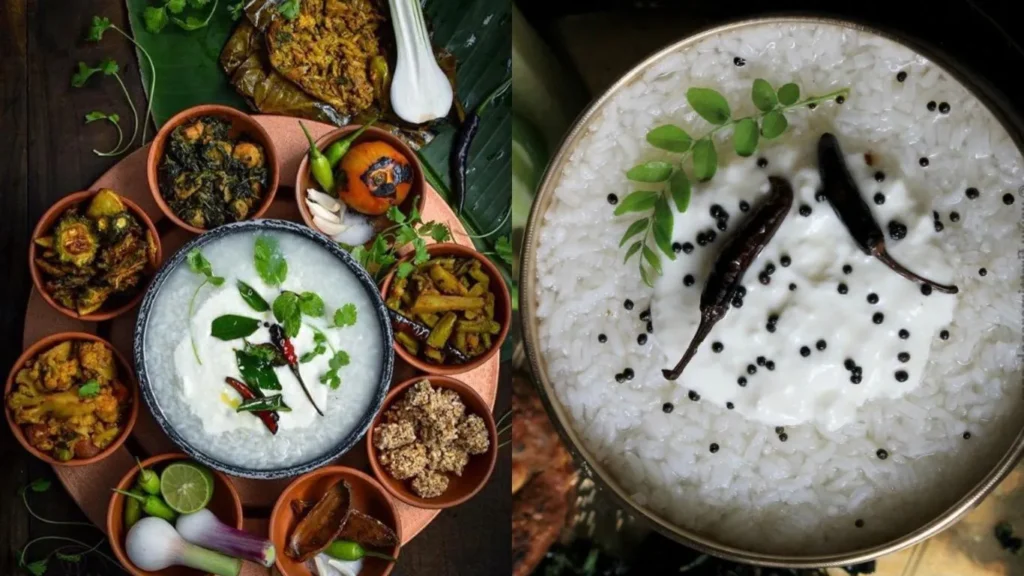
💡 Top East Indian Food:Introduction
Pakhala Bhata is Odisha’s beloved fermented rice dish, enjoyed especially during the sweltering summer months. It’s made by soaking cooked rice in water (sometimes lightly fermented overnight) and served with simple accompaniments like fried or boiled vegetables, green chilies, and curd. This humble yet nourishing dish isn’t just food—it’s a natural coolant, a digestive aid, and a slice of rural life that has remained unchanged for centuries.
🏛 Cultural Significance
-
Summer Staple: Consumed widely on hot days to cool the body and prevent heat strokes.
-
Pakhala Dibasa: March 20th is celebrated in Odisha as Pakhala Dibasa (Pakhala Day).
-
Temple Influence: Closely tied to Odisha’s temple traditions, often part of humble offerings.
-
Symbol of Simplicity: A dish that reflects the agricultural roots of Odisha, connecting people to the land.
🥗 Key Ingredients
-
Cooked Rice (preferably a day old)
-
Water (room temperature or chilled)
-
Yogurt (optional, for sourness)
-
Salt
-
Green Chilies
-
Curry Leaves (optional)
-
Mustard Seeds (optional tempering)
👩🍳 Preparation Method
-
Cook & Cool: Prepare rice and allow it to cool completely.
-
Soak: Add water to the rice in a bowl; for basi pakhala, let it ferment overnight.
-
Optional Curd: Mix in yogurt for extra tanginess.
-
Tempering: Some prefer adding mustard seed and curry leaf tempering for aroma.
-
Serve Cold: Garnish with green chilies or fresh coriander.
🍽 Serving Suggestions
-
Traditionally served with fried fish, badi chura (crushed lentil dumplings), or sautéed greens.
-
A side of raw onions and mango pickle adds extra punch.
-
Best eaten with bare hands for the authentic experience.
💖 Why Everyone Likes It
-
Naturally cools the body during summer.
-
Light, hydrating, and probiotic-rich.
-
Easy to prepare and budget-friendly.
-
Carries the taste of home and rural traditions.
📝 Final Thought
Pakhala Bhata is more than a meal—it’s Odisha’s answer to the summer sun, a bowl of comfort that speaks of slow living and natural wellness. With every sip of its tangy, chilled broth, you taste the rhythms of rural life, the generosity of the fields, and the wisdom of generations who knew how to stay cool and nourished without modern luxuries.
4. 🍮 Chhena Poda – Odisha’s Divine Baked Sweet
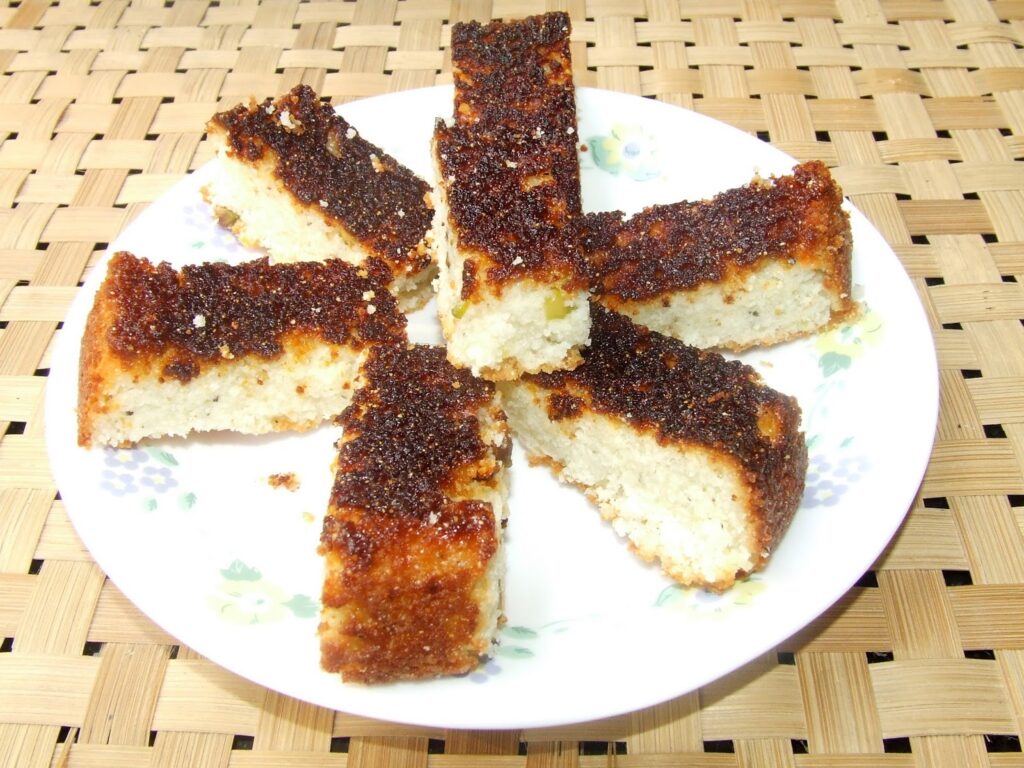
💡 Introduction
Chhena Poda, which literally means “burnt cheese” in Odia, is Odisha’s signature dessert and a true pride of its culinary heritage. Made from fresh chhena (Indian cottage cheese), sugar, and semolina, it’s baked until the edges caramelize, creating a smoky, rich flavor that’s simply irresistible. Its charm lies in its rustic simplicity—often prepared in traditional wood-fired ovens, infusing it with a distinct aroma that no modern appliance can replicate.
🏛 Cultural Significance
-
Temple Origins: Believed to have been first offered to Lord Jagannath in Puri’s Jagannath Temple, making it spiritually significant.
-
Accidental Creation: Folklore says a sweet maker left sweetened chhena in a warm oven overnight, creating this iconic dish.
-
Festive Treat: Commonly prepared during festivals like Raja Parba and Durga Puja.
-
State Symbol: Often called the “Pride of Odisha” in sweet-making.
🥗 Key Ingredients
-
Fresh Chhena (Paneer)
-
Sugar or Jaggery
-
Cardamom Powder
-
Baking Powder (optional)
-
Ghee
-
Cashew Nuts & Raisins
-
Banana Leaf (traditional lining for baking)
👩🍳 Preparation Method
-
Prepare Chhena: Knead fresh chhena until smooth.
-
Mix Batter: Combine chhena with semolina, sugar, ghee, cardamom powder, and dry fruits.
-
Line & Pour: Line a baking dish (or banana leaf) and pour in the batter.
-
Bake: Cook at medium temperature until golden brown, with slightly burnt edges.
-
Cool & Slice: Let it rest before cutting into slices.
🍽 Serving Suggestions
-
Best enjoyed slightly warm to experience the full caramelized aroma.
-
Served plain or with a drizzle of condensed milk for extra richness.
-
Traditionally cut into thick, rustic slices rather than perfect shapes.
💖 Why Everyone Likes It
-
Soft inside with a smoky, caramelized crust.
-
Unique among Indian sweets for being baked rather than fried.
-
Carries the comforting taste of homemade, rustic cooking.
-
A dessert that feels both festive and everyday.
📝 Final Thought
Chhena Poda isn’t just Odisha’s favorite dessert—it’s a slice of tradition baked into golden perfection. Each bite carries the warmth of home, the sweetness of celebration, and the timeless magic of an accidental creation that became a culinary legend. For anyone visiting Eastern India, tasting Chhena Poda is not optional—it’s a delicious obligation.
5. 🥟 Momos – Eastern India’s Steamed Delight
💡 Introduction
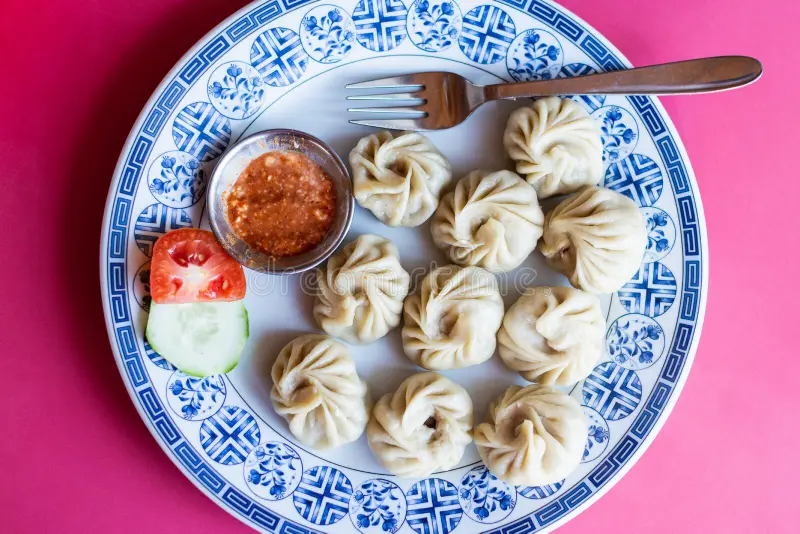
Momos, the soft and juicy dumplings loved across the Himalayan belt, have become a staple street food in Eastern India, especially in Sikkim, Darjeeling, and Arunachal Pradesh. Originating from Tibetan and Nepali cuisine, these little pockets of joy are stuffed with vegetables, meat, or cheese, then steamed (or sometimes fried) to perfection. They’re light, flavorful, and always paired with a fiery red chili sauce that packs a punch.
🏛 Cultural Significance
-
Himalayan Heritage: Introduced to Eastern India through Tibetan and Nepalese migration.
-
Social Food: Served in gatherings, tea stalls, and street corners as a bonding snack.
-
Festival Favorite: Popular during Losar (Tibetan New Year) and other regional celebrations.
-
Symbol of Fusion: Represents the blend of Himalayan flavors with local Indian spices.
🥗 Key Ingredients
-
All-Purpose Flour (Maida) for dough
-
Filling: Cabbage, Carrot, Onions, Garlic, Ginger
-
Meat Options: Chicken, Pork, or Buff (in some regions)
-
Seasonings: Salt, Pepper, Soy Sauce
-
Oil (for sautéing filling)
👩🍳 Preparation Method
-
Dough: Knead flour with water until smooth; rest for 20–30 minutes.
-
Filling: Sauté vegetables or minced meat with ginger, garlic, and seasoning.
-
Shape: Roll dough into small circles, add filling, and fold into pleated dumplings.
-
Steam: Place in a steamer for 8–10 minutes until translucent and cooked through.
-
Serve: With spicy tomato-chili dipping sauce.
🍽 Serving Suggestions
-
Served piping hot with fiery momo chutney (red chili-tomato sauce).
-
Can be enjoyed with clear soup for a comforting meal.
-
Fried or pan-fried versions (kothey momos) for extra crispiness.
💖 Why Everyone Likes It
-
Light yet satisfying snack or meal.
-
Versatile fillings for both vegetarians and meat lovers.
-
Easy to grab and eat on the go.
-
The spicy dipping sauce makes it addictive.
📝 Final Thought
Momos are more than just dumplings—they’re a warm hug in a small, steamed parcel. With their delicate wrappers, flavorful fillings, and tongue-tingling chutney, they embody the spirit of Eastern India’s street food culture: simple, affordable, and bursting with joy. Whether on a cold mountain morning or a rainy evening in the plains, a plate of momos is always the right answer.