
Health And Fitness

We are reminded of how closely health and fitness are connected to a happy life by saying things like “health is wealth” and “fitness is the key to happiness.” True health means more than just not being sick—it’s about feeling well physically and mentally. Our health is also influenced by our environment and our daily habits, so finding this balance requires more than just individual effort. Keeping our surroundings clean and free of pollution is everyone’s responsibility because our surroundings, whether in a city or a village, can have an impact on our well-being. Our choices in how we live our lives are just as important as having a healthy environment. How fit we are is influenced by our diet, how active we are, and how we deal with stress. A healthy diet is essential to good health. Foods that are rich in proteins, carbohydrates, vitamins, and minerals contribute to body growth, provide energy, and support immunity. While proteins help in body repair and growth, carbohydrates give energy, and vitamins and minerals keep bones strong and protect us from illnesses. It’s not enough just to eat healthy food—it must also be well-balanced. Maintaining a healthy weight, getting enough nutrients into your diet, and getting enough sleep are all benefits of eating right. Incorporating fresh vegetables, legumes, and fiber into our diets aids in internal cleansing and improves digestion. Proving that what we eat has a long-term impact on our quality of life, healthy eating habits lower the risk of major illnesses like heart disease and high cholesterol in the long run.Health Is Wealth.
Health Is Wealth : Benefits Of Yoga

Title: The Holistic Impact of Yoga on Physical and Mental Well-Being
Because of its comprehensive approach to health and wellness, yoga, an age-old Indian practice, has become popular around the globe. Incorporating meditation, breathwork, body positions, and moral guidelines, yoga serves as a holistic method for attaining balance in the body, mind, and soul. This essay explores yoga’s background, principles, health and psychological advantages, as well as its notable influence on individual transformation
Health Is Wealth : Physical Benefits Of Yoga
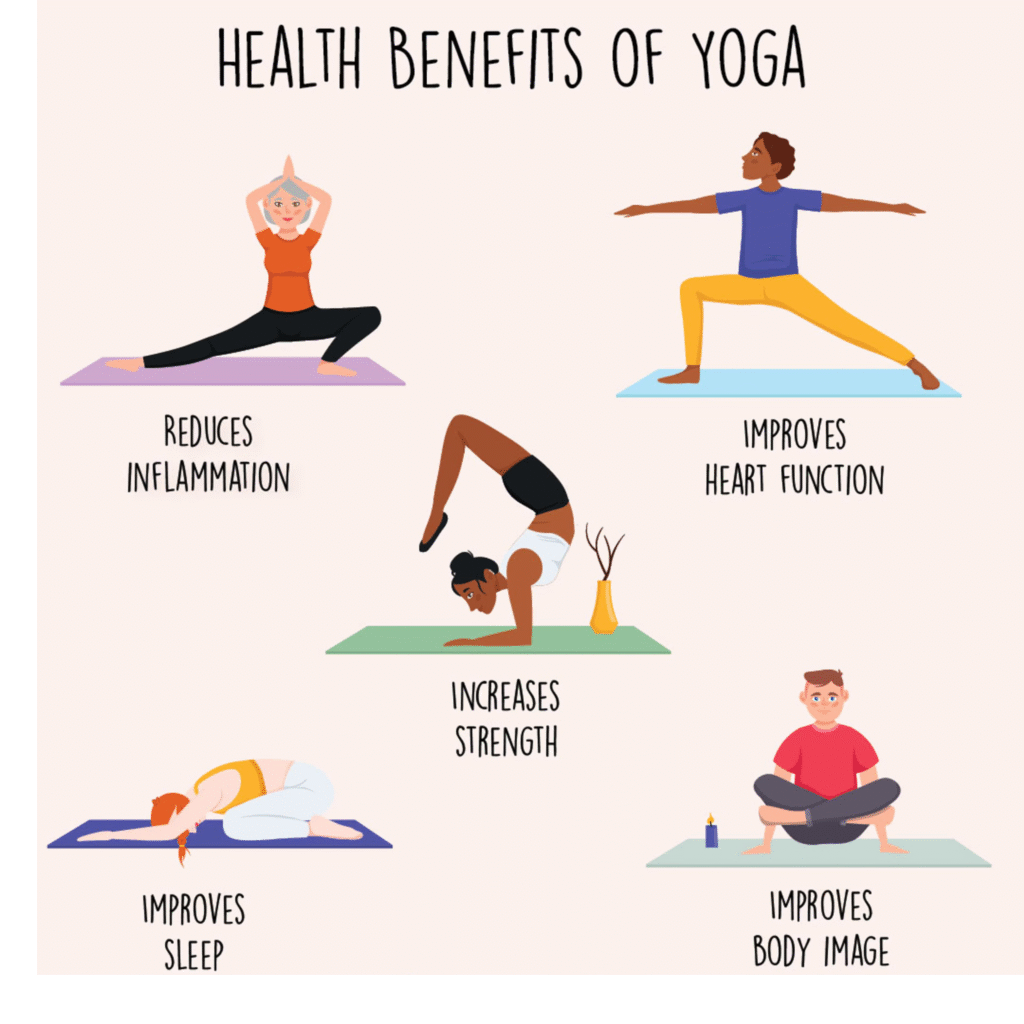
Health is Wealth : Yoga offers numerous physical advantages that are essential for enhancing overall well-being and improving life quality. Central to the practice of yoga are asanas, or the physical poses, which aim to not only increase flexibility and strengthen the body but also foster a profound connection between the mind and body. These physical movements greatly enhance flexibility, enabling muscles and joints to function through their entire range of motion, helping to avoid stiffness and lower the chances of muscle injuries. Over time, individuals who engage in yoga often experience a significant boost in muscle strength and physical stamina, especially in regions that might be less active or disproportionate due to current inactive lifestyles.
A further advantage of yoga is the enhancement of balance and coordination, which is achieved through both physical effort and mental concentration during practice. This aspect becomes increasingly vital as we grow older, aiding in the prevention of falls and enhancing stability. In addition, yoga fosters bodily awareness and proper alignment, instructing practitioners to identify and amend incorrect postures, thereby alleviating tension in the neck, shoulders, and back.
Regular yoga practice can also assist in managing or even alleviating chronic pain conditions such as arthritis, back pain, or fibromyalgia. This occurs because yoga encourages gentle movements, lessens inflammation, and boosts blood flow to the areas affected. On a more fundamental physiological level, yoga benefits the cardiovascular system by promoting improved circulation, decreasing blood pressure, and enhancing heart rate variability—elements that diminish the likelihood of heart disease.
The respiratory system gains from pranayama, the breath control techniques, which increase lung capacity and facilitate more effective breathing patterns. This can be especially advantageous for individuals with asthma or other respiratory issues. Likewise, yoga enhances the digestive system, fostering improved digestion and nutrient absorption by gently massaging the abdominal organs and enhancing gut movement.
Finally, yoga has been found to strengthen the immune system. By lowering stress hormones, boosting circulation, and promoting lymphatic drainage, yoga aids the body in defending itself against illness more effectively. In summary, the physical components of yoga provide much more than just an enhancement of fitness; they contribute to a comprehensive state of wellness that integrates strength, flexibility, internal health, and mindful living.Health Is Wealth
Health Is Wealth : Mental And Emotional Benefits Of Yoga
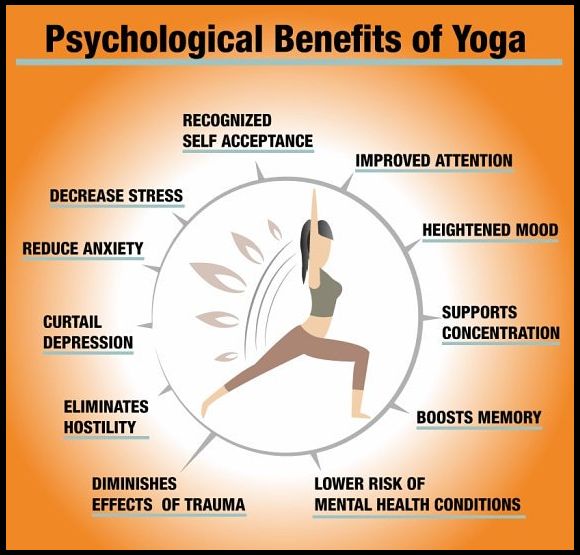
Health Is Wealth : Beyond its physical poses, yoga offers considerable mental and emotional advantages. Pranayama, which involves controlled breathing, significantly influences the nervous system and plays a crucial role in yoga. When you engage in deep, mindful breathing, it activates the parasympathetic nervous system, responsible for the body’s “rest and digest” mechanisms. This process promotes a sense of calmness, relaxation, and a reduction in stress levels. In our modern world, which is often fast-paced and full of stress, pranayama serves as an effective tool for tranquilizing the mind and reconnecting with the present moment.
Moreover, meditation is often integrated into yoga sessions. Mindfulness, which is the ability to fully recognize one’s thoughts, feelings, and environment without judgment, is cultivated through meditation, guiding the mind to stay in the present. This heightened awareness enhances focus, concentration, and mental clarity, facilitating better decision-making and thoughtfulness. Regular meditation also contributes to improved emotional regulation, enabling individuals to approach challenging situations with calmness and deliberation instead of rashness. Over time, practicing yoga fosters a deeper self-awareness that encourages individuals to become more attuned to their feelings and mental processes. As one learns to release negative self-criticisms and embrace their current selves, this awareness can lead to greater self-acceptance and compassion. Yoga promotes kindness toward one’s body and mind and aids in building emotional resilience, which is the ability to confront stress, loss, or failure without becoming overwhelmed. It also enhances mental well-being by stabilizing moods, enhancing sleep quality, and boosting “feel-good” hormones such as serotonin and dopamine, thus helping to mitigate issues like anxiety, depression, and sleep disturbances. Additionally, it fosters a more optimistic perspective, connecting individuals to a deeper sense of purpose, tranquility, and satisfaction. As the mind becomes more organized and open, creativity and problem-solving abilities often improve.
Ultimately, yoga serves as a comprehensive method for enhancing mental health. It provides a chance to breathe, pause, and reflect—creating a balance not just in the body but also within the heart and mind. Through regular practice, individuals frequently find greater grounding, emotional stability, and preparedness to face the complexities of everyday life.Health Is Wealth.
Personal Transformation and Spirituality

Yoga is fundamentally a spiritual practice meant to bridge the gap between an individual’s spirit and the collective consciousness. While many individuals embark on their yoga path primarily for physical fitness or mental peace, numerous people ultimately realize that it offers something much deeper—a link to their authentic self and the divine energy that exists in everything. The beginning of this spiritual path typically occurs slowly, typically through the awareness of one’s breath, moments of stillness, or simply the sensation of being completely present in the moment. These small openings gradually make room for more in-depth contemplation and spiritual awakening. A primary aim of yoga is self-discovery—the comprehension and firsthand realization of one’s genuine essence that transcends the ego, thoughts, and physical form. The yoga tradition posits that beneath all our layers of identity—including name, social standing, or character—exists a higher self that is unblemished, timeless, and connected to the universal spirit. Yoga enables practitioners to tap into this inner reality and align more closely with their fundamental values and higher purpose by facilitating the removal of distractions through practices like meditation, pranayama (breathing exercises), and conscious movement. Grasping and implementing yogic principles, such as those presented in Patanjali’s Yoga Sutras and the Bhagavad Gita, is vital for spiritual progress in yoga. These writings highlight the importance of non-harm, submission, detachment, kindness, moral living (the yamas and niyamas), and maintaining a peaceful heart and mind. Practitioners begin to perceive beyond their own challenges and desires as they incorporate these principles into their daily routines, gaining a more expansive and universal perspective on life. This transformation nurtures a sense of balance amid happiness and hardship while easing suffering. Developing intuition and inner wisdom represents another significant spiritual dimension of yoga. As the mind quiets and concentrates, individuals often gain clarity about their life cycles, feelings, and actions. This new clarity makes it easier to make better decisions and builds confidence in life’s inherent flow. Additionally, yoga elevates routine activities like breathing, eating, walking, and appreciating nature to spiritually meaningful encounters by instilling a sense of sanctity in them. An open heart filled with gratitude, respect, and a profound appreciation for the present moment are cultivated through this mindfulness. Yoga enhances an individual’s connection with others and the cosmos. People frequently develop a profound sense of empathy and compassion for all living things as they practice. The feelings of being alone and isolated are replaced by love, kindness, and a genuine urge to help, stemming from this spiritual interconnection. As can be seen in the practices of karma yoga and bhakti yoga, these spiritual ties can manifest through acts of love, humility, and selfless giving. Fundamentally, yoga offers a comprehensive spiritual journey. It stimulates consideration of life’s profound inquiries, the quest for inner tranquility, and the acknowledgment of one’s distinctiveness alongside that of others. Yoga’s transformative impact permeates all facets of life, influencing personal relationships and altering one’s worldview. In the end, practitioners of yoga are led toward liberation (moksha), which is the pinnacle of spiritual achievement and signifies unity with the infinite and freedom from suffering.Health Is Wealth.
Benefits of Swimming

Swimming is one of the most effective and satisfying exercises because it has many benefits for the body, mind, and spirit. It targets almost all major muscle groups, including the arms, legs, core, and back, offering a comprehensive workout that aids in developing strength, flexibility, and endurance. Swimming is a low-impact activity that is kind to the body, unlike high-impact sports that put a lot of stress on the joints. This makes it suitable for people of all ages and fitness levels, including those who are recovering from injuries or dealing with chronic pain. It improves blood circulation, strengthens the body as a whole, and improves lung and heart health. Beyond its physical advantages, swimming positively influences mental and emotional well-being. The repetitive motions and emphasis on breathing create a soothing impact on the nervous system, alleviating stress and anxiety. Being in the water has calming properties that help you relax and focus your mind. Due to the activity’s stimulation of the release of endorphins, the brain’s natural substances that promote happiness, many swimmers report feeling rejuvenated, optimistic, and balanced after their swim. An additional significant advantage of swimming is the acquisition of a crucial life-saving ability. Mastering swimming techniques can diminish the chances of drowning while fostering confidence in aquatic environments. It broadens leisure activities by facilitating access to various water-related endeavors such as surfing, scuba diving, kayaking, and snorkeling. Additionally, swimming can be an enjoyable and social activity. Whether through playing games in the pool, participating in a swimming class, or lap swimming with a companion, it fosters social interaction while enhancing physical well-being.
In summary, swimming encompasses much more than a simple means of maintaining fitness; it is a powerful activity that contributes to overall wellness. Along with offering pleasure and freedom in the water, it boosts self-assurance, calms the mind, and fortifies the body. A happier, healthier, and more balanced life can result from regularly engaging in swimming.
Swimming: A Lifelong Skill for Health, Fitness, and Well-Being
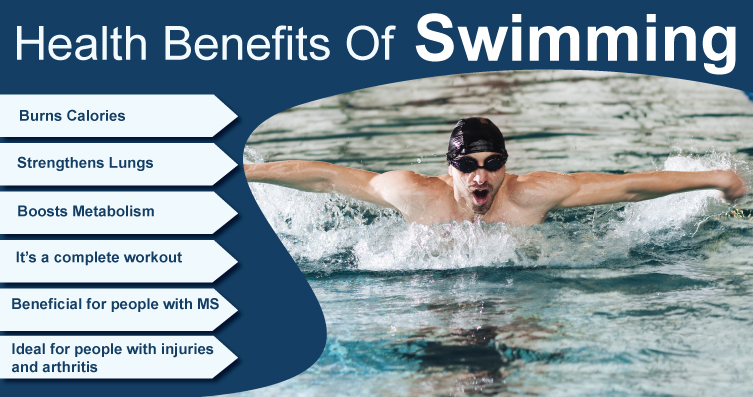
Health Is Wealth : Swimming is much more than a summertime pastime; it is a multifaceted activity that has numerous advantages for people of all ages. It includes the gentle water routines used in rehabilitation for older adults or those recovering from injuries, as well as the joyful splashes of children mastering floating and the rigorous training sessions of competitive athletes, demonstrating its widespread appeal and accessibility. This activity can be initiated at a young age and pursued well into later years, adapting effectively to individual needs and capabilities.
What distinguishes swimming is its extraordinary capacity to merge physical activity, mental tranquility, and emotional wellness within one practice. Serving as a full-body exercise, swimming activates the complete muscular system while enhancing strength, stamina, and flexibility, all without exerting excessive stress on the joints. This characteristic makes it particularly beneficial for individuals dealing with arthritis, joint discomfort, or other physical limitations. Concurrently, the consistent movements and rhythmic inhaling and exhaling associated with swimming foster a meditative atmosphere, alleviating stress and encouraging a tranquil, concentrated mindset. After a workout, participants frequently report feeling lighter, more relaxed, and mentally rejuvenated simply by being submerged in water. Additionally, swimming is an essential life skill. The ability to swim is essential for ensuring safety in an environment with widespread access to pools, oceans, and other bodies of water. Learning to swim can significantly reduce the risk of drowning, which remains a leading cause of accidental deaths, particularly among children. Swimming gives you more than just safety; it also opens up a lot of opportunities, like snorkeling, surfing, scuba diving, and other water sports, as well as the confidence to enjoy a day at the beach. Swimming, in the end, is more than just an exercise; it’s a lifelong skill. It fosters a sense of liberation and security, strengthens the body, calms the mind, and improves health. Whether pursued for fitness, rehabilitation, enjoyment, or survival, swimming possesses the capacity to change lives and should be welcomed by all, irrespective of age or skill.Health Is Wealth.