

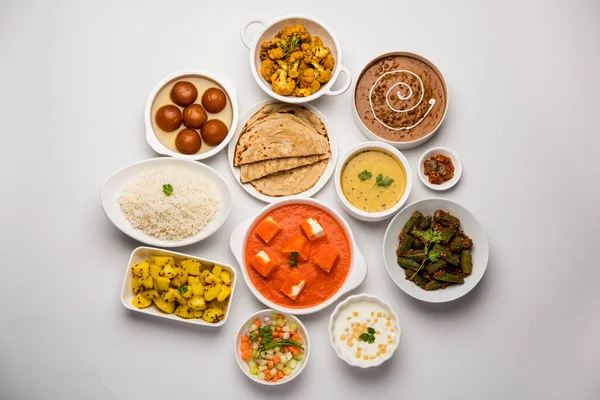
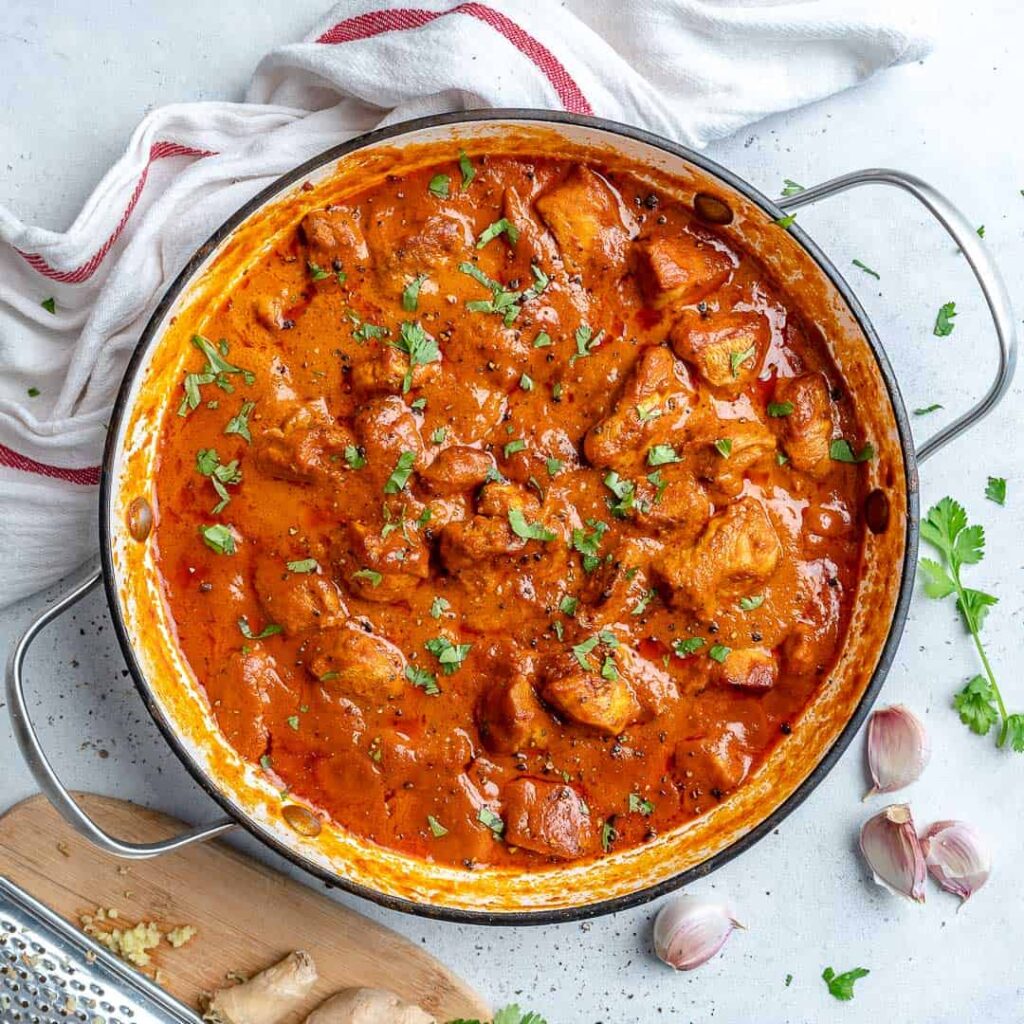
 All-Time Favorite Food To Taste: Butter Chicken (Murgh Makhani) – India’s Creamy Chicken Delight
 All-Time Favorite Food To Taste In India Introduction
Top All-Time Favorite Food To taste across India, from street snacks to traditional dishes, showcasing the country’s rich and diverse flavors. Butter Chicken, or Murgh Makhani, is one of India’s most iconic dishes. Originating in Delhi in the 1950s, it was created by chefs at Moti Mahal using leftover tandoori chicken in a rich, buttery tomato gravy. This dish quickly became a symbol of North Indian cuisine, loved for its creamy texture, mildly spiced flavor, and comforting aroma. Butter Chicken is a global favorite, served in homes and restaurants across the world.
 All-Time Favorite Food To Taste In India Cultural Significance
Butter Chicken represents culinary innovation in post-independence India. It transformed tandoori chicken into a creamy, indulgent dish that could be enjoyed by all. Today, it is synonymous with Indian fine dining, festive occasions, and family celebrations. Its popularity also showcases how North Indian cuisine combines simplicity, rich flavors, and universal appeal.
 Key Ingredients
Chicken – boneless or bone-in, marinated
Yogurt – tenderizes the chicken
Tomatoes – pureed to form the base of the gravy
Butter & Cream – provide richness and smooth texture
Ginger-Garlic Paste – for aromatic flavor
Spices – garam masala, chili powder, turmeric, coriander powder
Kasuri Methi (dried fenugreek leaves) – signature aroma
Salt & Sugar – to balance flavors
 Preparation Method
Marinate Chicken: Mix chicken with yogurt, ginger-garlic paste, chili powder, turmeric, and salt. Let it rest for 1–2 hours.
Cook Chicken: Grill, bake, or pan-sear the marinated chicken until partially cooked.
Prepare Gravy: Sauté ginger-garlic paste in butter, add pureed tomatoes and spices, and cook until oil separates.
Combine: Add chicken to the gravy and simmer until fully cooked.
Finish: Stir in cream, butter, and crushed kasuri methi for aroma and richness.
 Serving Suggestions
Serve hot with naan, roti, paratha, or steamed basmati rice.
Garnish with fresh coriander leaves and a drizzle of cream.
Accompany with pickled onions or cucumber salad to balance richness.
 Why Everyone Likes It
Rich & Creamy – indulgent texture and buttery flavor.
Tender Chicken – marination ensures juicy, soft pieces.
Balanced Flavor – mildly spiced, slightly sweet, aromatic.
Universal Appeal – loved by adults, children, vegetarians (with paneer variant), and global diners.
Comfort Food – perfect for special meals or cozy home dinners.
 Final Thought
Butter Chicken is more than a curry; it’s a culinary icon that blends North Indian tradition, modern richness, and worldwide appeal. Each bite tells the story of Delhi’s culinary innovation and India’s love for bold, comforting flavors.
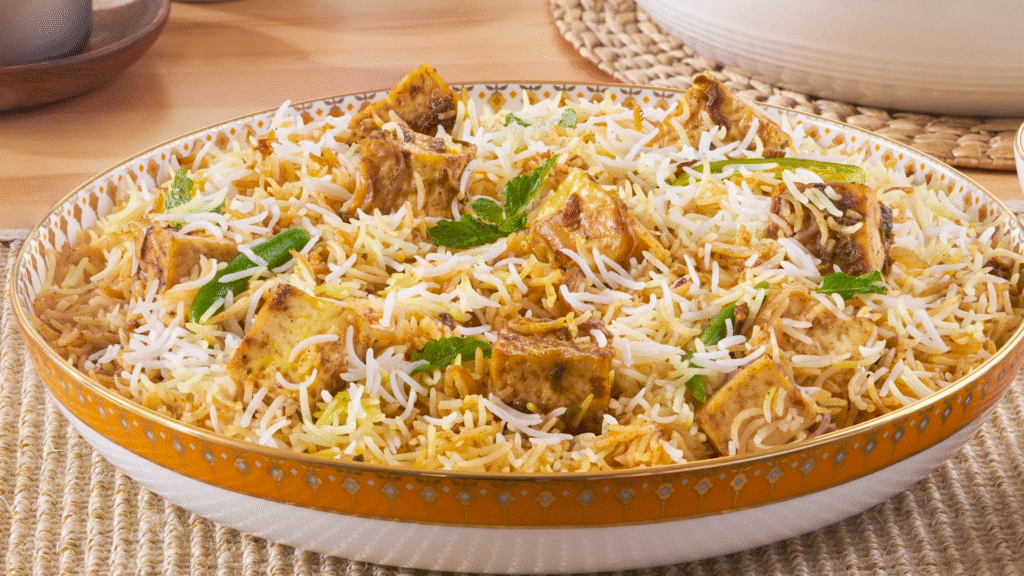
 All-Time Favorite Food To Taste In India : Biryani – India’s Royal Fragrant Rice Dish
📖 All-Time Favorite Food To Taste In India Introduction
Biryani is one of India’s most celebrated dishes, renowned for its aromatic rice, marinated meat, and rich spices. It is believed to have been introduced by the Mughals and has since evolved into several regional varieties, including Hyderabadi, Lucknowi (Awadhi), and Kolkata Biryani. Each version is unique: Hyderabadi Biryani is spicy and layered, Lucknowi Biryani is mild and fragrant, and Kolkata Biryani is known for its light flavor and use of potatoes. Biryani is a royal dish enjoyed during festivals, weddings, and special occasions.
🎭 Cultural Significance
Biryani reflects India’s rich culinary heritage, blending Persian cooking techniques with Indian spices and flavors. It is more than just a meal—it is a symbol of celebration, hospitality, and tradition. In Hyderabad, Biryani is considered a pride of the city, while in Lucknow and Kolkata, it represents the refinement of Nawabi cuisine.
🥦 Key Ingredients
Basmati Rice – long, fragrant grains
Meat – chicken, mutton, or beef (marinated with spices)
Yogurt – tenderizes the meat
Spices – cardamom, cloves, cinnamon, bay leaf, saffron, and garam masala
Onions – fried until golden (birista)
Fresh Herbs – mint and coriander leaves
Ghee / Oil – enhances aroma and richness
Potatoes – optional, especially in Kolkata Biryani
Lemon Juice – adds freshness
👩🍳 Preparation Method
Marinate Meat: Combine meat with yogurt, ginger-garlic paste, chili powder, turmeric, and spices. Let it marinate for several hours.
Cook Rice: Parboil basmati rice with whole spices until 70% cooked.
Layering: In a heavy-bottomed pot, layer meat and rice alternately, sprinkling fried onions, saffron milk, and herbs between layers.
Dum Cooking (Slow Cooking): Seal the pot with dough or a tight lid and cook on low heat so flavors meld.
Serve: Fluff the rice gently before serving to retain the distinct layers.
🍴 Serving Suggestions
Traditionally served with Mirchi ka Salan (spicy chili curry) and Bagara Baingan (eggplant curry) in Hyderabad.
Accompanied by raita (yogurt with cucumber and onion) to balance the spices.
Garnished with fried onions, boiled eggs, and fresh coriander.
❤️ Why Everyone Likes It
Aromatic & Flavorful – perfectly spiced, layered rice with tender meat.
Festive Appeal – a centerpiece for celebrations, weddings, and gatherings.
Variety – Hyderabadi, Lucknowi, and Kolkata versions cater to different spice preferences.
Rich & Comforting – hearty, satisfying, and indulgent.
Global Favorite – loved by Indians and international food enthusiasts alike.
🌟 Final Thought
Biryani is more than a dish—it’s a culinary experience. Each bite offers a balance of spice, aroma, and texture, making it a timeless favorite across India and the world. Whether served at a royal feast or a family gathering, Biryani symbolizes celebration, tradition, and India’s love for rich flavors.
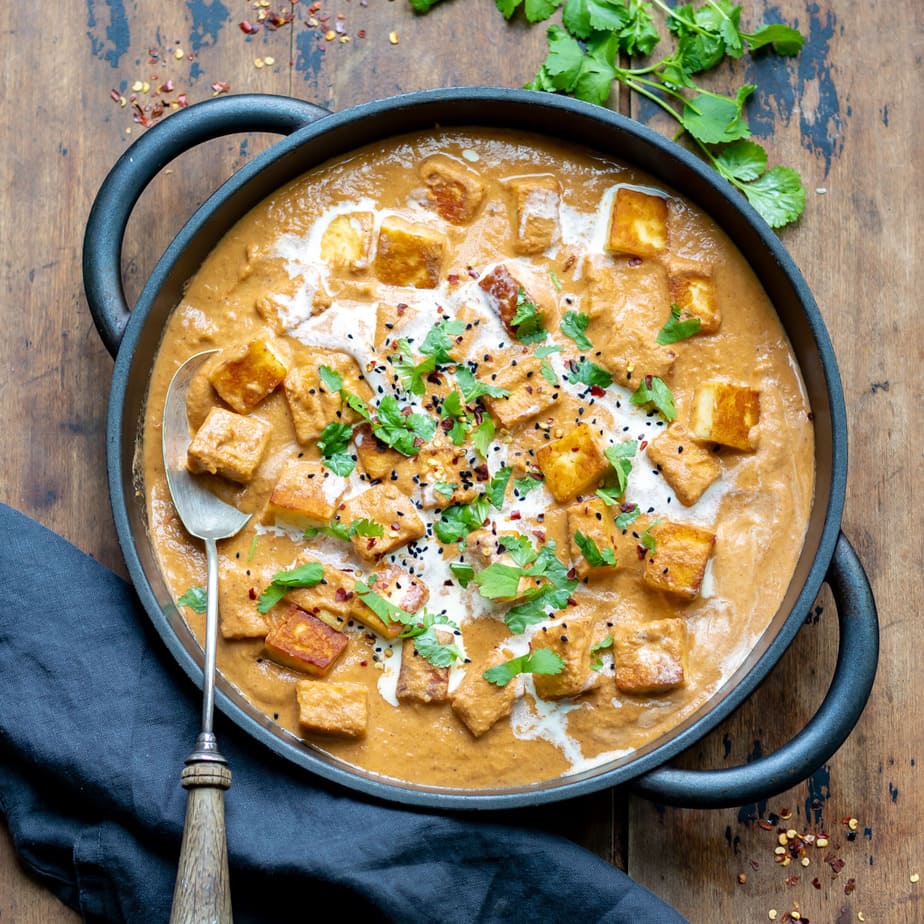
 All-Time Favorite Food To Taste In India Paneer Butter Masala – Creamy & Delicious Vegetarian Delight
📖 Introduction
Paneer Butter Masala is one of India’s most beloved vegetarian dishes. Originating in North India, this dish features soft paneer cubes simmered in a rich, creamy tomato-based gravy infused with butter, cream, and aromatic spices. Its mellow, mildly sweet, and buttery flavor makes it a favorite in Indian households and restaurants alike. Often paired with naan, roti, or rice, Paneer Butter Masala is the perfect combination of comfort, flavor, and elegance.
🎭 Cultural Significance
Paneer Butter Masala represents the richness of North Indian vegetarian cuisine. It is often served at festive occasions, weddings, and special dinners, showcasing the use of paneer as a versatile, protein-rich ingredient. The dish has gained global recognition, becoming a signature Indian restaurant item worldwide and a go-to vegetarian comfort food.All-Time Favorite Food To taste
🥦 Key Ingredients
Paneer – soft Indian cottage cheese cubes
Tomatoes – pureed to form the base of the gravy
Butter & Cream – provide richness and smooth texture
Ginger-Garlic Paste – for flavor
Spices – garam masala, chili powder, turmeric, coriander powder
Kasuri Methi (Dried Fenugreek Leaves) – adds signature aroma
Salt & Sugar – balances the flavors
Optional Nuts – cashews blended into gravy for extra creaminess All-Time Favorite Food To Taste
👩🍳 Preparation Method
Prepare Gravy: Sauté ginger-garlic paste in butter, add tomato puree, and cook until the oil separates.
Spice it Up: Add chili powder, turmeric, coriander powder, and a pinch of sugar.All-Time Favorite Food To Taste
Blend (Optional): For a smooth texture, blend the cooked tomato mixture with cashews.
Cook Paneer: Add paneer cubes to the gravy and simmer gently.
Finish: Stir in cream, butter, and crushed kasuri methi for aroma and richness.
🍴 Serving Suggestions
Serve hot with naan, roti, paratha, or steamed rice.
Garnish with fresh cream and coriander leaves.
Pairs well with plain dal or salad for a wholesome meal. All-Time Favorite Food To Taste
❤️ Why Everyone Likes It
Rich & Creamy – indulgent gravy with a perfect balance of spice.
Soft & Tender Paneer – melts in the mouth without overpowering the flavors.
Mild & Universal Flavor – loved by both adults and children.
Vegetarian Favorite – a protein-rich, hearty alternative to meat dishes.
Global Appeal – a must-try in Indian restaurants worldwide.
🌟 Final Thought
All-Time Favorite Food To Taste Paneer Butter Masala is more than just a curry; it’s a celebration of flavor and texture. Its creamy, buttery, and aromatic profile makes it an all-time favorite in Indian cuisine, perfect for festive meals, family dinners, or special occasions. Every bite embodies the comfort and richness of North Indian vegetarian cooking.
 All-Time Favorite Food To Taste In India : Rogan Josh – Aromatic & Rich Kashmiri Lamb Curry
📖 Introduction
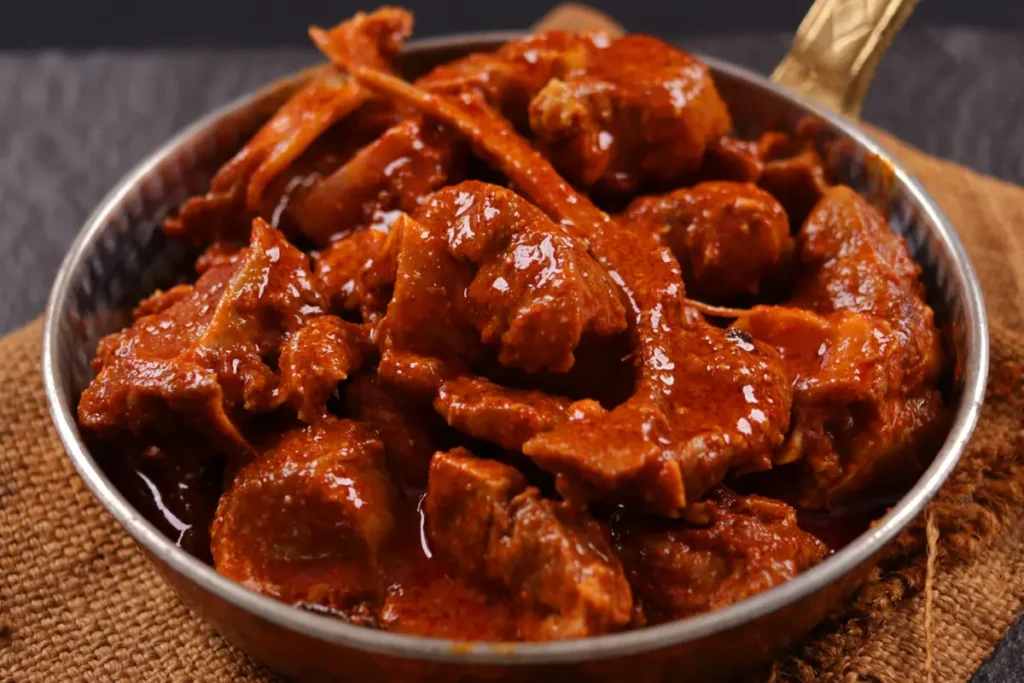
All-Time Favorite Food To Taste Rogan Josh is a signature dish from Kashmir, famous for its tender lamb cooked in a rich, aromatic curry. The name comes from Persian—“Rogan” meaning oil and “Josh” meaning heat or passion—highlighting the vibrant red color and intense flavors of the dish. Cooked with a blend of warm spices, yogurt, and ghee, Rogan Josh is a perfect example of North Indian Mughlai-Kashmiri cuisine, loved for its deep flavor, fragrance, and succulent meat.
🎭 Cultural Significance
Rogan Josh is central to Kashmiri culinary tradition, reflecting the region’s Mughal influences and local produce. It is often prepared during festivals, weddings, and special occasions, showcasing Kashmir’s rich spice heritage. The dish also emphasizes slow-cooked meat and balanced spices, a hallmark of Kashmiri cuisine that combines taste, aroma, and visual appeal.All-Time Favorite Food To Taste
🥦 Key Ingredients
Lamb / Mutton – bone-in pieces for richer flavor
Yogurt – tenderizes the meat and adds subtle tang
Ghee / Oil – for richness
Spices – Kashmiri chili powder (for vibrant red color), cardamom, cloves, cinnamon, fennel seeds, bay leaf
Ginger-Garlic Paste – aromatic base
Onions – finely sliced
Salt & Saffron (optional) – enhances color and aroma
👩🍳 All-Time Favorite Food To Make Preparation Method
Sauté Spices: Heat ghee or oil, add whole spices, and fry until fragrant.
Cook Onions & Paste: Add onions, ginger-garlic paste, and sauté until golden.
Add Meat: Brown the lamb pieces lightly.
Incorporate Yogurt & Spices: Mix in whisked yogurt and Kashmiri chili powder, stirring to coat the meat.
Simmer Slowly: Add water and cook on low heat until the lamb is tender and the gravy thickens.
Finish: Adjust seasoning, add saffron if desired, and garnish with fresh coriander.
🍴 Serving Suggestions
Serve hot with steamed basmati rice, naan, or roti.
Pairs wonderfully with kashmiri pulao or jeera rice.
Accompany with raita or salad to balance richness.
❤️ Why Everyone Likes It
Tender & Juicy Meat – slow-cooked for melt-in-the-mouth texture.
Aromatic & Flavorful – fragrant spices create a signature taste.
Rich & Comforting – creamy and hearty, ideal for special meals.
Visually Appealing – deep red gravy makes it enticing.
Cultural Icon – a dish that represents Kashmiri heritage and Mughlai richness.
🌟 Final Thought
All-Time Favorite Food To Taste Rogan Josh is more than just a curry; it’s a celebration of Kashmiri culinary artistry. Its aromatic spices, tender meat, and rich, vibrant gravy make it a timeless favorite for special occasions, family feasts, and anyone exploring the depth and richness of Indian cuisine.
 All-Time Favorite Food To Taste In India : Chole Bhature – Spicy Chickpeas with Fluffy Fried Bread
📖 Introduction
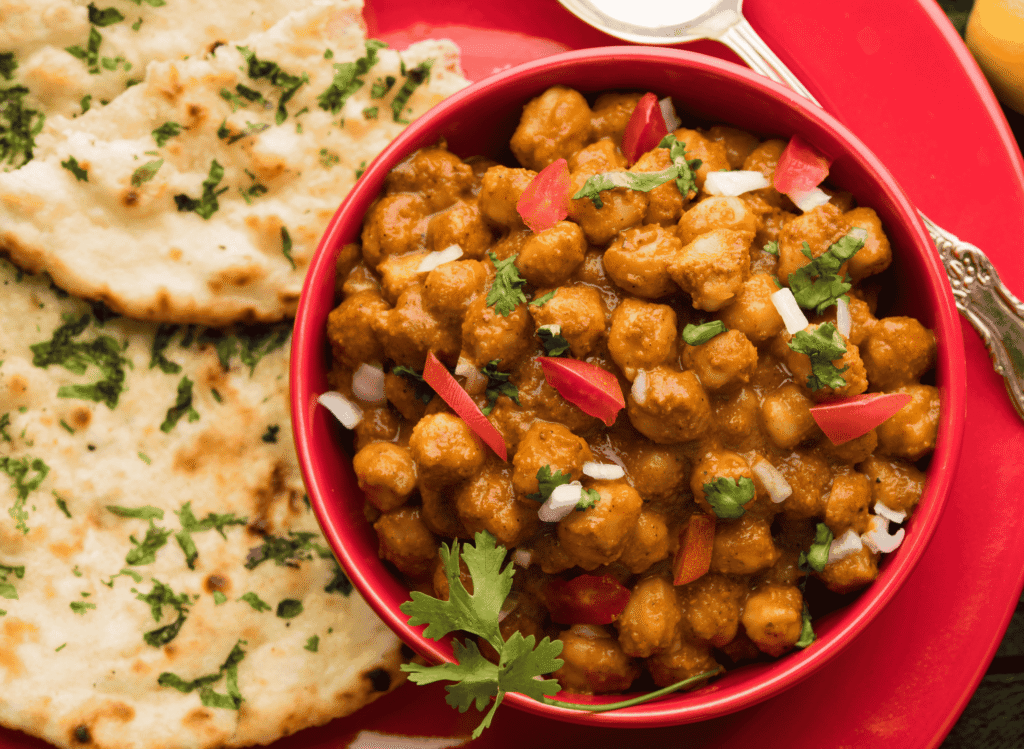
Chole Bhature is a classic North Indian dish loved for its spicy chickpea curry (chole) paired with deep-fried fluffy bread (bhature). Originating from Punjab, it has become a staple breakfast and street food across India. The dish perfectly balances heat, tanginess, and richness, making it a hearty and satisfying meal. Chole Bhature is commonly enjoyed in homes, street stalls, and restaurants alike, symbolizing comfort and indulgence in Indian cuisine.All-Time Favorite Food To Taste
🎭 All-Time Favorite Food To Taste Its Cultural Significance
Chole Bhature reflects Punjabi culinary traditions, emphasizing bold spices and generous cooking styles. It is often served during festivals, family gatherings, and weekend breakfasts, representing hospitality and celebration. Its popularity also highlights India’s street food culture, as it is widely enjoyed across cities and towns with regional variations in spice levels and accompaniments.All-Time Favorite Food To Taste
🥦 Key Ingredients
For Chole (Chickpea Curry):
Chickpeas (soaked overnight)
Tomatoes – pureed or chopped
Onions – finely chopped
Ginger-Garlic Paste – for flavor
Spices – cumin, coriander, turmeric, chili powder, garam masala, amchur (dry mango powder)
Fresh coriander – for garnish
For Bhature (Fried Bread):
All-purpose flour (maida)
Yogurt – for soft texture
Baking powder or yeast – for fluffiness
Salt & Sugar – for taste
Oil – for deep frying
👩🍳 Preparation Method
Chole (Chickpeas):
Soak chickpeas overnight and boil until tender.
Sauté onions, ginger-garlic paste, and tomatoes with spices.
Add boiled chickpeas and simmer, allowing the flavors to blend.
Finish with garam masala and garnish with fresh coriander.
Bhature:
Mix flour, yogurt, baking powder/yeast, salt, and sugar into a soft dough.
Let the dough rest for 1–2 hours.
Roll small portions into discs and deep-fry in hot oil until golden and puffed.
🍴 Serving Suggestions
Serve hot chole with freshly fried bhature.
Accompany with sliced onions, pickles, and green chilies.
Can also be paired with jeera rice or poori for variation.
❤️ Why Everyone Likes It
Bold & Flavorful – spicy, tangy chickpeas with aromatic spices.
Soft & Puffy Bhature – light, deep-fried bread that complements the curry.
Comfort Food – hearty and satisfying, perfect for any meal.
Versatile – enjoyed as breakfast, brunch, or street food snack.
Universally Loved – appeals to both locals and visitors exploring Indian cuisine.
🌟 Final Thought
All-Time Favorite Food To Taste Chole Bhature is more than just a meal; it’s an experience of North Indian flavor and culture. The combination of spicy chickpeas and fluffy fried bread makes it a timeless favorite, cherished across generations for its taste, aroma, and comforting presence on the dining table.
 All-Time Favorite Food To Taste Dhokla – Spongy and Tangy Gujarati Delight
📖 Introduction
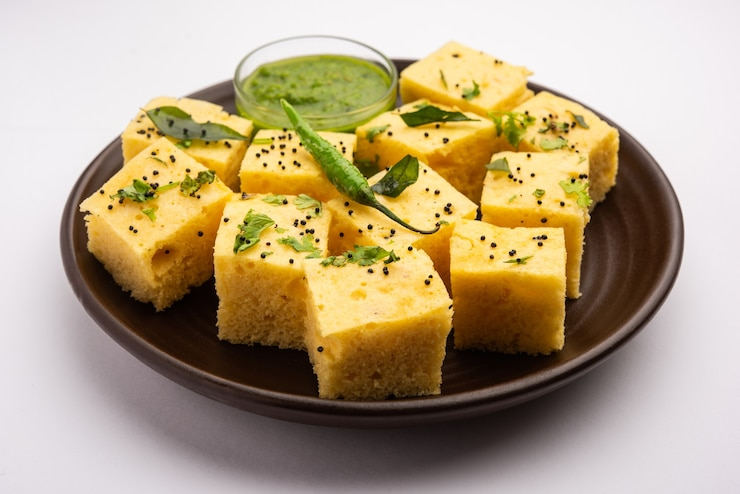
Dhokla is a steamed, spongy snack from Gujarat, made primarily from fermented gram flour (besan). Known for its light texture, tangy flavor, and soft sponginess, Dhokla is enjoyed as a breakfast, snack, or tea-time treat. Its subtle sourness, tempered by a tempering of mustard seeds, green chilies, and curry leaves, makes it refreshing and uniquely addictive.All-Time Favorite Food To Taste
🎭 Cultural Significance
Dhokla is a signature dish of Gujarati cuisine, often served during festivals, family gatherings, and special occasions. It reflects Gujarat’s culinary preference for light, healthy, and fermented foods. Dhokla is also offered as prasadam in some temples and is a symbol of hospitality and tradition in Gujarati households.All-Time Favorite Food To taste
🥦 Key Ingredients
Gram Flour (Besan) – the main base
Semolina (Rava / Suji) – optional, for texture
Yogurt or Water – for fermentation and batter consistency
Baking Soda / Eno Fruit Salt – helps batter rise and become fluffy
Turmeric – for color
Salt & Sugar – balance flavors
For Tempering (Tadka):
Mustard Seeds
Green Chilies
Curry Leaves
Coriander Leaves – for garnish
Lemon Juice – for tanginess
Oil – for tempering
👩🍳 Preparation Method
Prepare Batter: Mix gram flour, semolina, yogurt, turmeric, salt, and a little sugar into a smooth batter.All-Time Favorite Food To Taste
Leavening: Just before steaming, add baking soda or Eno to make the batter rise.
Steam: Pour batter into a greased tray or mold and steam for 15–20 minutes until spongy and cooked through.
Prepare Tempering: Heat oil, add mustard seeds, green chilies, and curry leaves; pour over the steamed dhokla.All-Time Favorite Food To Taste
Garnish: Sprinkle chopped coriander leaves and a squeeze of lemon juice for freshness.
🍴 Serving Suggestions
Serve warm or at room temperature.
Accompany with green chutney, sweet tamarind chutney, or tea.
Can be cut into squares or diamond shapes for presentation.
❤️ Why Everyone Likes It
Light & Healthy – steamed, not fried, perfect for guilt-free snacking.
Tangy & Flavorful – balanced sourness with aromatic tempering.
Soft & Spongy Texture – melts in the mouth.
Versatile – ideal for breakfast, snacks, or party platters.
Widely Loved – appeals to both kids and adults due to mild flavors.
🌟 Final Thought
Dhokla is more than just a snack; it’s a representation of Gujarati culinary finesse. Its soft, spongy texture, tangy flavor, and aromatic tempering make it a timeless favorite, perfect for festivals, family gatherings, or a healthy everyday treat.All-Time Favorite Food To Taste
 All-Time Favorite Food ToTaste Masala Dosa – Crispy Crepe with Spiced Potato Filling
📖 Introduction
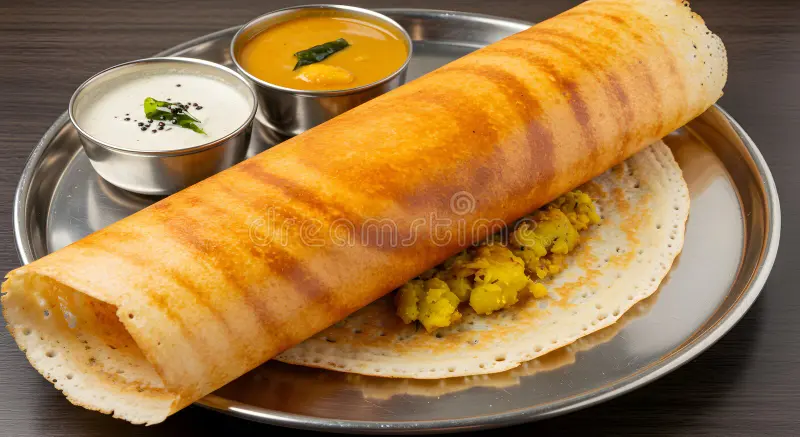
Masala Dosa is one of the most iconic South Indian dishes, loved not just in India but across the globe. It is a thin, crispy crepe made from fermented rice and lentil batter, filled with a flavorful potato masala. Traditionally served with sambar (a lentil-based vegetable stew) and chutneys, Masala Dosa strikes the perfect balance between crispy, tangy, spicy, and savory.All-Time Favorite Food To taste
🎭 Cultural Significance
Masala Dosa originated in Karnataka, particularly from the Udupi region, and has become a staple breakfast and dinner dish across South India. It reflects South Indian culinary traditions of fermentation, rice-lentil combinations, and spice balancing. Today, it’s not only a household favorite but also a global ambassador of Indian cuisine, often found in Indian restaurants worldwide.All-Time Favorite Food To Take
🥦 Key Ingredients
For Dosa Batter:
Rice (regular + parboiled rice)
Urad dal (black gram)
Fenugreek seeds (for fermentation)
Water (for grinding and fermenting)
Salt
For Potato Masala Filling:
Boiled potatoes
Onions (sliced)
Green chilies
Curry leaves
Mustard seeds
Turmeric powder
Ginger
Oil or ghee
Fresh coriander
Accompaniments:
Coconut chutney
Tomato chutney
Onion chutney
Sambar
👩🍳 Preparation Method
1. Batter:
Soak rice, urad dal, and fenugreek seeds for 6–8 hours.
Grind into a smooth paste and allow to ferment overnight until airy.
Add salt before making dosas.
2. Potato Masala:
Heat oil, add mustard seeds, curry leaves, green chilies, and onions.
Sauté until golden, then add turmeric and mashed boiled potatoes.
Mix well and finish with chopped coriander.
3. Making the Dosa:
Heat a flat tawa (griddle) and spread a ladle of batter into a thin circular crepe.
Drizzle with ghee or oil.
Place a spoonful of potato masala in the center and fold the dosa.
🍴 Serving Suggestions
Serve hot and crispy with sambar and a variety of chutneys.
Can be enjoyed plain or with extra ghee for richness.
Often paired with filter coffee for an authentic South Indian experience.
❤️ Why Everyone Likes It
Crispy & Light – dosa is thin yet satisfying.
Flavorful Filling – spiced potato adds comfort and heartiness.
Balanced Meal – carbs + protein (from urad dal) make it nutritious.
Versatile – can be stuffed with paneer, cheese, or even chicken for variations.
Globally Loved – one of the most famous Indian dishes worldwide.
🌟 Final Thought
Masala Dosa is not just food, it’s an experience of South Indian tradition. With its crispy crepe, flavorful potato filling, and soulful chutney-sambar pairing, it has earned a place in the hearts of millions as a comforting yet elegant dish. Whether eaten at a street-side stall or in a fine-dining restaurant, Masala Dosa never fails to impress.
🍚 Idli & Sambar – The Quintessential South Indian Comfort Food
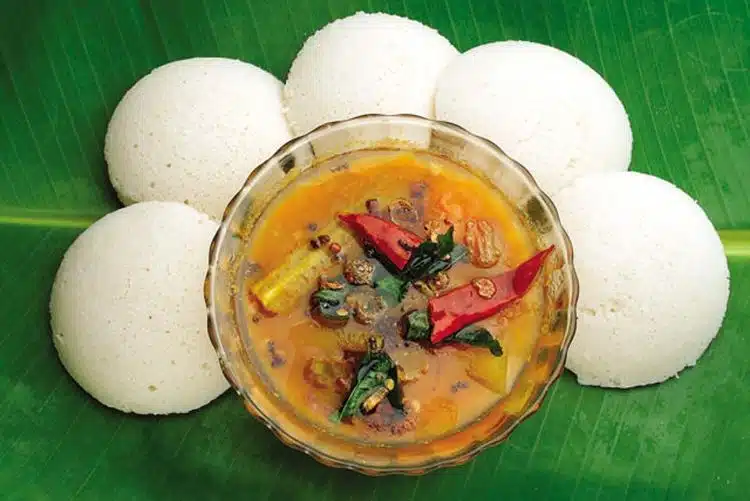
📖 Introduction
All-Time Favorite Food To Taste Idli & Sambar is one of the most beloved breakfast combinations in South India. Idli, a soft, fluffy steamed rice cake, is paired with sambar, a hearty lentil-based vegetable stew flavored with tamarind and spices. Light, wholesome, and highly nutritious, Idli-Sambar has become not only a daily staple in South Indian homes but also a favorite across India and abroad.
🎭 Cultural Significance
Idli is believed to have originated in Southern India around 1,000 years ago, with roots traced to the Karnataka and Tamil Nadu regions. It represents simplicity, purity, and balance in food, making it popular in both everyday meals and festive occasions. Sambar, on the other hand, has its origins in Tamil Nadu’s royal kitchens and has become a signature dish of South Indian cuisine.
Together, Idli & Sambar symbolize the soul of South Indian dining, often enjoyed with family, offered to guests, and served in temples as prasadam.
🥦 Key Ingredients
For Idli:
Parboiled rice
Urad dal (black gram)
Fenugreek seeds (for fermentation)
Water (for grinding and fermenting)
Salt
For Sambar:
Toor dal (pigeon peas)
Tamarind pulp
Vegetables (drumstick, pumpkin, brinjal, beans, carrots, okra)
Sambar powder (blend of roasted spices)
Mustard seeds
Curry leaves
Red chilies
Turmeric powder
Hing (asafoetida)
Oil / ghee
Accompaniments:
Coconut chutney
Tomato chutney
Coriander chutney
👩🍳 Preparation Method
1. Idli:
Soak rice, urad dal, and fenugreek seeds for 6–8 hours.
Grind separately and mix into a smooth batter.
Ferment overnight until airy and slightly sour.
Pour into idli molds and steam for 10–12 minutes until fluffy.
2. Sambar:
Pressure cook toor dal until soft and mash well.
Cook vegetables in tamarind water with turmeric and salt.
Add mashed dal and sambar powder; simmer for flavor.
Prepare tempering with mustard seeds, red chilies, curry leaves, and hing.
Pour over sambar and mix well.
🍴 Serving Suggestions
Place 2–3 idlis on a plate, ladle hot sambar over them, and garnish with coriander leaves.
Serve with fresh coconut chutney for balance.
Traditionally enjoyed with filter coffee for the perfect South Indian breakfast.
❤️ Why Everyone Likes It
Light & Healthy – steamed, oil-free idlis are easy to digest.
Comfort Food – soft idlis paired with tangy, spicy sambar are soothing yet flavorful.
Nutritious – combination of rice, lentils, and vegetables makes it a wholesome meal.
Versatile – loved by all age groups, from children to elders.
Global Recognition – considered one of the world’s healthiest breakfasts by many nutritionists.
🌟 Final Thought
Idli & Sambar is more than just food—it is a tradition, a memory, and a daily ritual in South Indian households. The soft, pillowy idlis soaked in aromatic sambar create a comforting harmony of flavors that has transcended regional boundaries to become a national and international favorite.
🍞 Pav Bhaji – The Street Food King of Mumbai
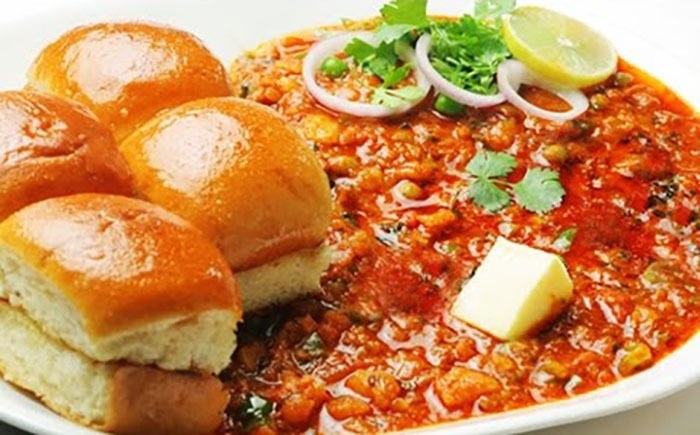
📖 Introduction
Pav Bhaji is one of the most iconic street foods of India, especially Mumbai. It consists of a spicy, buttery vegetable mash (bhaji) served with toasted bread rolls (pav). The dish is vibrant, flavorful, and indulgent, making it a favorite not only on the streets of Mumbai but across India and even worldwide. It’s the perfect comfort food for snack time, dinner, or late-night cravings.
🎭 Cultural Significance
All-Time Favorite Food To Taste Pav Bhaji traces its origins to the textile mills of Mumbai in the 1850s. Mill workers needed a quick, affordable, and filling meal, so street vendors created this dish by mashing leftover vegetables with spices and serving them with bread rolls instead of rice or roti for faster eating. Over time, it evolved into a street food sensation, now found in every corner of Mumbai—from roadside carts to fine-dining restaurants. Today, Pav Bhaji is not just food; it’s a cultural icon of Maharashtra’s cosmopolitan spirit.
🥦 Key Ingredients
For Bhaji (Vegetable Mash):
Potatoes (base vegetable)
Cauliflower
Green peas
Capsicum
Tomatoes
Onions
Ginger-garlic paste
Pav Bhaji masala (special spice mix)
Red chili powder, turmeric, salt
Butter (generous amounts for richness)
Lemon juice
Fresh coriander leaves
For Pav (Bread):
Soft bread rolls
Butter
A pinch of Pav Bhaji masala (to toast)
👩🍳 Preparation Method
Cook Vegetables: Boil potatoes, peas, and cauliflower until soft, then mash them.
Prepare Base: In butter, sauté onions, capsicum, and ginger-garlic paste until aromatic. Add chopped tomatoes and cook till mushy.
Add Spices: Mix in pav bhaji masala, red chili powder, turmeric, and salt.
Mash & Mix: Add boiled vegetables, mash everything together, and cook until well-blended and thick. Add water if needed for consistency.
Finish: Top with a cube of butter and garnish with coriander leaves.
Toast Pav: Cut pav horizontally, apply butter and pav bhaji masala, and toast until golden.
🍴 Serving Suggestions
Serve hot bhaji topped with butter, accompanied by buttered pav.
Garnish with onions, lemon wedges, and fresh coriander.
For a twist, try cheese pav bhaji, jain pav bhaji (without onion/garlic), or khada pav bhaji (with chunky vegetables).
Best enjoyed with a cold glass of buttermilk (chaas) or soda.
❤️ Why Everyone Likes It
Deliciously indulgent – the butter and spice combo makes it irresistible.
Street food charm – reminds everyone of Mumbai’s vibrant nightlife and roadside stalls.
Comfort food – hearty, filling, and satisfying.
Customizable – can be made spicy, mild, cheesy, or even healthy.
Family favorite – loved equally by kids and adults.
🌟 Final Thought
Pav Bhaji is not just a dish but an experience. The sizzling sound of pav on the tawa, the aroma of buttery bhaji, and the tangy crunch of onions create a symphony of flavors that represent Mumbai’s soul. Whether you’re enjoying it at a street stall or making it at home, Pav Bhaji is the ultimate comfort food that brings people together.
🫘 Dal Makhani – The Soulful Creamy Lentil Curry of India
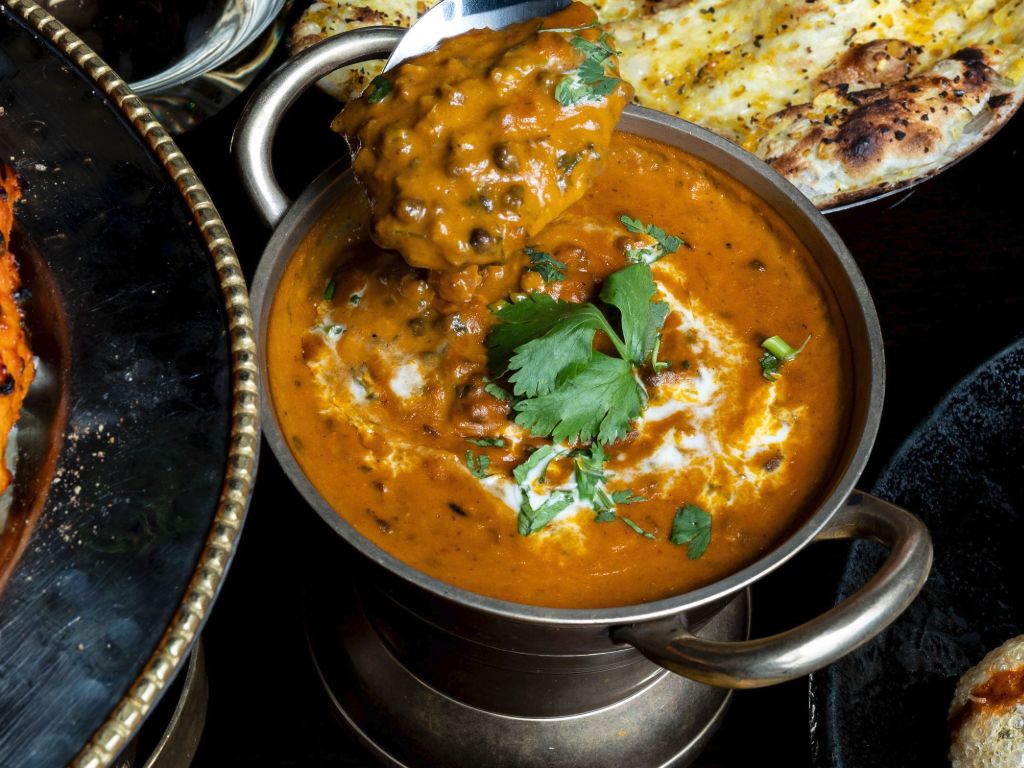
📖 Introduction
Dal Makhani is one of India’s most iconic dishes, a rich and velvety lentil curry that has won hearts across the globe. Made with whole black lentils (urad dal) and red kidney beans (rajma), slow-cooked with butter, cream, and spices, this dish is the perfect balance of earthy flavors and indulgent richness. Originating from Punjab, it has become a restaurant favorite and festive delicacy that defines North Indian comfort food.
🎭 Cultural Significance
All-Time Favorite Food To Taste Dal Makhani is not just a dish—it’s an emotion in Punjabi households. Traditionally cooked overnight in clay pots over wood fires, it reflects the slow-food culture of Punjab. Every Punjabi celebration, from weddings and festivals to family gatherings, is incomplete without a serving of Dal Makhani. Today, it’s a star dish in Indian restaurants worldwide, showcasing the richness and warmth of Indian cuisine.
🥦 Key Ingredients
Whole Black Lentils (Urad Dal) – hearty base
Red Kidney Beans (Rajma) – adds body and depth
Onion, Tomato & Ginger-Garlic Paste – aromatic masala base
Butter & Fresh Cream – hallmark of its creamy flavor
Spices – cumin, bay leaf, garam masala, red chili powder, turmeric, coriander powder
Kasuri Methi (dried fenugreek leaves) – for a smoky, earthy touch
Fresh Coriander & Lemon – garnish for freshness
👩🍳 Preparation Method
Soak & Cook – Soak urad dal and rajma overnight. Pressure cook until soft.
Masala Base – Sauté onions, ginger-garlic paste, and tomatoes with butter until golden.
Combine & Simmer – Add cooked lentils, rajma, and spices to the masala. Simmer slowly for 2–4 hours, stirring occasionally.
Creamy Finish – Stir in cream, butter, and kasuri methi for that signature flavor.
Smoky Twist (Optional) – For authentic taste, place hot charcoal in a small bowl inside the dal pot, drizzle with ghee, cover for 5 minutes—infusing a smoky aroma.
🍴 Serving Suggestions
Best paired with naan, butter roti, or jeera rice.
Add a dollop of butter on top for restaurant-style indulgence.
Complement with pickled onions, papad, or salad for a balanced meal.
A must-have dish in North Indian thalis and buffets.
❤️ Why Everyone Likes It
Luxuriously Creamy – smooth, buttery, and indulgent.
Slow-Cooked Depth – flavors intensify with every simmering hour.
Comforting & Filling – perfect for both everyday meals and celebrations.
Universal Appeal – equally loved by Indians and international foodies.
Classic Status – it’s the ultimate North Indian curry experience.
🌟 Final Thought
Dal Makhani is the crown jewel of North Indian cuisine, a dish that unites people with its richness, warmth, and timeless appeal. Whether enjoyed at home on a cozy evening or served at a grand wedding feast, its silky texture and smoky aroma make it unforgettable. Truly, Dal Makhani is not just a curry—it’s heritage served in a bowl.
🐟 Goan Fish Curry – A Coastal Symphony of Flavors
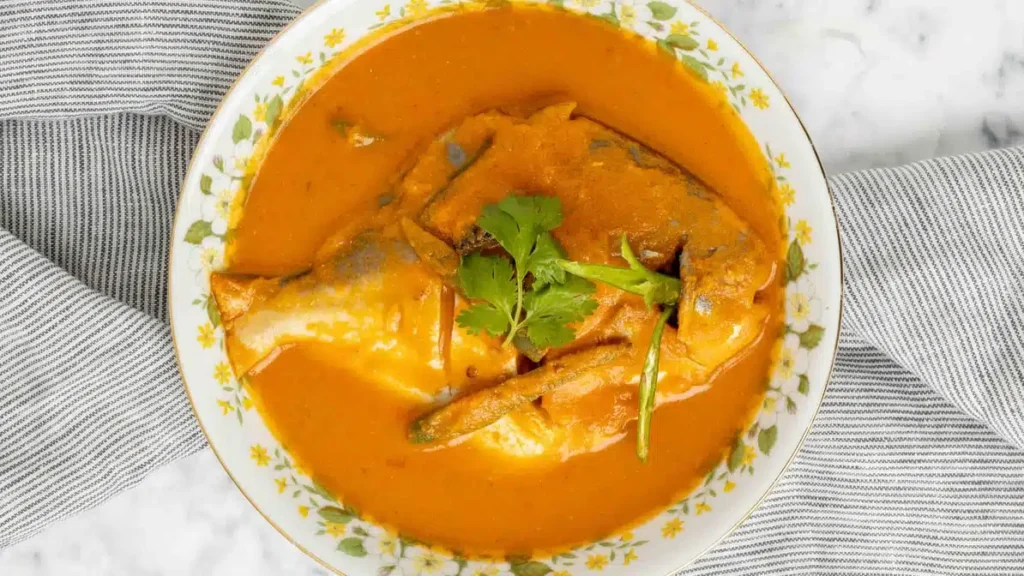
📖 Introduction
Goan Fish Curry, locally known as Xitti Kodi, is a signature dish of Goa that beautifully blends the essence of the coast—fresh fish, coconut, tamarind, and aromatic spices. This curry is tangy, spicy, and deeply flavorful, often enjoyed with steamed rice. Its unique taste comes from the combination of roasted spices and creamy coconut milk, reflecting Goa’s rich cultural fusion of Indian and Portuguese influences.
🎭 Cultural Significance
In Goa, fish is not just food—it’s a way of life. Surrounded by the Arabian Sea, the region thrives on seafood, and fish curry is prepared almost daily in Goan households. Traditionally served as part of a Goan thali, this curry represents the soul of coastal cuisine. With Goa’s history of Portuguese colonization, the dish also carries a blend of European techniques and Indian spices, making it globally beloved.
🥦 Key Ingredients
Fresh Fish – kingfish, pomfret, mackerel, or prawns are most common
Coconut Milk / Fresh Coconut Paste – creamy base
Tamarind or Kokum – adds tangy flavor
Onion, Tomato & Garlic – foundational masala base
Green Chilies & Red Chilies – provide heat
Spices – coriander seeds, cumin, turmeric, black pepper, mustard seeds
Fresh Curry Leaves & Coriander – for aroma and garnish
Oil (often coconut oil) – authentic Goan flavor
👩🍳 Preparation Method
Marinate Fish – clean and marinate fish pieces with turmeric, salt, and lemon juice.
Prepare Masala Paste – grind coconut, roasted red chilies, tamarind, coriander seeds, and cumin into a smooth paste.
Cook the Base – sauté onions, tomatoes, and garlic in coconut oil. Add the ground paste and cook until fragrant.
Simmer with Coconut Milk – add water or thin coconut milk, bring to a gentle boil.
Add Fish – slide in marinated fish pieces, cook on low heat until just done.
Final Touch – garnish with curry leaves and fresh coriander, and finish with a swirl of thick coconut milk.
🍴 Serving Suggestions
Traditionally paired with steamed white rice.
Can also be enjoyed with Goan pav (local bread) or appams.
Complement with fried fish or prawn rava fry for a wholesome coastal meal.
A glass of sol kadhi (kokum and coconut drink) makes the perfect companion.
❤️ Why Everyone Likes It
Burst of Coastal Flavors – tangy, spicy, and coconutty.
Fresh & Fragrant – made with freshly caught fish and local spices.
Comfort Food – every Goan grows up on this dish, making it nostalgic.
Healthy & Light – coconut milk base with lean fish protein.
Exotic yet Homely – appeals to both local palates and international travelers.
🌟 Final Thought
Goan Fish Curry is not just a dish but an experience of Goa’s soul. It represents the sun, sea, and spice of coastal India, bringing together the freshness of the ocean and the richness of local traditions. With every bite, it carries the warmth of Goan hospitality and the essence of a seaside paradise. A true treasure of Indian cuisine that’s loved far beyond its homeland.
🥣 Hyderabadi Haleem – The Royal Slow-Cooked Delight
📖 Introduction
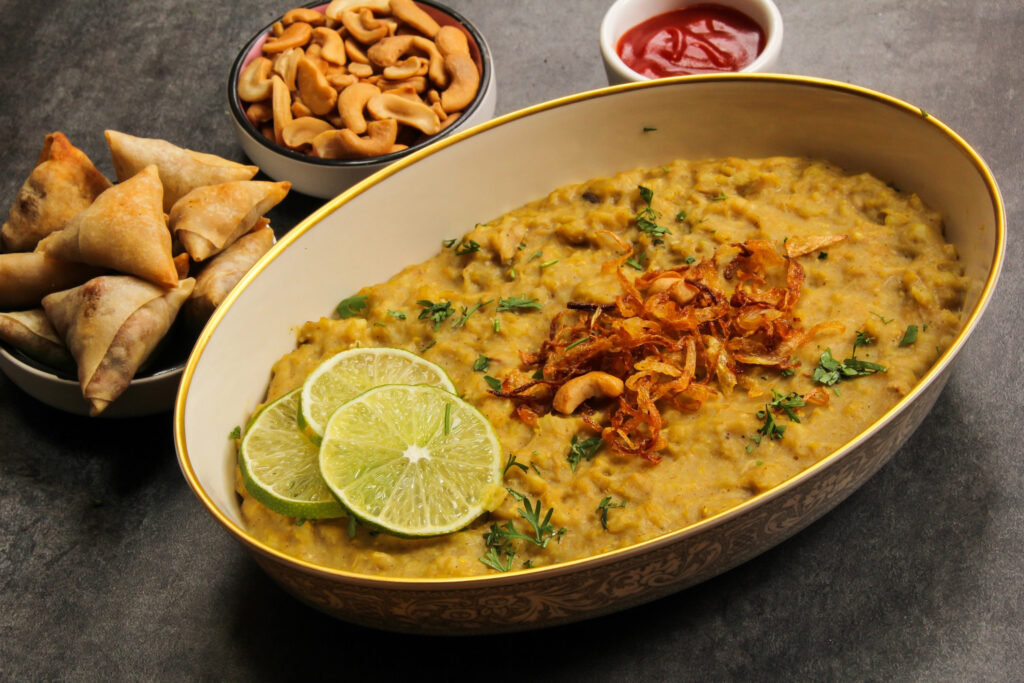
Hyderabadi Haleem is a world-famous dish that combines wheat, lentils, ghee, and meat (usually mutton or chicken) slow-cooked for hours until it turns into a rich, creamy, porridge-like delicacy. Originating from the Middle East, Haleem was brought to India during the Mughal era and perfected in the royal kitchens of the Nizams of Hyderabad. Today, it is one of the most celebrated dishes of Hyderabad, especially during Ramadan.
🎭 Cultural Significance
Haleem holds a special place in Hyderabadi culture. Traditionally, it is a dish prepared during Ramadan (the holy fasting month), served to break the fast at iftar. Its high nutritional value (protein from meat, energy from wheat, and healthy fats from ghee) makes it perfect for restoring strength after a day of fasting. In Hyderabad, it is not just food—it’s a festival in itself. Restaurants and street vendors serve it in huge cauldrons, drawing massive crowds. In fact, Hyderabadi Haleem has earned a GI Tag (Geographical Indication), recognizing it as a dish unique to Hyderabad.
🥦 Key Ingredients
Meat – Mutton (goat) is most authentic; chicken is also popular.
Wheat & Barley – the grainy base of the dish.
Lentils – chana dal, urad dal, and masoor dal add body and nutrition.
Ghee – for richness and flavor.
Spices – cinnamon, cardamom, cloves, pepper, bay leaf.
Onions – fried golden brown for garnishing.
Ginger & Garlic – for depth of flavor.
Fresh Herbs – coriander, mint, and green chilies.
Lemon wedges – served on the side for tang.
👩🍳 Preparation Method
Soak & Boil Grains – wheat and lentils are soaked and boiled until soft.
Cook Meat – mutton is slow-cooked with spices until tender.
Mash Together – the meat, lentils, and wheat are blended into a thick, smooth paste.
Slow Cooking – everything is simmered for 6–8 hours on a low flame with constant stirring, ensuring a creamy, melt-in-the-mouth texture.
Finish with Tadka – topped with ghee, fried onions, cashews, and herbs before serving.
🍴 Serving Suggestions
Best enjoyed hot in earthen pots or bowls, garnished with fried onions, cashews, mint, and a squeeze of lemon.
Traditionally eaten with naan, sheermal, or roomali roti.
Often served with a side of boiled egg for extra richness.
During Ramadan, it’s paired with Rooh Afza or lassi.
❤️ Why Everyone Loves It
Slow-Cooked Goodness – the long cooking process makes it creamy and flavorful.
Nutritious & Filling – packed with proteins, carbs, and healthy fats.
Unique Taste – a mix of savory, spicy, and slightly tangy flavors.
Cultural Connection – synonymous with Hyderabad’s food identity.
Festive Vibes – eating Haleem during Ramadan feels like a celebration.
🌟 Final Thought
Hyderabadi Haleem is not just a dish—it’s an emotion, tradition, and legacy of Hyderabad. Every spoonful tells a story of royal kitchens, festive gatherings, and the city’s culinary pride. Whether you enjoy it at home, a local street stall, or a famous restaurant in Hyderabad, Haleem is a dish that warms your soul and fills your heart.
🥗 Pani Puri / Golgappa – India’s Most Loved Street Food
📖 Introduction
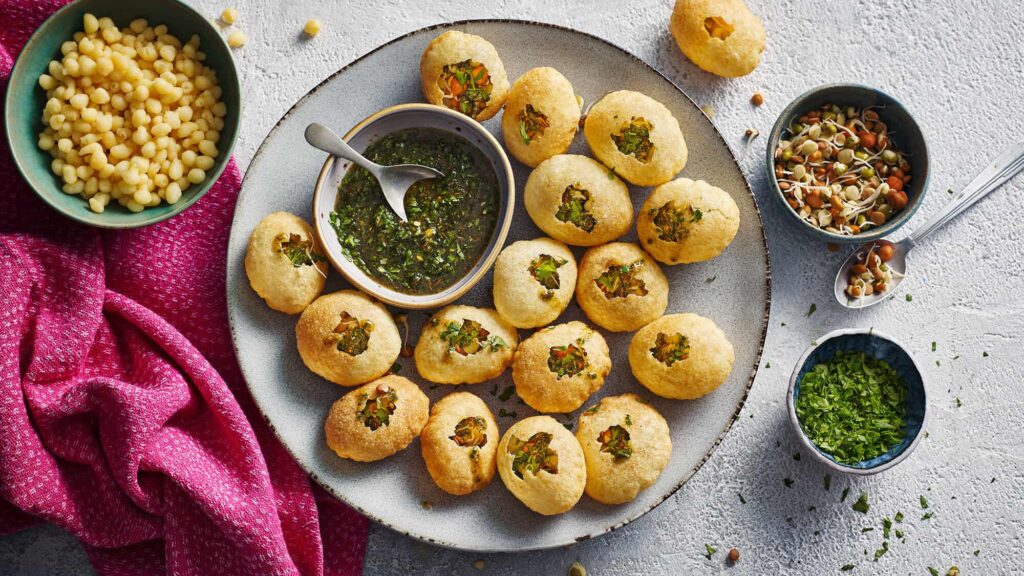
Pani Puri, also known as Golgappa, Phuchka, or Puchka depending on the region, is the ultimate Indian street food experience. This delightful snack is a combination of crispy hollow puris filled with spicy, tangy water, mashed potatoes, chickpeas, and chutneys. One bite releases an explosion of flavors—sweet, sour, spicy, and tangy all at once. From the streets of Mumbai to the bylanes of Delhi and the beaches of Kolkata, Pani Puri is not just food—it’s an emotion that unites India.
🎭 Cultural Significance
All-Time Favorite Food To Take Pani Puri is more than a snack; it’s a social and cultural ritual. Friends and families gather around street vendors, waiting eagerly for their turn as the vendor skillfully fills each puri and hands it out one by one. In India, eating Pani Puri is often a fun competition—who can eat the most without stopping? It’s also a dish that transcends barriers—rich or poor, young or old, everyone shares the same joy of having Pani Puri. Its popularity makes it a symbol of India’s vibrant street food culture.
🥦 Key Ingredients
Puris – Small, round, deep-fried crispy shells made from semolina or wheat.
Stuffing – A mix of mashed potatoes, boiled chickpeas, onions, or sprouts.
Spiced Water (Pani) – Flavored with mint, coriander, tamarind, green chilies, cumin, and black salt.
Sweet Chutney – Made from tamarind and jaggery for balance.
Garnish – Coriander, sev (crispy chickpea noodles), or boondi.
👩🍳 Preparation Method
Prepare Puris – Dough is rolled into small discs and deep-fried until puffed and crispy.
Make Spiced Water – Blend mint, coriander, green chili, cumin, and tamarind into tangy flavored water.
Create Filling – Mix mashed potatoes, chickpeas, onions, and spices.
Assemble – Crack open the top of each puri, stuff it with filling, dip it into the flavored water, and serve immediately.
🍴 Serving Suggestions
Best served fresh on the spot because puris lose crispiness quickly.
Street vendors usually serve them one by one, making the experience interactive.
Can be paired with boondi raita or dahi puri as a variation.
Some regions serve different flavors of pani (spicy, sweet, tangy, garlic, or jeera water).
❤️ Why Everyone Loves It
Burst of Flavors – Every bite is a mix of spicy, tangy, sweet, and crunchy.
Affordable & Accessible – A favorite of everyone, regardless of age or class.
Social Experience – Eating pani puri with friends and family is full of laughter and fun.
Regional Variations – Golgappa in Delhi, Phuchka in Bengal, Pani Puri in Mumbai—all have their own unique twists.
Addictive – You can never stop at just one; it’s always “one more, please!”
🌟 Final Thought
Pani Puri is more than just a snack—it’s an icon of Indian street food. Every region has its unique version, yet the joy it brings is universal. Whether you call it Golgappa, Puchka, or Pani Puri, one thing is certain: the crispy puri filled with tangy water and spicy stuffing will always remain India’s most loved and addictive street food.
🍯 Jalebi – The Golden, Syrupy Delight of India
📖 Introduction
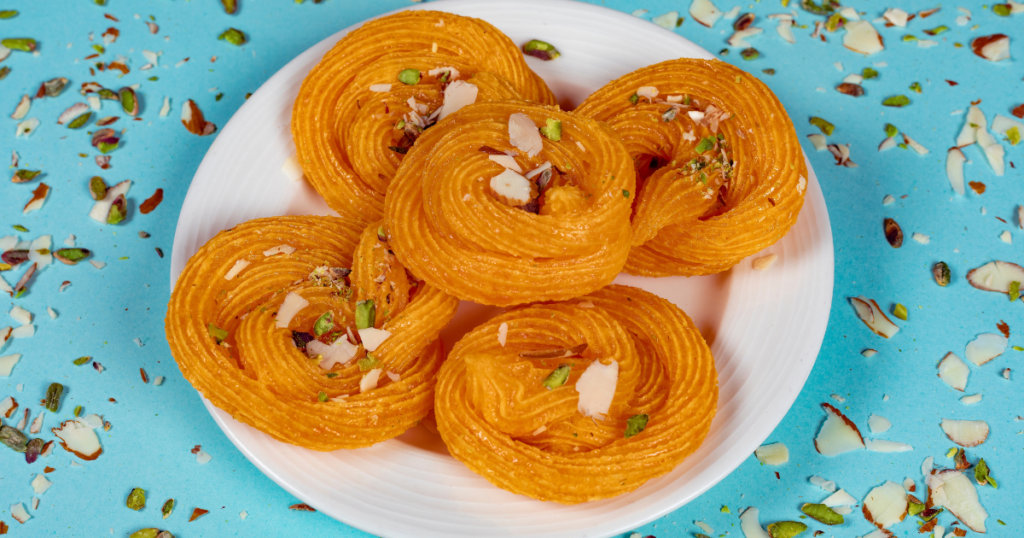
All-Time Favorite Food To Taste Jalebi is one of the most beloved and recognizable sweets of India. These golden, crispy spirals soaked in sugar syrup are not just desserts—they’re a celebration of sweetness, tradition, and nostalgia. Whether enjoyed hot and fresh from a street-side stall or served with creamy rabri at festive feasts, Jalebi is a dish that instantly brings joy. Its unique texture—crispy outside yet syrupy and juicy inside—makes it an irresistible indulgence that has stood the test of time.
🎭 Cultural Significance
Jalebi holds a special place in Indian culture. It is a staple during festivals such as Diwali, Holi, Eid, and weddings, symbolizing sweetness and prosperity. In many parts of India, having hot jalebis with milk in the morning is a tradition. In Uttar Pradesh and Madhya Pradesh, Jalebi is often paired with poha for breakfast, while in Rajasthan and Gujarat, it is savored with farsan (savory snacks). Beyond India, Jalebi (or its variants like Zalabiya/Zulbia) is popular in the Middle East and Africa, showing its global cultural journey.
🥣 Key Ingredients
All-Purpose Flour (Maida) – The base for the batter.
Yogurt – For slight fermentation and tanginess.
Baking Soda – To make the batter airy and light.
Sugar Syrup – Made with sugar, water, saffron, and cardamom.
Ghee or Oil – For frying.
👩🍳 Preparation Method
Prepare Batter – Mix flour, yogurt, and water into a smooth batter and allow it to ferment for a few hours.
Make Sugar Syrup – Boil sugar and water with saffron and cardamom until it reaches one-string consistency.
Frying Jalebis – The fermented batter is poured in spiral shapes into hot ghee or oil using a piping bag or cloth.
Soaking – Once crisp and golden, jalebis are dipped immediately in warm sugar syrup to soak up the sweetness.
🍴 Serving Suggestions
Enjoyed hot and fresh for the best taste.
Can be served with rabri (sweet condensed milk) for a richer experience.
Popular as a breakfast dish with poha in Madhya Pradesh or with warm milk in North India.
Served as a festive dessert during weddings, pujas, and celebrations.
❤️ Why Everyone Loves It
Crunchy yet Juicy – The double texture makes it a unique sweet.
Festive Favorite – Brings instant joy during celebrations.
Versatile – Can be eaten as breakfast, dessert, or snack.
Nostalgic Value – Reminds people of childhood fairs, bazaars, and sweet shops.
Universal Appeal – Loved by all ages and enjoyed across countries.
🌟 Final Thought
Jalebi is not just a dessert—it’s a timeless tradition of sweetness. From busy Indian streets to grand festive feasts, its golden spirals symbolize happiness, togetherness, and indulgence. The crispy bite followed by the gush of warm syrup is an experience that never fails to delight. Truly, Jalebi is India’s sweetest celebration in a spiral.
🍬 Gulab Jamun – India’s Beloved Sweet Dumplings
📖 Introduction
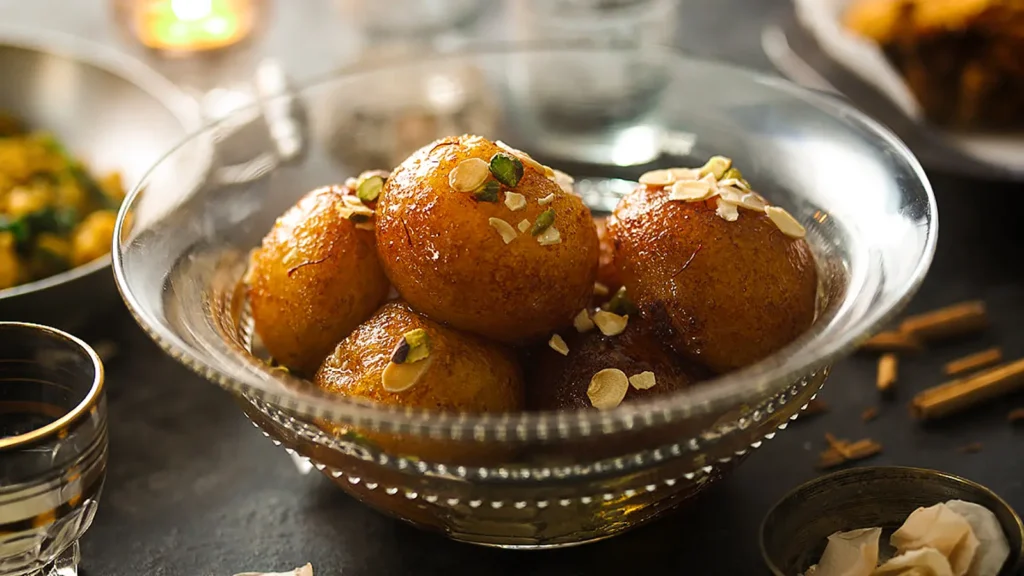
Gulab Jamun is the undisputed king of Indian sweets. Soft, melt-in-the-mouth dumplings soaked in fragrant sugar syrup, this dessert is a staple at festivals, weddings, and celebrations across India. Its name itself is poetic—“Gulab” means rose (referring to the rose-scented syrup), and “Jamun” is a fruit whose shape and color the sweet resembles. With its rich taste and heartwarming sweetness, Gulab Jamun isn’t just food—it’s an emotion for millions.
🎭 Cultural Significance
All-Time Favorite Food To taste Gulab Jamun is the centerpiece of Indian celebrations. From birthdays to Diwali, Holi, Raksha Bandhan, and Eid, no festival is complete without this delicacy. In weddings, it often features as the star dessert. Its popularity isn’t limited to India—variations of Gulab Jamun are enjoyed in Nepal, Pakistan, Bangladesh, Sri Lanka, and even the Middle East. The sweet embodies togetherness, love, and hospitality, making it more than just a dessert—it’s a tradition.
🥣 Key Ingredients
Khoya (Mawa) – Reduced milk solids, the base of authentic Gulab Jamun.
All-Purpose Flour (Maida) – To bind the dough.
Milk or Cream – For kneading soft dough.
Ghee or Oil – For frying.
Sugar Syrup – Infused with rose water, saffron, and cardamom for fragrance.
👩🍳 Preparation Method
Make the Dough – Mix khoya, a little maida, and milk to form a smooth, soft dough.
Shape the Balls – Roll into small, crack-free, round dumplings.
Fry Gently – Deep-fry in ghee or oil on a low flame until golden brown (slow cooking ensures softness).
Soak in Syrup – Immediately immerse the fried balls in warm sugar syrup flavored with rose water, saffron, and cardamom.
Rest and Serve – Allow the Gulab Jamuns to soak for a few hours to absorb all the sweetness.
🍴 Serving Suggestions
Best enjoyed warm, straight from the syrup.
Can be paired with vanilla ice cream for a modern twist.
Often served with rabri (thickened sweet milk) for added richness.
Perfect dessert for festive thalis and wedding feasts.
❤️ Why Everyone Loves It
Soft & Spongy – A bite melts instantly in the mouth.
Fragrant & Sweet – The rose-cardamom syrup elevates its flavor.
Versatile – Works as a dessert after meals, during festivals, or just as a sweet treat.
Universal Appeal – Loved by all age groups and across borders.
Comfort Food – One sweet that never fails to bring happiness.
🌟 Final Thought
Gulab Jamun is not just India’s favorite sweet—it is a symbol of joy, love, and celebration. Its soft texture, golden beauty, and irresistible sweetness make it a dessert that transcends time and trends. Whether enjoyed alone, with family, or served to guests, Gulab Jamun is the ultimate indulgence that defines Indian hospitality and festivity. Truly, it is the heart and soul of Indian mithai (sweets).
Leave a Reply