

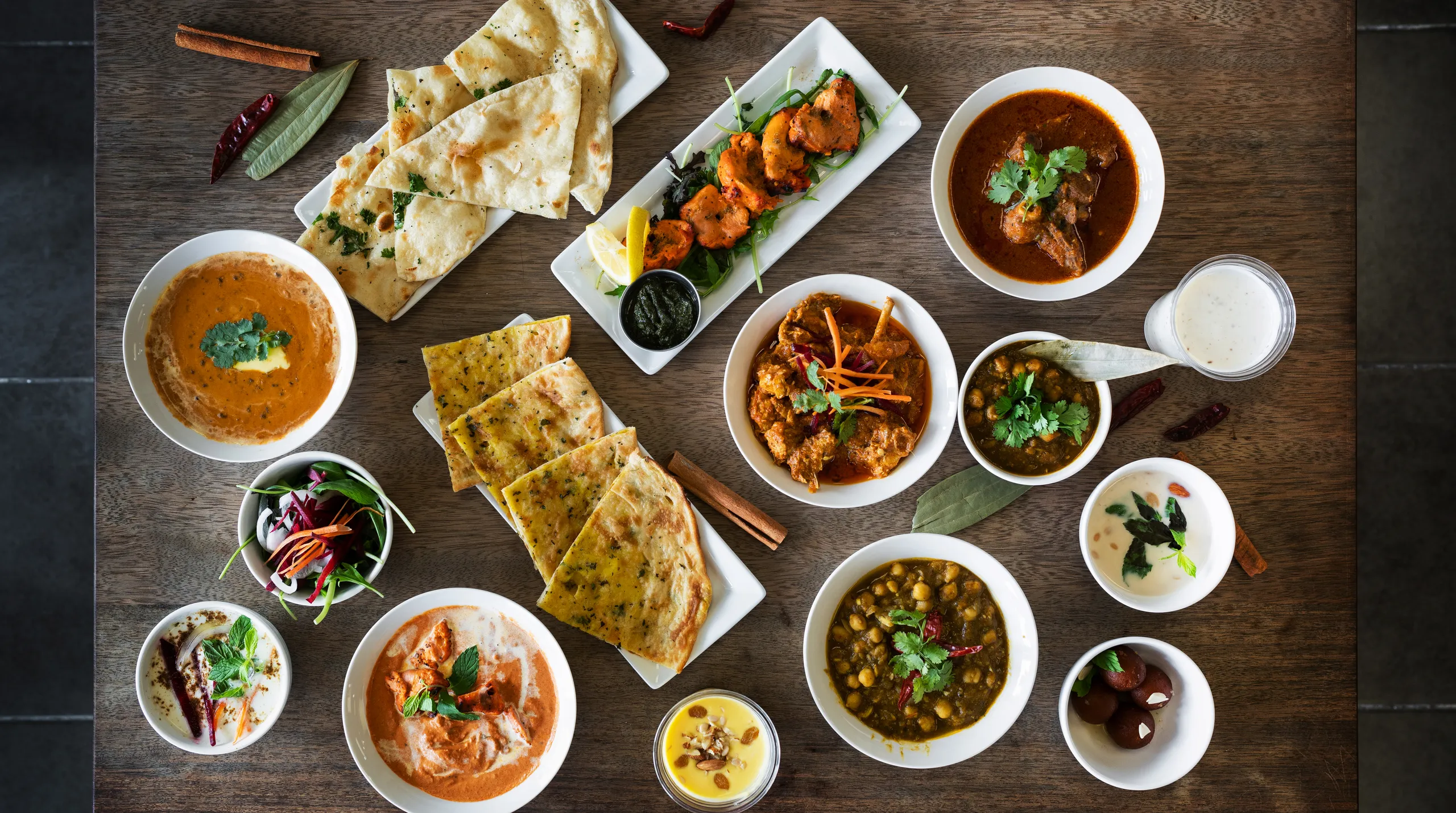
🕌 North Indian Cuisine: Bold Flavors & Royal Heritage
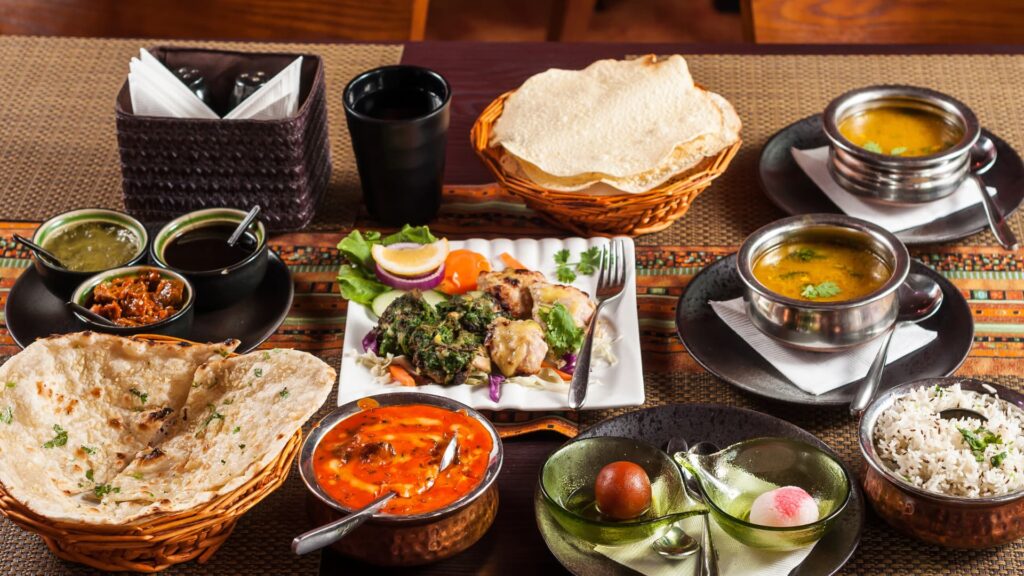
Popular North Indian Food: Introduction
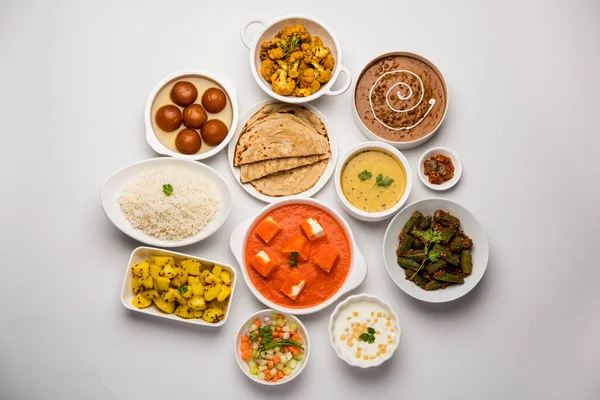
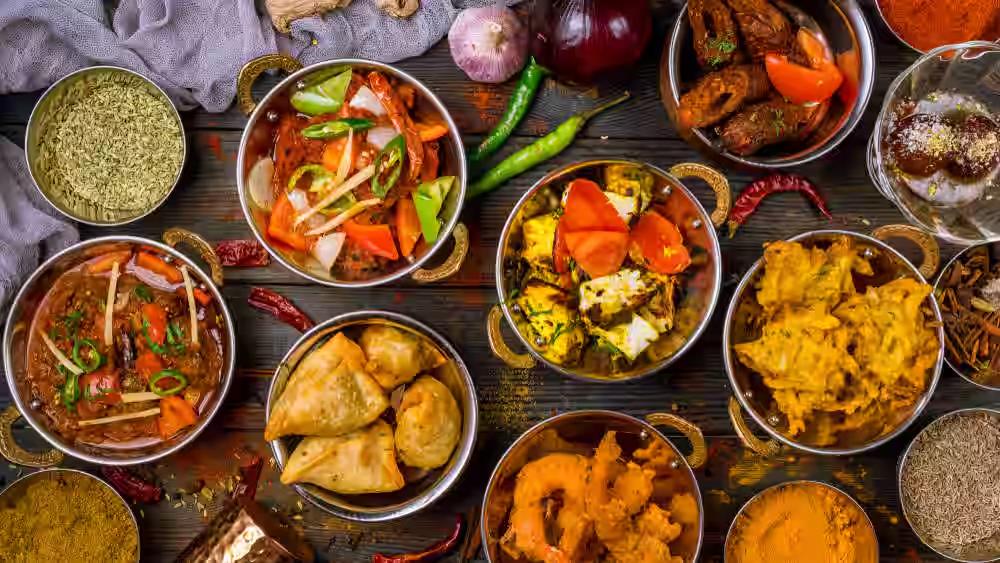
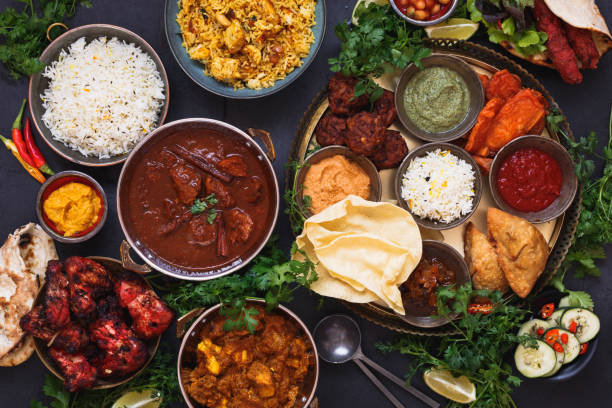
Popular North Indian Food: North India is a treasure trove of rich, hearty, and flavor-packed dishes that reflect the region’s royal history, diverse cultures, and agricultural abundance. From the snow-capped Himalayas of Kashmir to the fertile plains of Punjab and Uttar Pradesh, North Indian food is known for its robust use of spices, dairy, wheat-based breads, and slow-cooked curries.
Whether it’s the smoky aroma of tandoori meats or the creamy indulgence of lentil-based dals, North Indian cuisine offers comfort and complexity in every bite.
Popular North Indian Food: Key Characteristics
Dairy-Rich: Widespread use of ghee, butter, paneer, and cream.
Spice-Forward: Garam masala, cumin, coriander, cardamom, and dried fenugreek.
Tandoor Cooking: Many breads and meats are cooked in clay ovens.
Wheat Over Rice: Flatbreads like roti, naan, and paratha are staples.
Hearty Curries: Slow-cooked gravies with layers of flavor.
Popular North Indian Food: Must-Try Dishes from North India
🍗 1. Butter Chicken (Murgh Makhani) – Delhi/Punjab
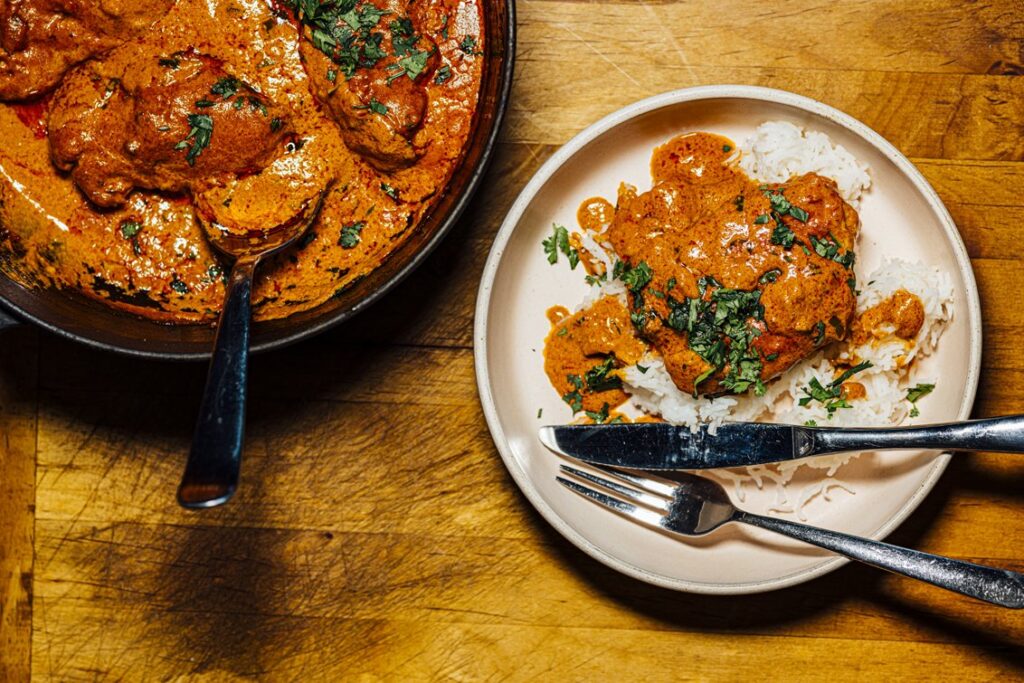
Tender chicken in a creamy tomato-based sauce, enriched with butter and spices. Often served with naan or jeera rice.
🥣 2. Dal Makhani – Punjab
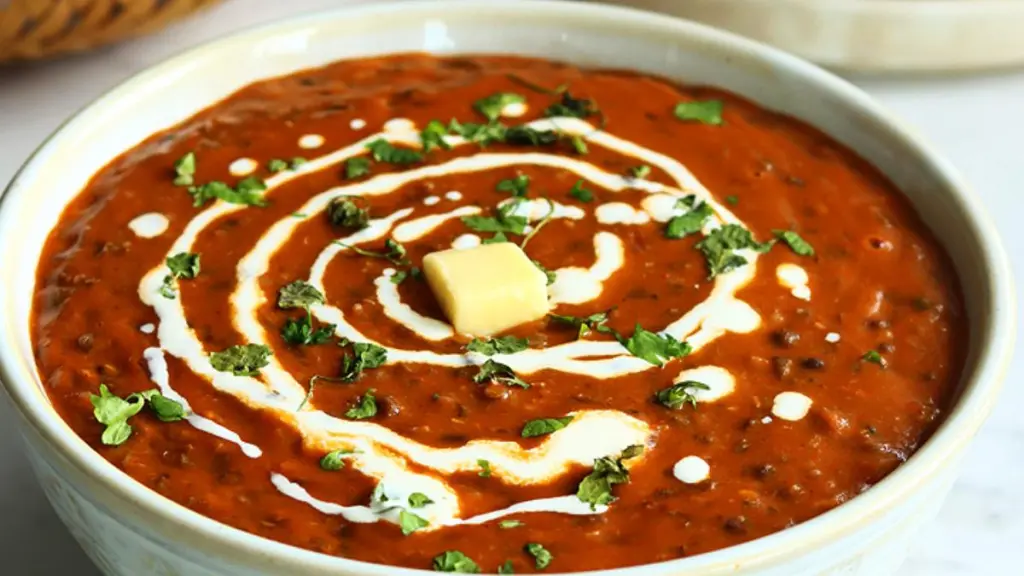
Black lentils simmered overnight with butter and cream. A luxurious vegetarian dish full of earthy depth.
🫓 3. Chole Bhature – Punjab/Delhi
Spicy chickpea curry served with deep-fried, puffed bhature bread. A popular street food and breakfast favorite.
🍛 4. Rogan Josh – Kashmir
A fragrant lamb curry with Persian influence, slow-cooked in yogurt and a medley of spices like cardamom and cinnamon.
🌾 5. Rajma Chawal – Punjab/Himachal Pradesh
Kidney beans in a tomato-onion masala, served with steamed rice. A comfort food classic.
🍢 6. Tandoori Chicken – Punjab
Chicken marinated in yogurt and spices, grilled in a tandoor (clay oven) until smoky and charred.
🧄 7. Baingan Bharta – Uttar Pradesh/Punjab
Charred eggplant mashed and cooked with onions, tomatoes, and garlic.
🫓 8. Aloo Paratha – Punjab
Wheat flatbread stuffed with a spiced potato filling, served with butter, yogurt, and pickle.
🥘 9. Nihari – Delhi/Lucknow
A slow-cooked stew of beef or lamb, traditionally eaten as a breakfast dish in Mughal-era Delhi.
🧀 10. Paneer Butter Masala – All over North India
Cubes of paneer simmered in a rich, buttery tomato gravy. Mildly spiced and perfect with naan.
Popular Breads of the North
Naan—Soft, leavened flatbread baked in a tandoor.
Roti/Chapati—Whole wheat unleavened bread.
Paratha—Flaky, layered flatbread with or without fillings.
Kulcha—Soft, stuffed bread popular in Amritsar.
Sweet Highlights
Gulab Jamun—Deep-fried milk balls soaked in sugar syrup.
Jalebi—crispy spirals soaked in saffron syrup.
Phirni—Creamy ground rice pudding served chilled.
Final Thoughts
North Indian cuisine is the epitome of richness and warmth—perfect for festive meals and everyday indulgence alike. Its balance of bold spices and comforting textures makes it one of the most widely enjoyed regional cuisines in India and across the globe.
1.🍗 Butter Chicken (Murgh Makhani) – A North Indian Icon
Introduction
Butter Chicken, also known as Murgh Makhani, is arguably India’s most iconic and globally recognized curry. With its irresistibly creamy texture, mellow spices, and rich tomato-based gravy, it stands as a shining star in North Indian cuisine. Whether you’re dining in Delhi or London, chances are you’ll find this dish on the menu — and once you taste it, you’ll know why.
🏛️ The Origin Story: From Delhi to the World
Butter Chicken was born in Delhi in the 1950s, in the legendary kitchen of Moti Mahal, a restaurant founded by three Punjabi refugees: Kundan Lal Gujral, Kundan Lal Jaggi, and Thakur Dass.
The story goes that to avoid wasting leftover tandoori chicken, they simmered it in a rich, buttery tomato gravy — and accidentally created a masterpiece. What began as a way to reuse dry chicken soon became an iconic dish that represents North Indian culinary innovation.
🔍 What Makes Butter Chicken Special?
Mildly Spiced: Unlike many fiery Indian curries, Butter Chicken is creamy, slightly sweet, and accessible to a wide range of palates.
Balanced Flavors: Tangy tomatoes, creamy butter and cream, and a hint of sweetness — it’s indulgent but not overwhelming.
Chargrilled Chicken: The chicken is traditionally marinated in yogurt and spices, then grilled or baked, adding a smoky depth to the dish.
Universal Appeal: Loved by both Indians and non-Indians, it’s often the gateway dish for people new to Indian cuisine.
🥘 Traditional Ingredients
For the chicken marinade:
Boneless chicken thighs or drumsticks (can use bone-in for flavor)
Yogurt (dahi)
Lemon juice
Ginger-garlic paste
Kashmiri red chili powder (for color, not heat)
Turmeric
Garam masala
Salt
For the makhani (butter) gravy:
Butter (yes, lots of it!)
Ripe tomatoes or tomato puree
Garlic and ginger
Fresh cream
Kasuri methi (dried fenugreek leaves)
Kashmiri chili powder
Garam masala
Sugar or honey (optional, to balance acidity)
Salt
👨🍳 How It’s Made (Traditional Method)
Step 1: Marinate the Chicken
Mix chicken with yogurt, lemon juice, and spices. Marinate for at least 4–6 hours, ideally overnight. This tenderizes the meat and infuses deep flavor.
Step 2: Cook the Chicken
Traditionally grilled in a tandoor (clay oven), but you can also roast, grill, or pan-fry the marinated chicken until lightly charred.
Step 3: Prepare the Makhani Gravy
Sauté ginger and garlic in butter.
Add pureed tomatoes and cook until the oil separates.
Stir in cream, chili powder, and garam masala.
Crush in some kasuri methi for that classic North Indian aroma.
Finish with a swirl of cream and (optionally) sugar for balance.
Step 4: Combine and Simmer
Add the grilled chicken into the simmering gravy. Let everything cook together for 10–15 minutes, allowing the flavors to meld into a rich, velvety sauce.
🍽️ Serving Suggestions
Butter Chicken pairs beautifully with:
Butter Naan – Soft, leavened flatbread brushed with butter.
Jeera Rice – Cumin-flavored basmati rice.
Laccha Paratha – Flaky layered bread.
Garnish with fresh cream, chopped cilantro, and maybe a wedge of lime for balance.
🌍 Global Popularity
Butter Chicken is no longer just an Indian favorite — it has become a global phenomenon. It’s found in Indian restaurants in New York, London, Toronto, Sydney, and beyond. It has also inspired fusion dishes like:
Butter Chicken Pizza
Butter Chicken Poutine (Canada)
Butter Chicken Tacos
Butter Chicken Pasta
📝 Pro Tips for Home Cooks
Use Kashmiri chili powder for color without too much heat.
Don’t skip kasuri methi — it gives an authentic restaurant-style finish.
Use fresh cream, not milk, to avoid splitting the gravy.
Make it a day in advance — the flavors deepen beautifully overnight.
❤️ Why People Love It
Comforting and indulgent
Perfect balance of spice and richness
A great introduction to Indian flavors
Crowd-pleaser at dinner parties and festive occasions
📌 Final Thoughts
Butter Chicken isn’t just a dish — it’s a culinary story of resourcefulness and flavor. Its buttery richness, tangy tomato base, and melt-in-your-mouth chicken make it an unforgettable experience. Whether you’re cooking at home or ordering from a restaurant, Murgh Makhani is a must-try classic that never goes out of style.
2. 🥣 Dal Makhani – A Creamy Comfort from Punjab
Introduction
Dal Makhani, which literally translates to “buttery lentils,” is a rich, creamy, slow-cooked lentil dish that has become a staple not just in Punjabi households but across all of India—and far beyond. Known for its luscious texture, earthy flavor, and signature smokiness, Dal Makhani is a shining example of how simple ingredients, when treated with care and time, can transform into something extraordinary.
📜 History & Origin
Dal Makhani originates from Punjab, in northern India, and like Butter Chicken, it rose to prominence from the same legendary restaurant—Moti Mahal in Delhi. It was crafted by Kundan Lal Gujral, who sought to bring more richness to the traditional black lentil curry (maa ki dal) served in Punjabi homes.
By incorporating butter, cream, and slow-cooking techniques, Dal Makhani evolved into the creamy delight we know today. It became a favorite during festive occasions, weddings, and restaurant dinners.
🔍 What Makes Dal Makhani Special?
Slow-Cooked for Hours: Traditionally simmered overnight for deep flavor.
Creamy & Buttery: Ghee, butter, and cream give it its luxurious texture.
Smoky & Earthy: Often finished with a smoky “dhungar” (coal-smoking) technique for aroma.
Protein-Rich: Made from black gram lentils (urad dal) and sometimes kidney beans (rajma), it’s hearty and nutritious.
🥘 Key Ingredients
Main Lentils:
Whole black lentils (urad dal)
Red kidney beans (rajma, optional but traditional)
Flavor Base:
Butter and ghee
Onions (finely chopped)
Tomatoes (fresh or pureed)
Ginger and garlic (paste or finely chopped)
Green chilies (for optional heat)
Spices:
Cumin seeds
Red chili powder (Kashmiri chili for color)
Turmeric
Coriander powder
Garam masala
Salt
Finishers:
Fresh cream
Kasuri methi (dried fenugreek leaves)
A small piece of charcoal (for optional smoke)
👨🍳 How It’s Made (Traditional Method)
Step 1: Soak & Cook the Lentils
Soak the lentils and rajma overnight.
Pressure cook them until soft and creamy. They should almost melt in the mouth.
Step 2: Make the Masala Base
Sauté cumin seeds in butter or ghee.
Add onions, cook until golden.
Stir in ginger-garlic paste, then tomatoes and spices.
Cook until the masala thickens and the oil separates.
Step 3: Combine and Simmer
Add the cooked lentils to the masala.
Simmer on low heat for at least 1–2 hours, adding water as needed.
Stir often to avoid sticking and encourage creaminess.
Step 4: Finish with Cream and Kasuri Methi
Add fresh cream, kasuri methi, and a dollop of butter.
For extra depth, you can use the “dhungar” method: place a hot piece of charcoal in a small bowl inside the dal, drizzle ghee on it, cover the pot, and let the smoky flavor infuse for 5–10 minutes.
🍽️ Serving Suggestions
Dal Makhani is best enjoyed with:
Butter Naan
Lachha Paratha
Jeera Rice (Cumin Rice)
Steamed Basmati Rice
Garnish with a swirl of cream and fresh coriander.
🧡 Why It’s Loved
Ultimate comfort food in North India.
A vegetarian dish that’s rich and indulgent, often reserved for special meals.
Loved across generations for its homey yet luxurious character.
Can easily be the centerpiece of a vegetarian Indian meal.
🌱 Fun Fact
Despite its richness, Dal Makhani is traditionally vegetarian and often served in temples and during Indian festivals. It also became an Indian restaurant staple globally—found in every Indian eatery from Toronto to Tokyo.
📌 Final Thoughts
Dal Makhani isn’t just a lentil curry—it’s a dish that represents the essence of Punjabi hospitality and culinary depth. Its rich, comforting flavor, slow-cooked elegance, and smoky undertones make it a must-try for anyone exploring Indian cuisine. Whether you’re new to Indian food or a lifelong fan, this is one dish that deserves a spot at your table.
3. 🫓 Chole Bhature – A Classic North Indian Comfort Combo
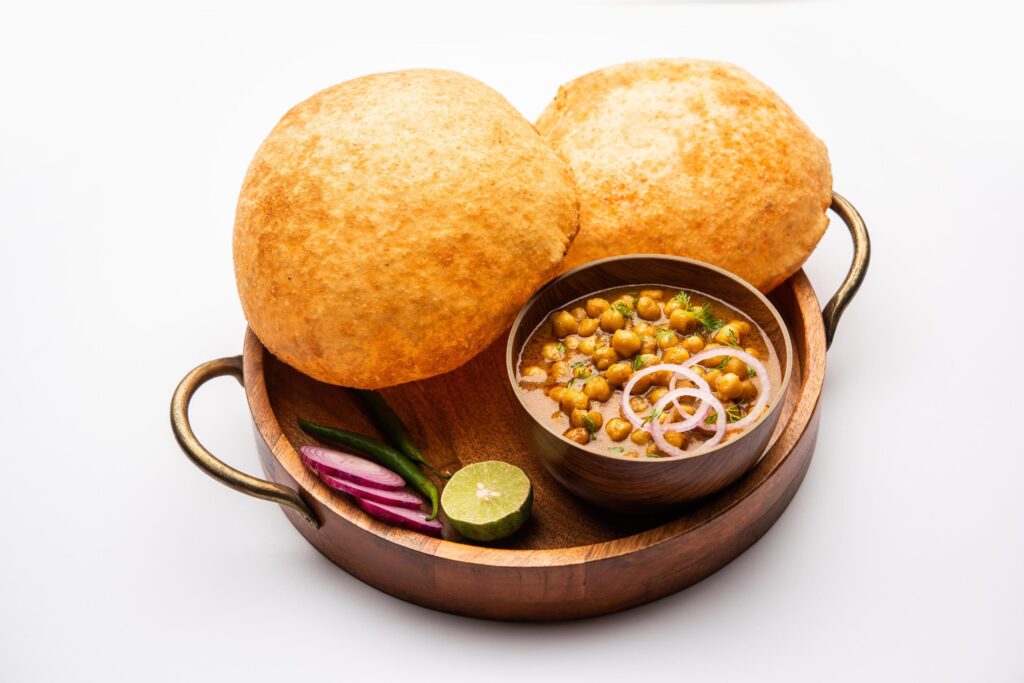
Introduction
Few dishes capture the spirit of North Indian street food quite like Chole Bhature. This beloved combination of spicy chickpea curry (chole) and deep-fried, puffy bread (bhature) is hearty, flavorful, and completely soul-satisfying. Originally from the streets of Delhi and Punjab, Chole Bhature has become a national favorite, especially as a weekend brunch or festive indulgence.
🏙️ Cultural Significance
Chole Bhature is more than just a dish—it’s an experience. In Delhi, long queues outside iconic eateries like Sita Ram Diwan Chand or Om Bhature Wala are a testament to its popularity. Served hot, spicy, and often dripping with ghee or butter, it’s a celebration of North India’s bold, robust flavors.
Traditionally eaten for breakfast or brunch, it has also found a home in restaurants, dhabas (roadside eateries), and homes across India.
🍛 What Is Chole Bhature?
Chole (Chana Masala): Spicy and tangy chickpea curry, made with onions, tomatoes, ginger, garlic, and a special blend of spices.
Bhature: A soft, puffed, deep-fried bread made from fermented flour dough, usually using all-purpose flour (maida), yogurt, and baking agents.
Together, they create the perfect balance of crunch, spice, softness, and tang.
🧂 Key Ingredients
For Chole (Chickpea Curry):
Dried white chickpeas (soaked overnight)
Onions
Tomatoes
Ginger-garlic paste
Green chilies
Tea bags (for color, optional)
Chole masala (or a blend of garam masala, amchur, cumin, coriander)
Pomegranate seeds powder or anardana (optional)
Oil or ghee
Fresh coriander for garnish
For Bhature:
All-purpose flour (maida)
Yogurt
Baking powder/soda
Sugar
Salt
Water (for kneading)
Oil (for deep frying)
👨🍳 Preparation Method
🥣 How to Make Chole:
Soak & Boil: Soak chickpeas overnight and boil with tea bags (to darken the color) until soft.
Make Masala Base: Sauté onions, ginger, garlic, and green chilies in oil.
Add Tomatoes & Spices: Cook until oil separates.
Simmer Chickpeas: Add boiled chickpeas and simmer in the masala for 15–20 minutes to absorb the flavors.
Finish: Garnish with chopped coriander and a squeeze of lemon.
🍞 How to Make Bhature:
Knead Dough: Mix maida with yogurt, sugar, salt, and leavening agents. Knead into a soft dough and let it rest (1–2 hours).
Roll & Fry: Divide the dough into balls, roll out into circles, and deep-fry in hot oil until puffed and golden.
🍽️ Serving Suggestions
Serve hot with:
Sliced onions tossed in lemon juice
Green chili pickle
A dollop of butter or ghee (optional)
Sweet or salted lassi to balance the spice
❤️ Why Everyone Loves It
Filling and satisfying – A complete meal on its own.
Perfect blend of textures – Crisp bhature + spicy, soft chole.
Versatile – Great for brunch, special occasions, or comfort food cravings.
Easily available – From roadside stalls to upscale restaurants.
🍴 Popular Variations
Paneer Stuffed Bhature
Aloo Bhature
Dry Chole (without gravy) for a lighter version
📌 Final Thoughts
Chole Bhature is the kind of dish that stirs up nostalgia, makes you salivate, and reminds you of bustling streets, loud laughter, and family feasts. It’s bold, filling, and unapologetically delicious—a true representation of North India’s culinary soul.
Whether you’re making it at home or lining up at your favorite street vendor, this classic combo never disappoints.
4. 🍛 Rogan Josh – The Royal Kashmiri Lamb Curry
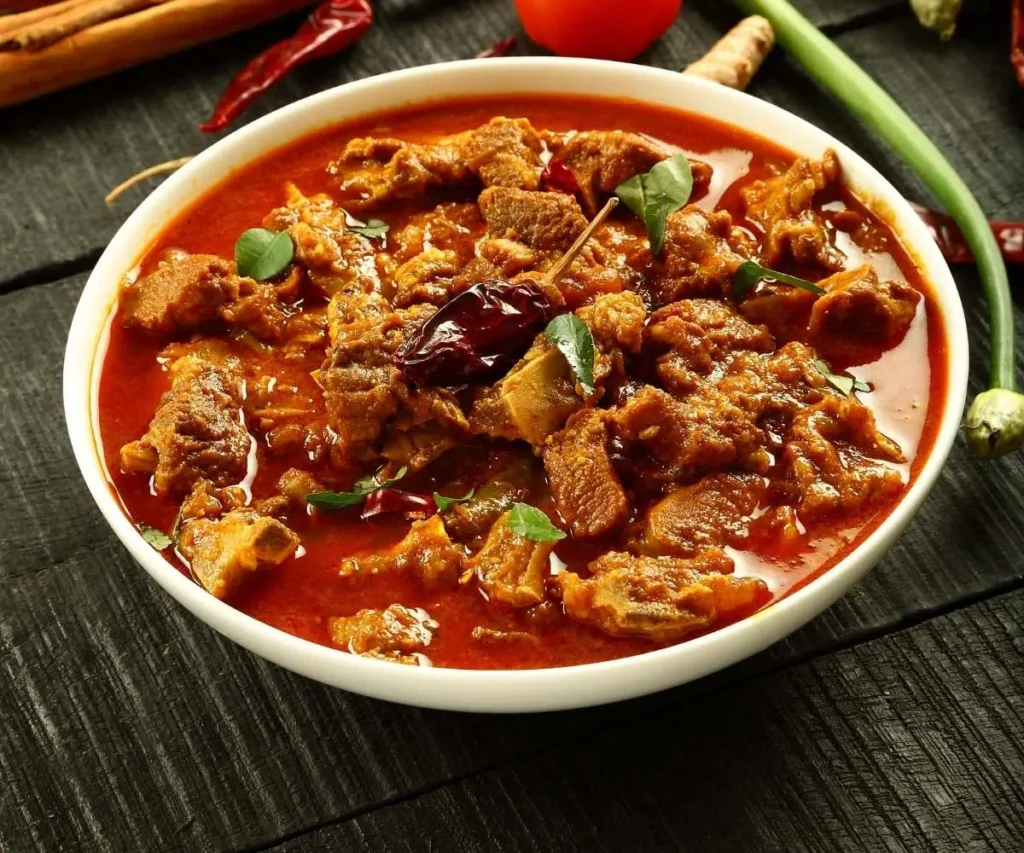
Introduction
Rogan Josh is one of the most celebrated dishes from Kashmir, famed for its rich, aromatic flavors and royal Mughal heritage. This slow-cooked lamb curry is a perfect example of Persian influence blending with Indian spices to create a dish that’s vibrant, fragrant, and deeply comforting.
🏔️ Origin and Cultural Significance
Originating from Persian cuisine, Rogan Josh was brought to Kashmir by Mughal invaders and adapted over centuries by the local Kashmiri cooks. It became a signature dish of the region’s Muslim households and royal kitchens.
The name “Rogan Josh” loosely translates to “red oil,” referring to the brilliant red color imparted by dried Kashmiri red chilies and the oil that floats on top after slow cooking.
🔍 Key Characteristics
Deep red color with a glossy finish
Tender lamb cooked to perfection in a thick gravy
Spices like cardamom, cinnamon, cloves, and fennel seeds create a warm, aromatic base
Yogurt is used to tenderize the meat and add a subtle tang
Typically mildly spicy but bursting with flavor
🥘 Traditional Ingredients
Lamb or mutton (preferably bone-in for more flavor)
Yogurt (whisked, helps tenderize and thicken)
Kashmiri red chili powder (for color and mild heat)
Whole spices: cardamom pods, cinnamon sticks, cloves, bay leaves, fennel seeds
Ginger and garlic paste
Onions (optional, as traditional Kashmiri cooking uses little onion)
Mustard oil or ghee
Salt
👩🍳 Cooking Method
Marinate the lamb with yogurt, ginger-garlic paste, salt, and Kashmiri chili powder.
Sauté whole spices in mustard oil or ghee until fragrant.
Add the marinated lamb and cook on high heat briefly to seal in juices.
Reduce heat and slow-cook the curry gently for 1.5 to 2 hours, stirring occasionally, until the lamb is tender and the gravy thickens.
Finish with a sprinkle of garam masala or dry fennel powder if desired.
🍽️ Serving Suggestions
Rogan Josh is traditionally served with:
Steamed basmati rice
Kashmiri pulao
Sheermal (sweet saffron-flavored flatbread)
Simple side salads or yogurt-based raita to balance the rich flavors
❤️ Why Rogan Josh is Loved
The slow-cooked lamb melts in your mouth with every bite.
The balance of warm spices is complex yet not overpowering.
It’s a perfect dish for festive occasions and special dinners.
The vibrant red color makes it visually stunning on the plate.
📌 Final Thoughts
Rogan Josh is a culinary jewel from Kashmir that captures the essence of royal Indian Muslim cuisine. It’s a dish that transports you to the serene valleys of the Himalayas with its fragrant spices and hearty meat. Whether you’re a meat lover or a culinary adventurer, Rogan Josh deserves a place on your Indian food bucket list.
5. 🌾Rajma Chawal – Punjab/Himachal Pradesh
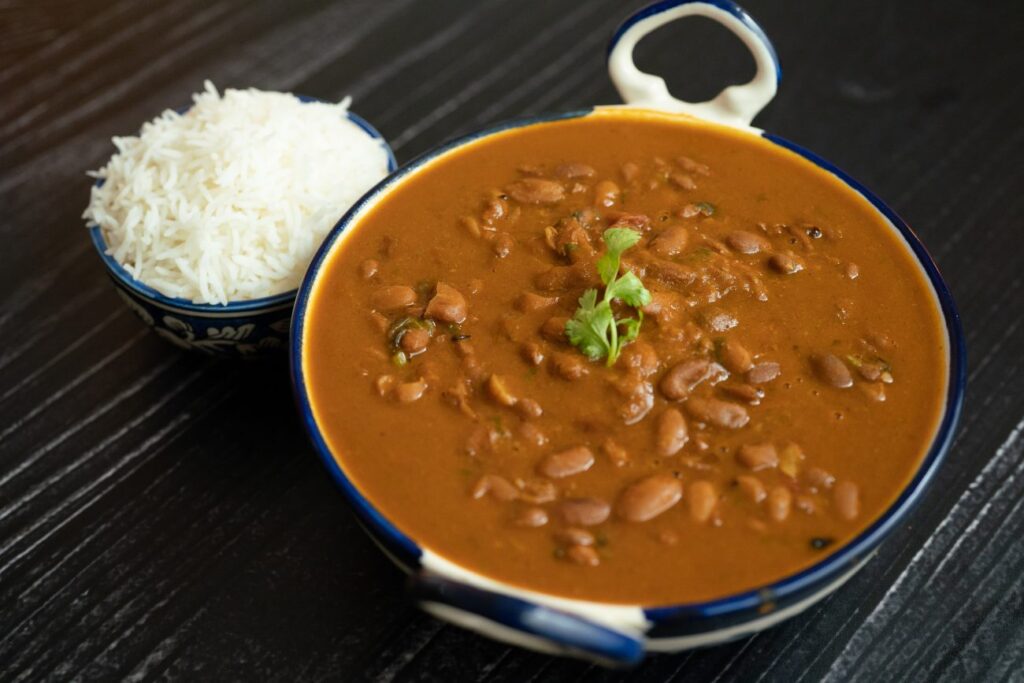
Introduction
Rajma Chawal, a humble yet deeply satisfying dish, holds a special place in the hearts and homes of people across Punjab and Himachal Pradesh. This classic meal combines Rajma (kidney beans cooked in a flavorful tomato-onion gravy) with steamed basmati rice (chawal) — a perfect marriage of textures and tastes that embodies Indian comfort food at its best.
🏞️ Cultural Roots and Popularity
Rajma Chawal is more than just a meal—it’s a symbol of home, warmth, and nostalgia. In northern India, especially in Punjab and the mountainous regions of Himachal Pradesh, this dish is a staple on everyday dining tables, festivals, and even special occasions. Its appeal lies in its simple ingredients, hearty nutrition, and soul-satisfying flavor.
🔍 What Makes Rajma Chawal Special?
Rich, thick gravy with a perfect balance of spices and tanginess.
Kidney beans that are soft yet retain their shape.
A naturally gluten-free and protein-packed dish.
The perfect comfort food to combat cold weather.
Often enjoyed as a wholesome lunch or dinner.
🥘 Key Ingredients
Red kidney beans (rajma), soaked overnight
Onions, finely chopped
Tomatoes or tomato puree
Ginger-garlic paste
Green chilies (optional, for heat)
Cumin seeds
Garam masala
Coriander powder
Turmeric powder
Red chili powder (preferably Kashmiri for color)
Asafoetida (hing) — optional, aids digestion
Fresh coriander leaves for garnish
Oil or ghee
Salt
👨🍳 Preparation Method
Step 1: Soak and Cook the Rajma
Soak kidney beans overnight to soften.
Pressure cook or boil the beans until tender but intact.
Step 2: Prepare the Masala Base
Heat oil or ghee in a pan, add cumin seeds and let them splutter.
Sauté onions until golden brown.
Add ginger-garlic paste and green chilies, cook until raw smell disappears.
Stir in tomatoes or tomato puree and cook until oil separates.
Add turmeric, chili powder, coriander powder, and salt.
Step 3: Combine and Simmer
Add the cooked rajma to the masala.
Pour some water to adjust consistency.
Simmer on low heat for at least 30 minutes, allowing the flavors to blend.
Finish with garam masala and fresh coriander garnish.
🍽️ Serving Suggestions
Serve hot with steamed basmati rice — the rice soaks up the luscious gravy perfectly.
Accompany with sliced onions, lemon wedges, and a dollop of butter (optional).
A side of pickle or yogurt complements the meal beautifully.
🧡 Why Rajma Chawal is a Favorite
It’s nutritious and wholesome, packed with protein and fiber.
Comforting and warming, especially in cooler climates.
Easy to prepare and budget-friendly.
A crowd-pleaser loved by all age groups.
📌 Final Thoughts
Rajma Chawal is the ultimate example of how simple ingredients, when combined thoughtfully, create a dish that is far greater than the sum of its parts. Its hearty texture, rich flavors, and nostalgic appeal make it a must-have on every North Indian dining table. Whether you’re craving a taste of home or exploring Indian cuisine, Rajma Chawal is a dish that warms both the heart and soul.
6. 🧀 Paneer Tikka – The Smoky Vegetarian Star of North India
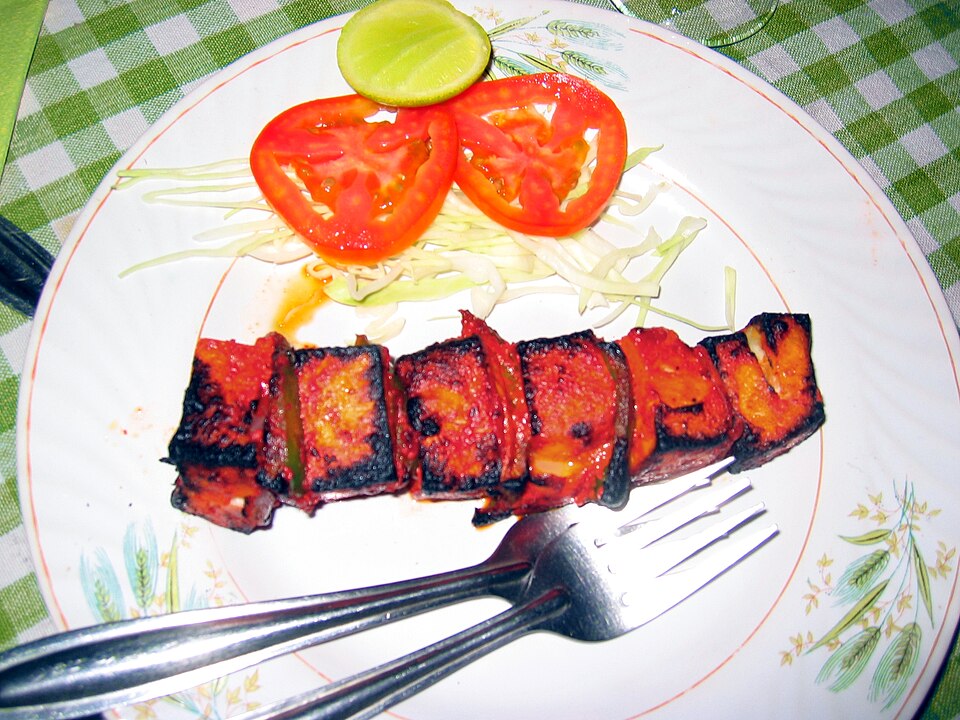
💡 Introduction
Paneer Tikka is a vegetarian masterpiece of North Indian cuisine, loved for its smoky aroma, vibrant spices, and melt-in-the-mouth texture. Made from chunks of paneer (Indian cottage cheese) marinated in a spiced yogurt mixture and roasted in a tandoor or grilled over an open flame, it offers a satisfying balance of tang, heat, and creaminess. While often enjoyed as a starter, its versatility has made it a popular choice in wraps, curries, and even fusion recipes. For many, it’s proof that vegetarian food can be just as indulgent and flavorful as any meat dish.
🏛 Cultural Significance
Paneer Tikka is more than an appetizer—it’s a representation of North India’s tandoori heritage and vegetarian culinary pride.
Royal Roots: The tandoor’s use dates back to ancient Punjab and was refined during the Mughal era. Paneer Tikka emerged as a vegetarian adaptation of meat kebabs.
Festive Dish: A staple at weddings, Diwali dinners, and celebratory feasts.
Hospitality Symbol: In Punjabi households, serving hot Paneer Tikka with chutney is a warm gesture of welcome.
Global Appeal: Today, it’s enjoyed worldwide, from Indian street stalls to international restaurants.
🛒 Key Ingredients
The secret to unforgettable Paneer Tikka lies in fresh ingredients and balanced flavors:
🧀 Paneer: Fresh, firm cubes that hold shape during grilling.
🥛 Yogurt: Thick curd for marinating and tenderizing.
🌶 Spices: Red chili powder, turmeric, cumin, coriander powder, garam masala.
🧄 Ginger-Garlic Paste: For depth and aroma.
🍋 Lemon Juice: Adds tanginess.
🫒 Mustard Oil: Enhances richness and authentic flavor.
🫑 Vegetables: Onion, bell peppers, and tomatoes for added crunch and color.
🧂 Chaat Masala: Sprinkled after grilling for zest.
👩🍳 Preparation Method
Step-by-Step Guide:
Prepare the Marinade: Whisk thick yogurt with spices, ginger-garlic paste, lemon juice, and mustard oil.
Coat the Paneer & Vegetables: Add paneer cubes and vegetables, coat gently without breaking the paneer.
Marinate: Cover and refrigerate for 30 minutes to 2 hours for deeper flavor.
Skewer & Grill: Thread alternately onto skewers and cook in a tandoor, oven, or grill pan, brushing with ghee/oil for moisture.
Finish & Serve: Cook until slightly charred, then sprinkle chaat masala before serving.
🍽 Serving Suggestions
Classic Platter: With mint chutney, lemon wedges, and onion rings.
Wraps & Rolls: Stuffed in paratha or naan with chutney and salad.
With Curry: Turn into Paneer Tikka Masala by adding to a rich tomato gravy.
Fusion: As a topping for pizza, salad, or pasta.
💖 Why Everyone Likes It
Smoky, tangy, and spicy flavor combination.
Perfect texture—soft paneer with crisp vegetables.
Visually appealing with bright colors.
Versatile as a snack, main, or fusion ingredient.
Loved by vegetarians and meat lovers alike.
📝 Final Thought
Paneer Tikka is a shining star in the galaxy of North Indian cuisine—smoky, flavorful, and endlessly adaptable. It carries the legacy of the tandoor while catering to modern tastes, proving that vegetarian food can be just as satisfying as any meat dish. Whether sizzling on a wedding buffet, served at a roadside dhaba, or plated elegantly in a fine-dining restaurant, Paneer Tikka delivers joy in every bite. In the grand feast of North Indian flavors, it stands proudly as a dish that bridges tradition and trend with equal charm.
7. 👑 Shahi Paneer – The Royal Creamy Delight of North India
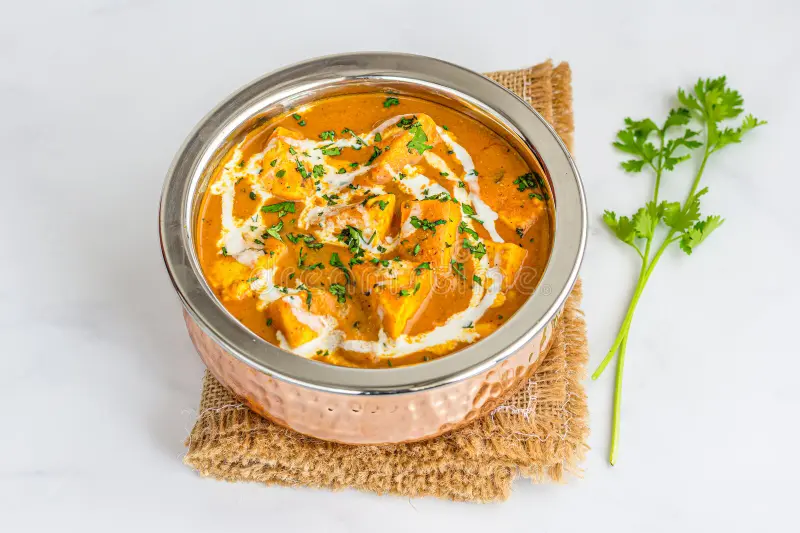
💡 Introduction
Shahi Paneer is one of North India’s most luxurious vegetarian dishes, known for its rich, creamy texture and mildly spiced flavor. The name itself speaks volumes—Shahi means “royal,” and this dish truly lives up to its title. Made from soft paneer cubes simmered in a velvety gravy of cream, tomatoes, onions, and aromatic spices, it is a centerpiece of festive meals and royal feasts. Every bite is a perfect blend of sweetness, creaminess, and spice, making it a comfort food for some and a celebratory indulgence for others.
🏛 Cultural Significance
Shahi Paneer is a dish born from the opulence of Mughal kitchens, where rich gravies, nuts, and fragrant spices were crafted to impress royalty.
Mughal Heritage: Introduced during the Mughal era, influenced by Persian and Central Asian cooking.
Festive Staple: Often served during weddings, festivals like Diwali, and grand gatherings.
Vegetarian Royalty: Showcases that vegetarian food can be just as regal as any meat-based dish.
Symbol of Hospitality: In North Indian homes, preparing Shahi Paneer for guests is a sign of honor and respect.
Key Ingredients
The soul of Shahi Paneer lies in the combination of dairy richness, mild spices, and aromatic additions:
Paneer – Fresh, soft cubes that soak up the gravy’s flavors.
Onions – Lightly sautéed for sweetness.
Tomatoes – For tang and color.
Cashew Nuts – Ground into a paste for the creamy texture.
Fresh Cream – Adds smoothness and richness.
Spices – Cardamom, cinnamon, cloves, turmeric, and garam masala.
Ghee or Butter – For depth and aroma.
Ginger-Garlic Paste – Essential for the base flavor.
👩🍳 Preparation Method
Step-by-Step Guide:
Make the Cashew Paste: Soak cashews in warm water and grind into a smooth paste.
Prepare the Base: Sauté onions, ginger, and garlic in ghee until golden.
Add Tomatoes & Spices: Cook until the tomatoes break down, then add turmeric, cardamom, cinnamon, and cloves.
Blend for Smoothness: Blend the onion-tomato mixture for a silky texture.
Simmer with Paneer: Return the gravy to the pan, add cashew paste, fresh cream, and paneer cubes, then simmer gently.
Finish: Sprinkle garam masala and garnish with fresh coriander or saffron strands.
🍽 Serving Suggestions
Classic Pairing: With naan, roti, or tandoori paratha.
With Rice: Pairs beautifully with jeera rice or vegetable pulao.
Royal Platter: Serve alongside other Mughlai dishes like biryani, kebabs, or dal makhani.
Garnish Upgrade: Add slivered almonds or saffron-infused cream for extra elegance.
💖 Why Everyone Likes It
Luxuriously creamy yet mildly spiced—perfect for all palates.
A festive favorite that looks and tastes special.
Appeals equally to vegetarians and meat lovers.
The balance of sweet, tangy, and savory makes it irresistible.
Feels indulgent yet comforting at the same time.
📝 Final Thought
Shahi Paneer is not just food—it’s an experience of royal indulgence on a plate. Every spoonful transports you to a time when lavish banquets and aromatic kitchens were symbols of grandeur. Its rich, nut-based gravy and soft paneer cubes make it both luxurious and heartwarming. Whether it’s a festive celebration or a cozy family dinner, Shahi Paneer always brings an air of elegance to the table, making it one of North India’s most treasured culinary gems.
8.🍯 Gulab Jamun – The Sweet Crown Jewel of North India
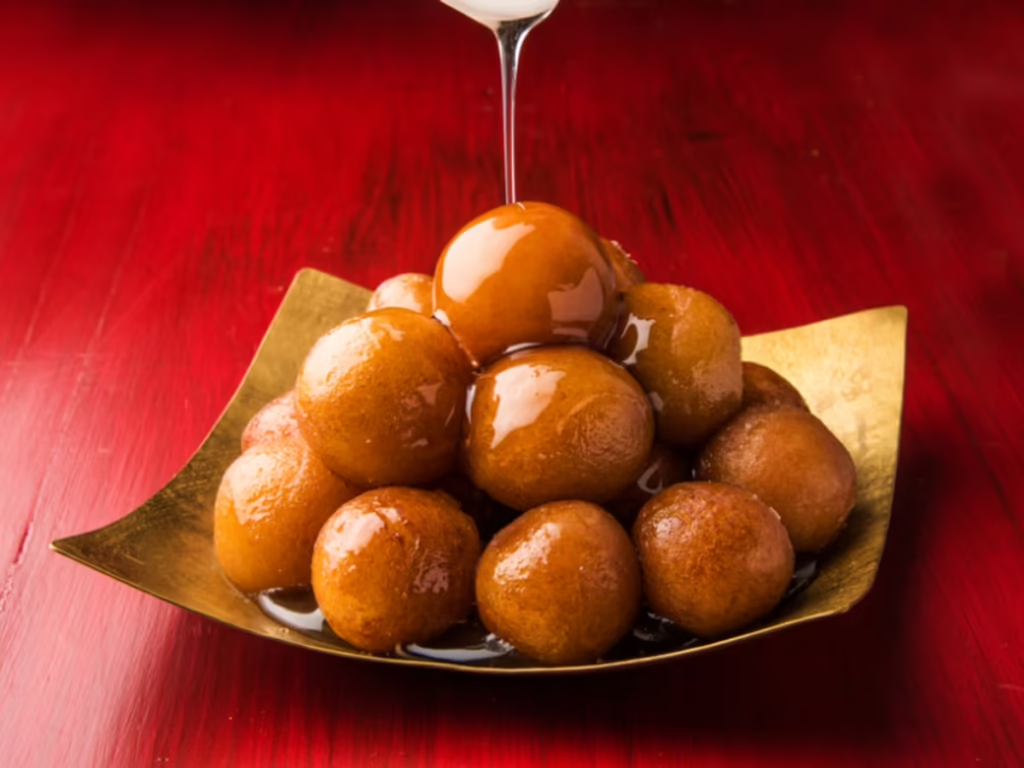
💡 Introduction
Gulab Jamun is one of the most beloved desserts in India, adored for its soft, melt-in-the-mouth texture and indulgent sweetness. Made from khoya (milk solids) or milk powder, shaped into small balls, deep-fried until golden, and soaked in fragrant sugar syrup, it’s a dessert that speaks the language of celebration. Whether enjoyed warm in winter or chilled in summer, Gulab Jamun has a magical ability to turn any occasion into a sweeter memory.
🏛 Cultural Significance
Gulab Jamun has been part of India’s culinary heritage for centuries, with roots tracing back to Persian and Turkish sweets introduced during the Mughal era.
Mughal Influence: Inspired by Persian desserts like luqmat al qadi, adapted to Indian tastes.
Festival Essential: A must-have during Diwali, Eid, Holi, and weddings.
Symbol of Joy: Represents abundance, sweetness, and good fortune.
Pan-India Popularity: While it’s a North Indian classic, it is loved and made in every corner of the country.
🥗 Key Ingredients
The magic of Gulab Jamun lies in its simplicity, yet every component matters:
Khoya or Milk Powder – The base for soft, rich dumplings.
Maida (All-purpose Flour) – Binds the dough.
Baking Powder or Soda – Helps make the texture fluffy.
Ghee – For deep frying and flavor.
Sugar – For the syrup.
Water – To make the syrup.
Cardamom – Adds fragrance.
Rose Water or Saffron – For that signature aroma.
👩🍳 Preparation Method
Step-by-Step Guide:
Make the Dough: Mix khoya, maida, baking powder, and a little milk to form a soft, smooth dough.
Shape the Balls: Roll into small, crack-free balls to avoid breaking during frying.
Prepare the Syrup: Boil sugar with water, cardamom, and rose water until slightly sticky.
Fry the Gulab Jamuns: Heat ghee and fry on low-medium heat until evenly golden brown.
Soak in Syrup: Place hot Gulab Jamuns directly into warm syrup and let them soak for at least 1–2 hours for maximum flavor.
🍽 Serving Suggestions
Classic Style: Warm with extra syrup.
With Ice Cream: Vanilla or kulfi for a fusion treat.
Stuffed Version: Filled with nuts or dried fruits.
Party Presentation: Garnished with silver leaf and pistachio slivers.
💖 Why Everyone Likes It
Perfectly soft and juicy texture.
Rich, comforting sweetness that feels festive.
Versatile—enjoyed warm or cold, plain or with toppings.
Appeals to all ages and tastes.
Brings nostalgia and celebration in every bite.
📝 Final Thought
Gulab Jamun isn’t just a dessert—it’s a spoonful of pure joy wrapped in tradition. From the royal kitchens of the Mughals to modern-day sweet shops, its charm has never faded. Each golden dumpling carries with it the warmth of celebrations, the comfort of home, and the timeless sweetness of India’s culinary heart. Whether it’s the centerpiece of a wedding dessert table or a humble post-meal indulgence, Gulab Jamun will always remain the crowning jewel of North Indian sweets.
9. 🍚 Biryani – The Fragrant Jewel of North Indian Feasts
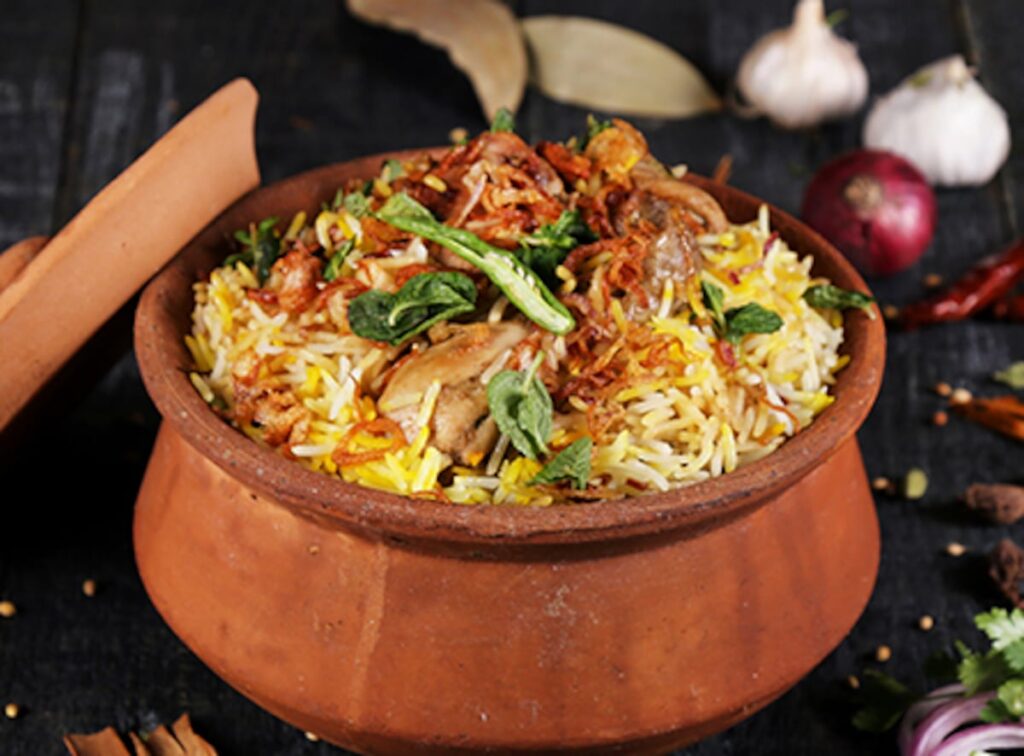
💡 Introduction
Biryani is more than just a rice dish—it’s a sensory experience that blends the fragrance of basmati rice, the richness of slow-cooked meat or vegetables, and the warmth of aromatic spices. Each grain is infused with flavor, carrying the essence of centuries-old culinary artistry. In North India, biryani is often richer, milder in heat compared to its southern counterparts, yet layered with deep, complex flavors that make it a star of celebrations, festivals, and royal banquets.
🏛 Cultural Significance
Biryani’s origins trace back to the royal Mughal kitchens, inspired by Persian pilafs and perfected in India.
Royal Heritage: Once served to kings and nobles as a symbol of hospitality and opulence.
Regional Adaptations: North Indian versions, such as Lucknowi (Awadhi) biryani, focus on delicate flavors and the dum pukht slow-cooking method.
Celebratory Dish: A must-have for weddings, Eid feasts, and grand gatherings.
Cultural Blend: Combines influences from Central Asia, Persia, and Indian spices.
🥗 Key Ingredients
Basmati Rice – Long-grain, aromatic rice for the perfect texture.
Meat (Chicken, Mutton) or Vegetables – The star protein or vegetarian base.
Ghee – Adds richness and aroma.
Onions – Often fried to a golden crisp.
Yogurt – For marinating and tenderizing meat.
Spices – Cardamom, cloves, cinnamon, bay leaf.
Saffron – For color, aroma, and luxury.
Fresh Herbs – Mint and coriander for freshness.
👩🍳 Preparation Method
Marinate the Meat/Vegetables: With yogurt, spices, and herbs for a few hours to deepen the flavor.
Cook the Rice: Parboil basmati rice with whole spices until slightly undercooked.
Layering: Alternate layers of rice and meat/vegetables in a heavy-bottomed pot.
Flavoring: Drizzle saffron-infused milk or water for a golden hue.
Dum Cooking: Seal the pot and cook on low heat to let the flavors blend.
Resting: Allow it to sit before serving to settle the flavors.
🍽 Serving Suggestions
With Raita: Cooling cucumber or boondi raita balances the spices.
With Salad: Fresh onion, cucumber, and tomato slices.
Accompaniment: Spicy pickle or papad.
Special Touch: Garnish with fried onions, boiled eggs, and fresh mint leaves.
💖 Why Everyone Likes It
Perfect harmony of rice, spices, and protein/vegetables.
Aromatic and visually stunning.
Satisfies both festive and everyday cravings.
Customizable to suit any palate—from mild to fiery.
Carries a sense of celebration in every bite.
📝 Final Thought
Biryani is not just food—it’s poetry on a plate. Each spoonful is a layered masterpiece of flavors and textures, reflecting centuries of culinary tradition. Whether you savor a royal Lucknowi version or a hearty homemade one, biryani has the power to bring people together, spark conversations, and leave you craving just one more serving. In the world of North Indian cuisine, it remains a dish worthy of both kings and commoners.
10. 🥔 Aloo Paratha – The Comfort King of North Indian Breakfasts
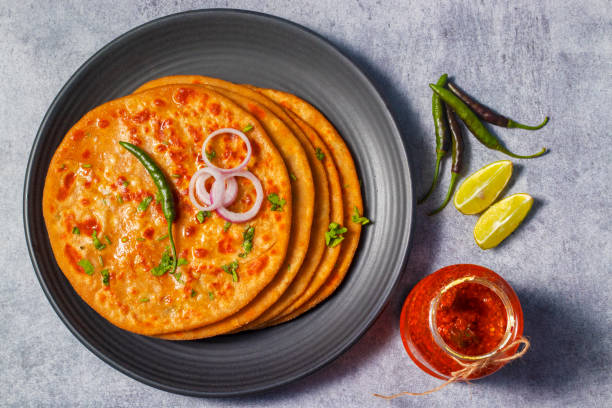
💡 Introduction
Aloo Paratha is a warm, stuffed flatbread that has earned legendary status in North Indian households. Crispy on the outside, soft and flavorful on the inside, it’s generously filled with a spiced mashed potato mixture. Traditionally cooked on a hot tava with a generous dollop of ghee or butter, it’s the ultimate comfort food that transcends breakfast and often appears on lunch and dinner tables as well. Its rustic charm lies in the fact that it’s as satisfying for a farmer in Punjab as it is for a city dweller in Delhi.
🏛 Cultural Significance
Aloo Paratha is deeply woven into the culinary fabric of North India, especially Punjab.
Farmer’s Breakfast: Once a hearty morning meal to fuel long hours in the fields.
Hospitality Symbol: Offering guests fresh, hot parathas is a sign of warmth and care.
Festive Mornings: Popular during winter months and special family gatherings.
Diaspora Comfort Food: Loved by North Indians worldwide as a taste of home.
🥗 Key Ingredients
Whole Wheat Flour – For the dough.
Potatoes – Boiled and mashed for the filling.
Green Chilies – For a mild kick.
Onion – Optional, for added crunch.
Coriander Leaves – Fresh, for flavor.
Spices – Cumin powder, garam masala, red chili powder, salt.
Ghee or Butter – For cooking and serving.
👩🍳 Preparation Method
Prepare the Dough: Knead whole wheat flour with water, a pinch of salt, and a little oil until smooth.
Make the Filling: Mix mashed potatoes with green chilies, coriander, onion (optional), and spices.
Stuff and Roll: Flatten a small ball of dough, place filling inside, seal, and roll out carefully.
Cook on Tava: Roast on a hot pan, applying ghee or butter until golden brown spots appear on both sides.
Serve Hot: Best enjoyed straight from the tava to the plate.
🍽 Serving Suggestions
Classic Pairing: With chilled yogurt and tangy pickle.
Winter Special: With a glass of fresh lassi or hot chai.
Festive Treat: Top with a generous cube of melting butter.
Spicy Option: Serve with green chili chutney.
💖 Why Everyone Likes It
Comforting blend of crispy bread and soft, flavorful filling.
Perfectly suited for all ages.
Incredibly versatile—can be mild or spicy.
Feels like a warm hug on a plate.
Simple ingredients, big flavors.
📝 Final Thought
Aloo Paratha is the heart and soul of North Indian breakfast culture—a dish that’s humble yet deeply satisfying. Its golden, buttery surface and spiced potato filling carry with them the warmth of home-cooked love. Whether you enjoy it on a cold winter morning in Punjab or in a high-rise apartment kitchen miles away, Aloo Paratha delivers nostalgia, comfort, and joy in every bite. It’s not just a meal—it’s a cherished tradition that never goes out of style.
Leave a Reply