

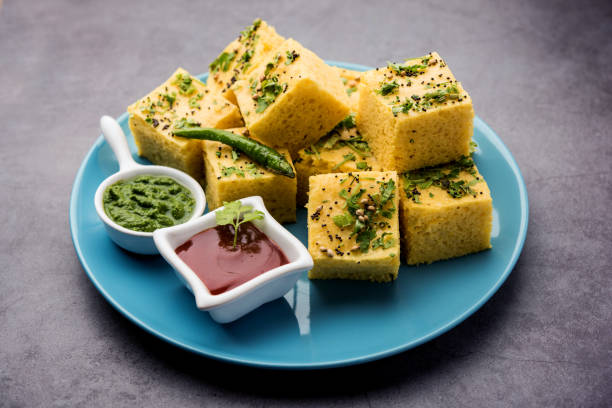
1. 🟡 Dhokla (Gujarat) – The Fluffy Pride of Gujarati Cuisine
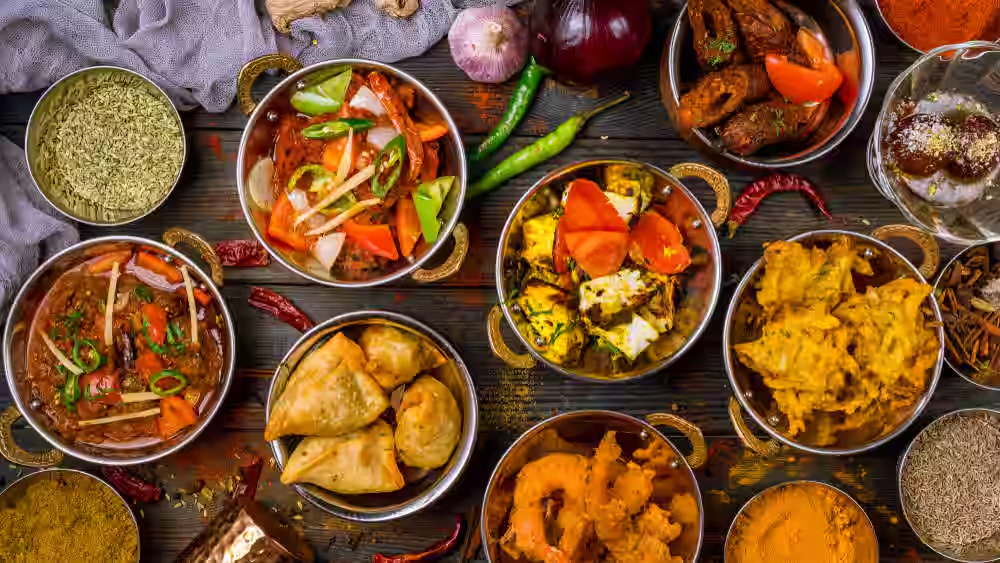
📖Best West Indian Food To Taste: Introduction
Best West Indian Food: Dhokla is one of the most popular and loved dishes from Gujarat, enjoyed not only across India but also globally. Known for its light, fluffy texture and tangy-sweet flavor, dhokla is a versatile snack that fits perfectly as breakfast, tea-time munchies, or even party food. Unlike many fried snacks, dhokla is steamed, making it healthier and easily digestible.
🎭 Best West Indian Food To Taste: Cultural Significance
In Gujarat, food is not just about taste but about togetherness and celebration. Dhokla holds a special place in Gujarati households and is often served during festivals, family functions, and weddings. It is also a part of the traditional farsan (savory side dishes) that Gujaratis love to include in daily meals. Because of its simple ingredients and quick preparation, dhokla has become a cultural symbol of Gujarat’s innovative vegetarian cuisine.
🥦 Best West Indian Food: Key Ingredients
The magic of dhokla lies in its humble ingredients:
-
Chickpea Flour (Besan)—the base ingredient
-
Rice or Rava (optional)—adds texture
-
Yogurt (Curd)—for fermentation and tanginess
-
Ginger & Green Chili Paste—for spice and flavor
-
Eno Fruit Salt or Baking Soda—to make it soft and spongy
-
Sugar & Lemon Juice—balance of sweet and sour
-
Tempering—mustard seeds, curry leaves, sesame seeds, green chilies, and oil
👩🍳 Preparation Method
-
Batter—Mix chickpea flour, yogurt, and water to make a smooth batter. Let it ferment slightly.
-
Seasoning—Add ginger-chili paste, lemon juice, salt, and a little sugar for flavor.
-
Rising Agent—Just before steaming, add Eno/baking soda to make the batter airy.
-
Steaming—Pour the batter into a greased tray and steam for 15–20 minutes until fluffy.
-
Tempering—Heat oil, add mustard seeds, curry leaves, sesame seeds, and green chilies, then pour over the steamed dhokla.
-
Serving—Cut into square or diamond pieces and garnish with coriander and grated coconut.
🍴 Serving Suggestions
-
Serve warm with green chutney (made from coriander, mint, and green chilies).
-
Tamarind chutney can be paired for a sweet and tangy kick.
-
Often enjoyed with a hot cup of masala chai.
-
Can also be stuffed (like sandwich dhokla) or topped with grated cheese for a fusion twist.
❤️ Why Everyone Likes It
-
Light & Healthy – Being steamed, it’s oil-free compared to fried snacks.
-
Tangy-Sweet Flavor—Perfectly balanced taste appeals to all ages.
-
Soft & Spongy Texture—The melt-in-mouth quality makes it addictive.
-
Anytime Snack—Works for breakfast, tea time, or even as a party starter.
-
Versatile—Variations like Khaman, Rava Dhokla, and Sandwich Dhokla keep it exciting.
🌟 Final Thought
Dhokla is more than just a Gujarati dish—it’s a representation of India’s love for simple yet delicious food. With its light texture, flavorful tempering, and universal appeal, dhokla has traveled beyond Gujarat to kitchens worldwide. Whether you’re health-conscious, a foodie, or just someone who loves experimenting with Indian snacks, dhokla will always leave you craving more.
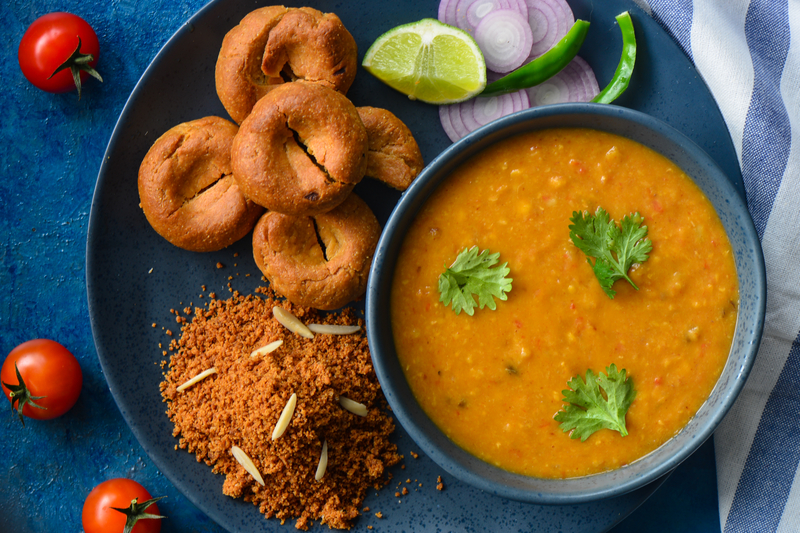
🌾 Dal Baati Churma (Rajasthan) – The Royal Trio of Rajasthani Cuisine
📖 Introduction
Dal Baati Churma is not just a dish—it is the soul of Rajasthani cuisine. This wholesome platter combines three elements: Dal (spiced lentils), Baati (baked wheat dumplings), and Churma (sweetened wheat crumble). Together, they create a rich, balanced, and indulgent meal that is both royal and rustic. Known for its bold flavors and hearty ingredients, Dal Baati Churma reflects the desert state’s culinary wisdom—nutritious, filling, and made to last in extreme conditions.
🎭 Cultural Significance
Dal Baati Churma is deeply tied to Rajasthani tradition. Historically, Rajput soldiers carried baatis during battles as they could stay edible for days without spoiling. Later, dal and churma were added, transforming it into a feast-worthy dish.
Today, no Rajasthani wedding, festival (like Diwali, Holi, or Teej), or grand celebration is complete without Dal Baati Churma. It also forms an essential part of the famous Rajasthani Thali, representing the hospitality and royal heritage of Rajasthan. The generous use of ghee in this dish showcases the state’s culture of abundance and warmth.
🥦 Key Ingredients
For Dal (Lentils)
-
Mixed lentils (toor dal, chana dal, moong dal, masoor dal)
-
Onions, tomatoes, garlic, green chilies
-
Ghee, turmeric, coriander powder, garam masala
-
Fresh coriander for garnish
For Baati (Wheat Dumplings)
-
Whole wheat flour
-
Ghee
-
Baking soda or ajwain (optional, for digestion)
-
Milk or water to knead
For Churma (Sweet Crumble)
-
Coarse wheat flour
-
Ghee
-
Sugar or jaggery
-
Dry fruits (almonds, pistachios, cashews, raisins)
-
Cardamom powder
👩🍳 Preparation Method
1. Baati (The Star of the Dish)
-
Knead wheat flour with ghee and milk into a stiff dough.
-
Shape into small, round balls.
-
Traditionally, baatis were baked in earthen ovens, but now they are baked in a tandoor, oven, or even deep-fried.
-
Once cooked, break open slightly and dip in melted ghee to soften and add richness.
2. Dal (The Spiced Lentil Curry)
-
Pressure cook mixed lentils until soft.
-
In a pan, heat ghee and prepare a tadka with cumin seeds, garlic, ginger, onions, and tomatoes.
-
Add spices (turmeric, red chili powder, coriander powder, garam masala).
-
Pour over the cooked dal and simmer until thick, fragrant, and flavorful.
3. Churma (The Sweet Finish)
-
Bake or deep-fry wheat flour dough until crisp.
-
Crush into coarse crumbs.
-
Mix with ghee, sugar/jaggery, cardamom powder, and nuts.
-
Serve as a sweet counterpart to the spicy dal and savory baati.
🍴 Serving Suggestions
-
Place two or three baatis on a plate, pour hot dal generously over them, and drizzle with ghee.
-
Serve churma in a small bowl on the side for a sweet ending.
-
Traditionally eaten with hands for the full authentic experience.
-
Accompanied by pickles, chutneys, papad, and sometimes buttermilk for a complete Rajasthani meal.
❤️ Why Everyone Likes It
-
Balanced Flavors – Spicy dal, earthy baati, and sweet churma create the perfect harmony.
-
Hearty & Filling – Rich in ghee, protein-packed lentils, and whole wheat make it a complete meal.
-
Royal Tradition – Eating Dal Baati Churma feels like tasting Rajasthan’s royal history.
-
Festive Delight – No big celebration in Rajasthan is complete without this trio.
-
Comfort Food – Despite being rich, it gives a sense of warmth and satisfaction.
🌟 Final Thought
Dal Baati Churma is more than food—it is an experience of Rajasthan’s culture, hospitality, and history. From the smoky baatis dipped in ghee to the spiced dal and the sweet churma, every element of this dish tells a story of survival, innovation, and celebration in the desert land.
If you ever visit Rajasthan, Dal Baati Churma is a must-try feast that brings the royal heritage of the state straight to your plate.
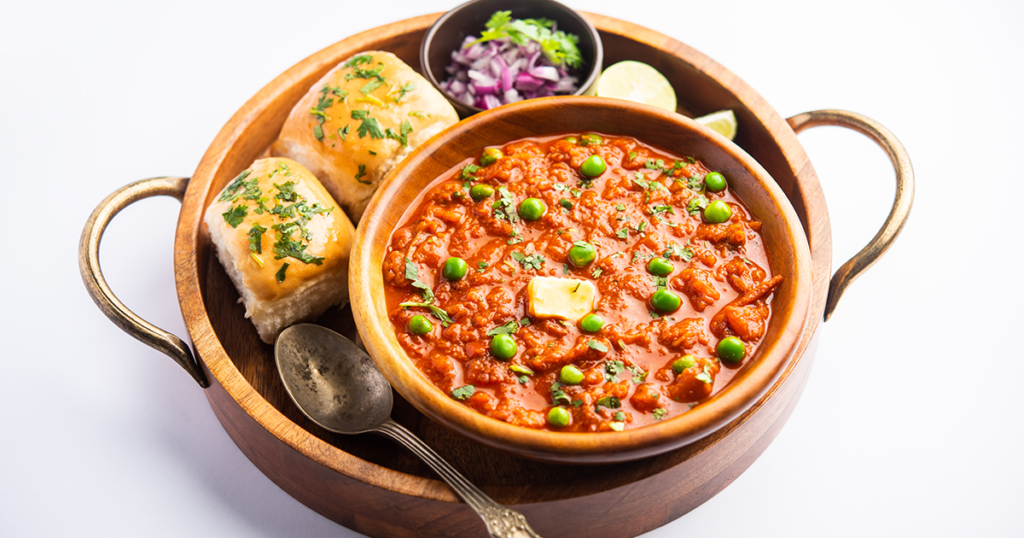
🍞 Pav Bhaji (Maharashtra) – Mumbai’s Iconic Street Food
📖 Introduction
Pav Bhaji is the crown jewel of Mumbai street food culture. A plate of buttery pav (soft bread rolls) served with a spicy, mashed vegetable curry (bhaji) topped with onions, lemon, and a generous dollop of butter – this dish has become a national obsession. Affordable, delicious, and satisfying, Pav Bhaji is not just food; it’s an emotion of Mumbai’s fast-paced life, bringing people together across classes and ages.
🎭 Cultural Significance
The origins of Pav Bhaji go back to the mid-1800s in Mumbai, during the cotton mill era. Mill workers needed a quick, filling, and affordable meal that could be eaten during short breaks. Vendors began serving a spicy vegetable curry with leftover bread rolls (pav, introduced by the Portuguese). What started as a humble working-class meal has now become India’s favorite street food and is served everywhere – from roadside stalls to luxury hotels.
Today, Pav Bhaji is more than just food; it represents Mumbai’s spirit – fast, flavorful, and full of life.
🥦 Key Ingredients
For Bhaji (Vegetable Curry)
-
Boiled vegetables: potatoes, cauliflower, peas, capsicum, carrots
-
Onions, tomatoes, green chilies, ginger-garlic paste
-
Pav Bhaji masala (special spice blend)
-
Butter (lots of it!)
-
Salt, lemon juice, fresh coriander
For Pav (Bread Rolls)
-
Soft bread rolls (pav)
-
Butter (to toast the pav on a hot tawa)
Toppings
-
Finely chopped onions
-
Fresh coriander leaves
-
Lemon wedges
-
Extra butter for garnish
👩🍳 Preparation Method
1. Making the Bhaji
-
Boil vegetables (potatoes, peas, cauliflower, carrots) until soft.
-
Mash them well and keep aside.
-
In a large tawa/pan, heat butter and sauté onions, green chilies, and ginger-garlic paste.
-
Add chopped tomatoes and cook until mushy.
-
Mix in pav bhaji masala, chili powder, and salt.
-
Add mashed vegetables and cook until it becomes a thick, flavorful curry.
-
Top with lemon juice, butter, and coriander.
2. Preparing the Pav
-
Slice pav (bread rolls) horizontally.
-
Toast on a hot tawa with butter until golden and slightly crispy.
🍴 Serving Suggestions
-
Serve bhaji piping hot with buttered pav on the side.
-
Garnish with raw onions, coriander, and a wedge of lemon.
-
Add extra butter on top for the authentic Mumbai-style experience.
-
Can be paired with buttermilk or cold drinks for a complete street-food meal.
❤️ Why Everyone Likes It
-
Flavor Explosion – Spicy, buttery, tangy, and savory all in one bite.
-
Affordable Comfort Food – A filling dish enjoyed by rich and poor alike.
-
Street Food Charm – Eating pav bhaji from a street vendor feels magical.
-
Customizable – Extra spicy, cheesy pav bhaji, or even Jain versions (without onions/garlic) are popular.
-
Anytime Meal – Works as lunch, dinner, or a late-night snack.
🌟 Final Thought
Pav Bhaji is the soul of Mumbai’s food culture. What began as a humble dish for mill workers has now become an international favorite, found in Indian restaurants worldwide. Its balance of flavors, its heartiness, and its nostalgic charm make it a dish that transcends boundaries.
If you want to experience Mumbai on a plate, a hot, buttery plate of Pav Bhaji is the way to go.
🌶 Vindaloo (Goa) – The Fiery Curry of Goa
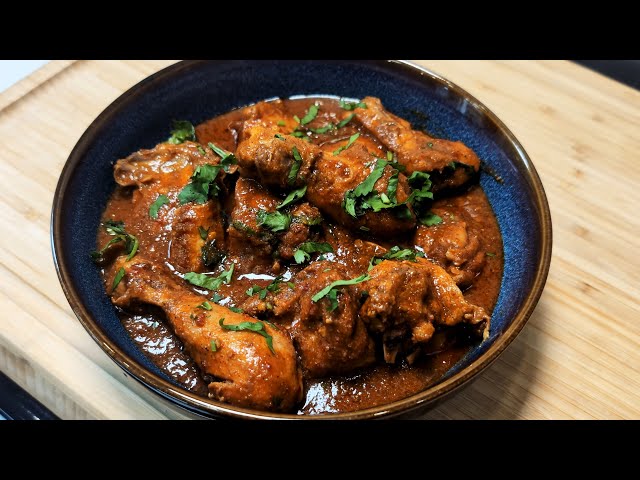
📖 Introduction
Vindaloo is a hot, tangy, and spicy curry that has become one of Goa’s most iconic dishes. Traditionally made with pork, this dish is marinated in vinegar and spices before being slow-cooked to perfection. The name Vindaloo comes from the Portuguese dish “Carne de Vinha d’Alhos” (meat marinated in wine and garlic). When the Portuguese brought it to Goa, Indian spices and local ingredients transformed it into the bold, fiery Vindaloo we know today.
🎭 Cultural Significance
Vindaloo reflects Goa’s colonial history and cultural fusion. The Portuguese ruled Goa for over 450 years, leaving a lasting impact on its food. Pork, vinegar, and wine-based marinades were introduced by them, but locals adapted the dish by using palm vinegar, chili peppers, and Indian masalas.
Traditionally, Vindaloo is enjoyed during festive occasions, family feasts, and Sunday meals in Goan Catholic households. Over time, it has gained international fame and is often found in Indian restaurants worldwide—sometimes as the “spiciest curry on the menu.”
🥦 Key Ingredients
-
Meat: Pork (authentic), but chicken, lamb, beef, and even vegetarian versions exist
-
Vinegar: Palm vinegar for tanginess
-
Garlic & Ginger: For flavor depth
-
Onions & Tomatoes: Form the curry base
-
Spices: Kashmiri red chilies (for color and heat), cumin, turmeric, cinnamon, cloves, cardamom
-
Oil/Ghee
-
Coriander leaves for garnish
👩🍳 Preparation Method
1. Marination
-
Meat is marinated overnight in vinegar, garlic, ginger, salt, and ground red chilies.
-
This not only infuses flavor but also tenderizes the meat.
2. Cooking the Curry
-
Heat oil and sauté onions until golden brown.
-
Add ground masala paste (chilies, cumin, cinnamon, cloves, garlic, ginger).
-
Cook until aromatic, then add tomatoes.
-
Add the marinated meat and cook slowly, letting the spices and vinegar blend into a rich gravy.
-
Simmer until the meat is tender and the curry thick and flavorful.
🍴 Serving Suggestions
-
Traditionally eaten with Goan sannas (fermented rice cakes).
-
Goes well with steamed rice, naan, or pav (bread rolls).
-
Can be served with pickle or salad for balance.
-
Best enjoyed the next day as flavors deepen overnight.
❤️ Why Everyone Likes It
-
Bold & Spicy – Perfect for those who love fiery food.
-
Tangy & Unique – Vinegar gives it a signature sharpness.
-
International Fame – One of the most popular “Goan curries” abroad.
-
Versatile – Works with pork, chicken, lamb, or even jackfruit for vegetarians.
-
Rich History – A true story of culinary fusion.
🌟 Final Thought
Vindaloo is not just a dish—it’s a culinary tale of Goa’s history, culture, and spice. Its fiery flavors, tangy vinegar punch, and deep aroma make it unforgettable. Whether you’re enjoying it in a Goan household or at a restaurant overseas, Vindaloo will always leave a mark on your taste buds.
If you want to taste Goa’s bold side, Vindaloo is the dish you cannot miss.
.
🥘 Undhiyu (Gujarat) – Gujarat’s Winter Special
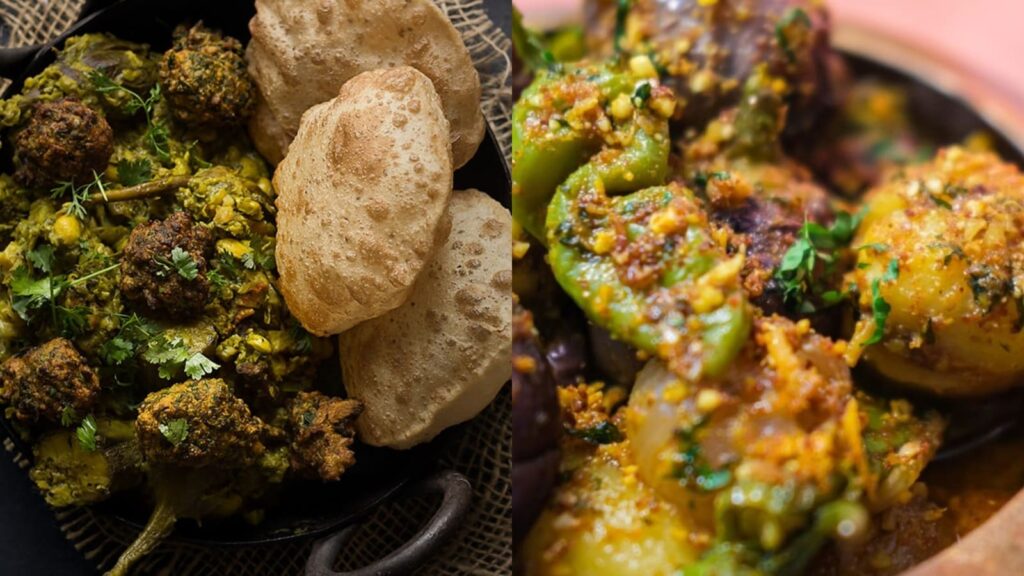
📖 Introduction
Undhiyu is a mixed vegetable curry that holds a special place in Gujarati cuisine. Traditionally prepared during winter, this dish is a wholesome blend of seasonal vegetables, spices, and fenugreek dumplings (muthiyas). The name Undhiyu comes from the Gujarati word “undhu”, meaning upside down, because the dish was traditionally cooked in earthen pots buried upside down in the ground and slow-cooked with fire from above.
🎭 Cultural Significance
Undhiyu is not just food—it’s a festival on a plate. Prepared mostly during Makar Sankranti (Uttarayan) in Gujarat, families gather to cook and share this dish, symbolizing togetherness and celebration. Because it uses only seasonal winter vegetables like surti papdi (flat beans), purple yam, and baby potatoes, it also reflects Gujarat’s deep connection to nature and seasonal eating.
It’s often considered the crown jewel of Gujarati cuisine and is a must-have at weddings, festivals, and special occasions.
🥦 Key Ingredients
-
Seasonal Vegetables: Surti papdi (flat beans), green peas, purple yam, baby potatoes, brinjal, raw bananas, sweet potatoes
-
Fenugreek Dumplings (Muthiyas): Made from fenugreek leaves, chickpea flour, and spices
-
Spices & Flavoring: Ginger, garlic, green chilies, coriander, sesame seeds, coconut, jaggery
-
Oil/Ghee
-
Fresh Coriander & Lemon Juice for garnish
👩🍳 Preparation Method
1. Prepping Vegetables
-
Wash, peel, and cut seasonal vegetables into chunks.
-
Stuff brinjals and potatoes with a masala paste made of coconut, coriander, sesame seeds, ginger, garlic, and spices.
2. Making Muthiyas
-
Prepare a dough using chickpea flour, fenugreek leaves, spices, and a little oil.
-
Roll into small dumplings and shallow-fry or steam them.
3. Cooking the Undhiyu
-
Heat oil in a large pot.
-
Add spices (cumin, mustard seeds, sesame seeds).
-
Layer stuffed vegetables, other chopped veggies, and muthiyas.
-
Add water and cover to let everything cook slowly.
-
Finish with jaggery, lemon juice, and fresh coriander for a sweet-tangy balance.
🍴 Serving Suggestions
-
Traditionally enjoyed with puri or rotis.
-
Also pairs beautifully with steamed rice and kadhi.
-
A dollop of ghee on top enhances its richness.
-
Best served during community feasts or family gatherings.
❤️ Why Everyone Likes It
-
Seasonal & Nutritious – Packed with winter vegetables and protein-rich dumplings.
-
Rich in Flavor – A balance of sweet, spicy, and tangy notes.
-
Festive Spirit – Associated with Makar Sankranti celebrations.
-
Unique Cooking Style – Slow-cooked “upside down” method gives it a rustic charm.
-
Wholesome Meal – A one-pot dish that satisfies both the heart and stomach.
🌟 Final Thought
Undhiyu is the soul of Gujarati winter cuisine—a dish that celebrates the season, culture, and family togetherness. With its unique blend of vegetables, muthiyas, and spices, it’s a comforting and flavorful dish that showcases Gujarat’s culinary richness.
If you want to experience Gujarat in one dish, Undhiyu is the perfect bite of tradition and flavor.
🍖 Laal Maas (Rajasthan) – The Fiery Royal Curry
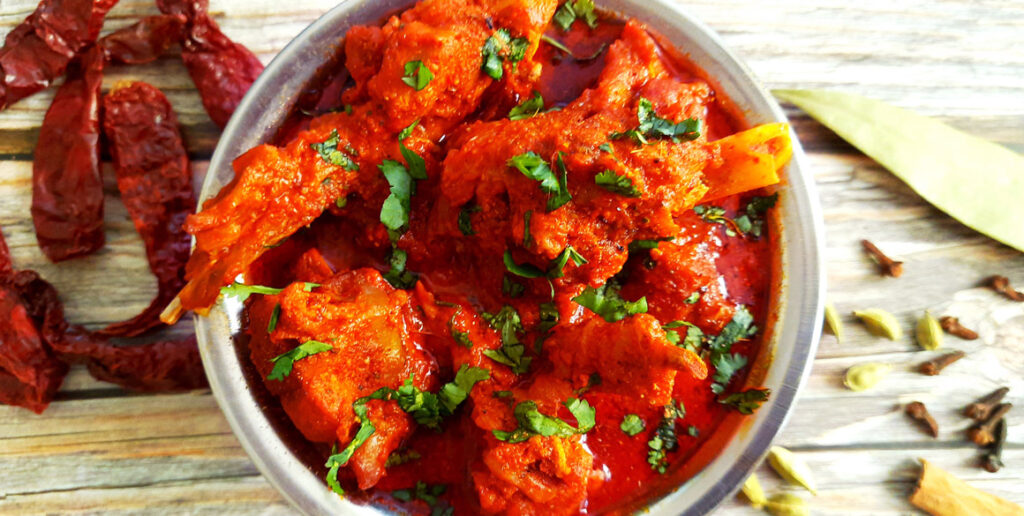
📖 Introduction
Laal Maas, literally meaning “Red Meat”, is a fiery Rajasthani mutton curry famous for its vibrant red color and bold flavors. Traditionally made with tender goat meat and a generous amount of Mathania red chilies, this dish is a symbol of Rajasthan’s love for rich, spicy, and royal cuisine. Originally a warrior’s dish, Laal Maas was served to the Rajput kings after hunting expeditions.
🎭 Cultural Significance
Laal Maas holds a special place in Rajasthani royal kitchens. It was prepared for Rajput kings, who were avid hunters, using game meat like wild boar or deer. The intense spice levels were meant to mask the gamey smell of the meat while giving it a bold, regal taste.
Today, Laal Maas is not just food—it’s heritage on a plate. It represents Rajasthan’s love for spice, its warrior traditions, and its culinary grandeur. The dish is often served during festivals, royal weddings, and cultural feasts, making it an essential part of Rajasthani identity.
🥦 Key Ingredients
Meat: Traditionally goat (mutton)
Mathania Red Chilies: Famous Rajasthani chilies known for their bright red color and moderate heat
Garlic & Ginger: For aroma and depth
Onions & Yogurt: Base of the curry
Whole Spices: Bay leaf, cloves, cinnamon, cardamom
Mustard Oil/Ghee: For cooking
Fresh Coriander for garnish
👩🍳 Preparation Method
1. Marination
Meat is marinated with yogurt, garlic paste, and ground red chilies.
This tenderizes the meat and infuses deep flavors.
2. Cooking the Curry
Heat mustard oil or ghee until it smokes (to remove rawness).
Fry whole spices and onions until golden brown.
Add marinated meat and cook until browned.
Add chili paste, garlic, and yogurt, letting the flavors blend.
Simmer on low flame until the meat is tender and the curry thickens into a rich, spicy gravy.
🍴 Serving Suggestions
Traditionally eaten with Bajra Roti (millet bread) or Missi Roti.
Also pairs well with steamed basmati rice or jeera rice.
Served with onion salad, lemon wedges, and sometimes fresh curd to balance the heat.
A glass of buttermilk (chaas) is often enjoyed alongside.
❤️ Why Everyone Likes It
Fiery & Bold – A paradise for spice lovers.
Royal Heritage – A dish once reserved for kings and hunters.
Unique Flavor – Smoky, tangy, and spicy all in one.
Authentically Rajasthani – Represents the state’s bold, rustic cuisine.
Comfort Food for Meat Lovers – Tender, flavorful, and deeply satisfying.
🌟 Final Thought
Laal Maas is more than a curry—it’s a royal legacy from Rajasthan’s warrior kitchens. Its fiery red color, bold spices, and smoky aroma make it one of India’s most unforgettable meat dishes.
If you want to taste the true spirit of Rajasthan, Laal Maas is a must-try experience that combines heritage, heat, and heart.
🐟 Bombay Duck Fry (Maharashtra) – The Coastal Treasure
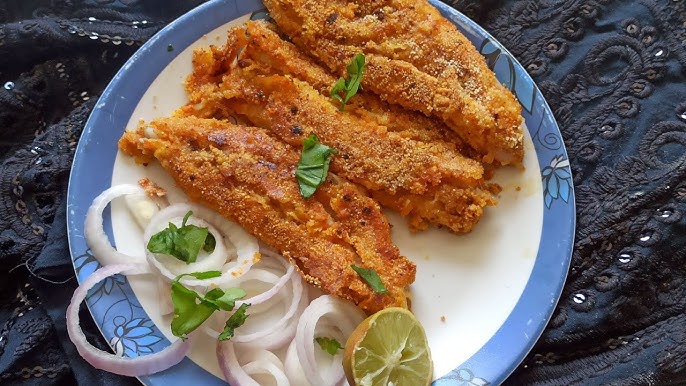
📖 Introduction
Despite its misleading name, Bombay Duck is not a duck at all—it’s a type of lizardfish (known locally as Bombil) found abundantly along the Mumbai and Konkan coast. Bombay Duck Fry is one of the most beloved seafood delicacies of Maharashtra. Light, crispy on the outside, and melt-in-the-mouth inside, this dish is a perfect example of the state’s rich coastal cuisine.
🎭 Cultural Significance
Bombay Duck Fry is an integral part of Konkan and Mumbai’s food culture. For centuries, fishermen along the western coast have dried and cooked Bombil, making it an affordable and protein-rich staple.
In Mumbai, it’s more than just food—it’s an emotion for seafood lovers. From local seafood joints to high-end restaurants, Bombay Duck Fry remains a star dish that connects people to the city’s coastal heritage. It is especially popular during monsoons and festive gatherings, when families come together to enjoy freshly caught seafood.
🥦 Key Ingredients
Bombay Duck (Bombil fish) – fresh or semi-dried
Spices – turmeric, red chili powder, coriander powder, salt
Coating – semolina (rava), rice flour, or gram flour for crispiness
Ginger-Garlic Paste – for depth of flavor
Lemon Juice – for tanginess
Oil – for shallow frying
Fresh Coriander & Onion Rings – for garnish
👩🍳 Preparation Method
1. Cleaning the Fish
Fresh Bombil is delicate and needs to be handled gently.
The central bone is often removed, leaving a soft, fillet-like fish.
2. Marination
Fish is marinated with turmeric, chili powder, salt, ginger-garlic paste, and lemon juice.
Allowed to rest so the spices seep deep inside.
3. Coating & Frying
Coat the marinated fish in semolina or rice flour for a crisp crust.
Heat oil in a pan and shallow fry until golden brown and crispy.
Drain excess oil on paper towels.
🍴 Serving Suggestions
Best served hot with onion slices, lemon wedges, and green chutney.
Pairs beautifully with steamed rice and solkadhi (kokum-coconut drink).
Can also be enjoyed as a starter or side dish with other seafood curries.
Popular with a chilled drink in Mumbai’s seafood restaurants.
❤️ Why Everyone Likes It
Crispy Yet Tender – Crunchy coating with soft, melt-in-mouth fish inside.
Authentic Coastal Flavor – Fresh, spicy, and tangy taste of Maharashtra’s Konkan coast.
Light & Addictive – Despite being fried, it feels light and flavorful.
Iconic Mumbai Dish – A must-try street and restaurant specialty.
Perfect with Rice Meals – Complements other seafood curries beautifully.
🌟 Final Thought
Bombay Duck Fry is not just a seafood dish—it’s a culinary symbol of Mumbai’s coastal charm. With its crispy golden crust, delicate flesh, and bold spices, it captures the essence of Konkan cuisine in every bite.
For anyone visiting Maharashtra, especially Mumbai, Bombay Duck Fry is an unforgettable food experience that combines tradition, flavor, and the spirit of the sea.
🐠 Goan Fish Curry (Goa) – The Soul of Coastal Cuisine
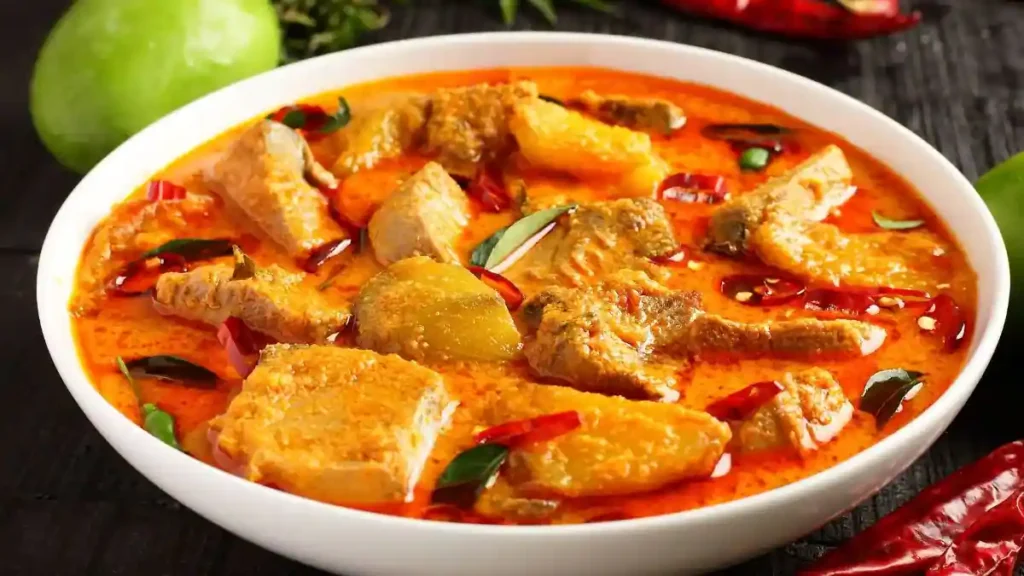
📖 Introduction
Goan Fish Curry, locally known as Xitt Kodi, is a signature dish from the coastal state of Goa. Bursting with flavors of coconut, tangy tamarind, and aromatic spices, this curry is usually prepared with fresh local fish such as kingfish (surmai), mackerel, or pomfret. Its perfect balance of spicy, tangy, and creamy flavors makes it one of the most loved seafood dishes across India and beyond.
🎭 Cultural Significance
Goan Fish Curry is more than just food—it’s a reflection of Goa’s diverse heritage, influenced by its Hindu, Portuguese, and Konkani traditions. Coconut and kokum/tamarind, staples of Konkan cuisine, form the base of the curry, while Portuguese influence brought the use of vinegar and chilies.
For Goans, fish curry and rice (xitt kodi) is not just a meal but a way of life. Almost every household prepares some version of it daily, making it the true comfort food of the region. It is also a dish served with pride to guests, symbolizing Goan warmth and hospitality.
🥦 Key Ingredients
Fresh Fish – kingfish, mackerel, pomfret, or prawns
Grated Coconut – base of the curry
Kokum / Tamarind / Vinegar – for tanginess
Spices – red chilies, coriander seeds, turmeric, cumin, black pepper
Garlic & Ginger – for aroma
Onions & Tomatoes – curry base
Coconut Oil – for authentic Goan flavor
Fresh Coriander – garnish
👩🍳 Preparation Method
1. Making the Curry Base
Grated coconut, dry red chilies, coriander, cumin, turmeric, and garlic are ground into a smooth paste.
This forms the flavorful masala for the curry.
2. Cooking the Curry
Heat coconut oil and sauté onions until golden.
Add tomatoes and the ground coconut masala, frying until fragrant.
Pour in water, kokum/tamarind extract, or vinegar for tang.
Add pieces of fresh fish and simmer gently until cooked.
3. Finishing Touches
Garnished with fresh coriander leaves.
Allowed to rest so the fish absorbs all flavors.
🍴 Serving Suggestions
Traditionally served with Goan red rice, which perfectly balances the spicy curry.
Also enjoyed with steamed rice, sannas (Goan rice cakes), or pav (bread rolls).
A side of fried fish or prawns enhances the meal.
Some locals enjoy it with a chilled glass of cashew feni or solkadhi for a complete Goan experience.
❤️ Why Everyone Likes It
Burst of Flavors – Tangy, spicy, and creamy all at once.
Authentic Coastal Taste – True essence of Goa’s seafood-rich cuisine.
Comfort Food – A staple meal in every Goan household.
Versatile – Can be made with different fish, prawns, or even vegetarian versions.
Rich Heritage – Represents the blend of Konkani and Portuguese influences.
🌟 Final Thought
Goan Fish Curry is more than just a dish—it’s Goa in a bowl. Its rich coconut base, tangy twist, and spicy kick embody the spirit of the coastal state, where the sea meets tradition and culture.
Whether you’re a seafood lover or just exploring Indian regional cuisines, Goan Fish Curry is a must-try experience that brings the taste of the ocean straight to your plate.
🌼 Khandvi (Gujarat) – The Elegant Farsan Delight
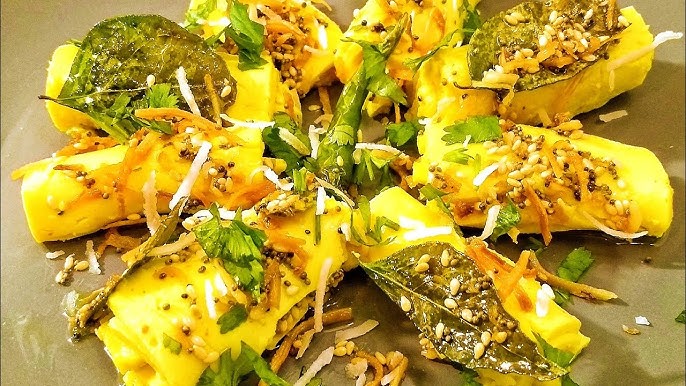
📖 Introduction
Khandvi, also known as Patuli or Surali Chya Vadya in Maharashtra, is a light, bite-sized Gujarati snack made from gram flour (besan) and yogurt. Thin, golden-yellow sheets are rolled into soft spirals and topped with a fragrant tempering of mustard seeds, sesame seeds, curry leaves, and green chilies. With its melt-in-the-mouth texture and tangy-salty flavor, Khandvi is considered one of Gujarat’s most refined and elegant snacks.
🎭 Cultural Significance
Khandvi represents the artistry of Gujarati cuisine, where simple ingredients are transformed into something beautiful and delicious. It’s commonly prepared during festivals, family gatherings, and special occasions. Unlike heavier fried snacks, Khandvi is light and healthy, making it a popular choice for tea-time or as a starter at Gujarati weddings.
Its popularity also extends to Maharashtra, showcasing the cultural exchange within Western India. For Gujaratis, however, Khandvi remains a dish of pride, symbolizing finesse, patience, and culinary skill.
🥦 Key Ingredients
Gram Flour (Besan) – main base
Yogurt (Curd) – gives tang and softness
Turmeric Powder – for color
Ginger-Green Chili Paste – for flavor
Salt – seasoning
Tempering – mustard seeds, sesame seeds, curry leaves, green chilies
Fresh Coriander & Grated Coconut – for garnish
👩🍳 Preparation Method
1. Making the Batter
Gram flour is whisked with yogurt, water, turmeric, salt, and ginger-chili paste into a smooth batter.
The mixture is cooked on low flame until thick and lump-free.
2. Spreading and Rolling
The hot batter is quickly spread thinly on the back of a thali, flat plate, or kitchen counter.
Once cooled, it is cut into strips and rolled into neat spirals.
3. Tempering & Garnishing
A hot tempering of mustard seeds, sesame seeds, curry leaves, and green chilies is poured over the rolls.
Garnished with coriander leaves and grated coconut for freshness.
🍴 Serving Suggestions
Served warm or at room temperature as a tea-time snack.
Pairs well with green chutney or garlic chutney.
Can be plated beautifully for parties and festive gatherings.
A cup of hot masala chai makes it the perfect evening combination.
❤️ Why Everyone Likes It
Melt-in-Mouth Texture – Soft, silky spirals that almost dissolve instantly.
Elegant & Light – Unlike fried snacks, it feels fresh and easy to digest.
Beautiful Presentation – Its rolled spirals make it visually stunning.
Balanced Flavor – Tangy, mildly spiced, and aromatic.
Healthy Snack – Steamed and protein-rich.
🌟 Final Thought
Khandvi is not just food—it’s culinary artistry on a plate. With its delicate rolls, golden hue, and aromatic tempering, it showcases the finesse of Gujarati cooking.
A symbol of elegance, patience, and skill, Khandvi continues to hold a special place in the hearts of Gujaratis and food lovers worldwide, proving that sometimes, the simplest ingredients create the most extraordinary dishes.
🍯 Ghevar (Rajasthan) – The Royal Sweet of Festivals
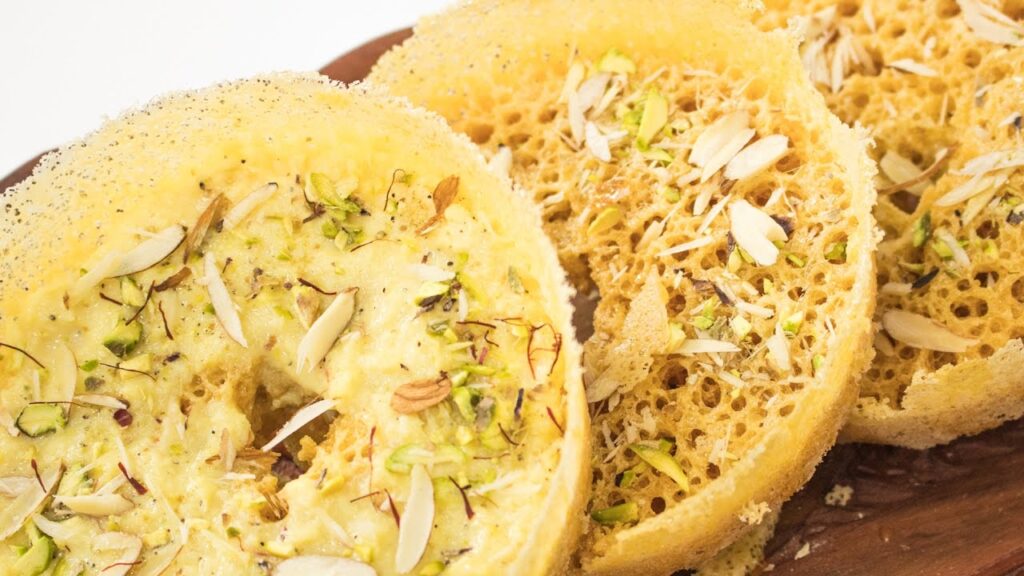
📖 Introduction
Ghevar is a traditional Rajasthani dessert that looks as spectacular as it tastes. This disc-shaped, honeycomb-textured sweet is made from refined flour (maida), ghee, and sugar syrup, often topped with rabri (thickened milk), dry fruits, and silver leaf (varq). Crispy yet juicy, Ghevar is prepared especially during festivals like Teej, Raksha Bandhan, and Makar Sankranti, making it a festive delicacy cherished across Rajasthan and beyond.
🎭 Cultural Significance
Ghevar is deeply tied to Rajasthani culture and traditions. It is the star sweet of the Teej festival, which celebrates the arrival of monsoon and is dedicated to Goddess Parvati. Families gift Ghevar to daughters, sisters, and newlyweds as a symbol of love, blessings, and prosperity.
Because of its festive association, Ghevar is not just a dessert—it is a celebration of heritage, festivity, and community bonding. Its roots go back centuries, making it one of the most iconic royal sweets of Rajasthan’s culinary history.
🥦 Key Ingredients
Refined Flour (Maida) – base of the batter
Ghee (Clarified Butter) – richness and crispiness
Chilled Water / Milk – to make the batter airy
Sugar Syrup (Chashni) – for sweetness
Cardamom Powder – for aroma
Rabri (Thickened Milk) – optional topping
Dry Fruits – almonds, pistachios, cashews
Silver Leaf (Varq) – royal finishing touch
👩🍳 Preparation Method
1. Making the Batter
A thin batter is made from maida, ghee, and chilled water/milk.
The consistency is kept runny for the honeycomb effect.
2. Frying the Ghevar
Ghee is heated in a deep kadhai (wok).
The batter is poured slowly from a height into the hot ghee.
The batter splatters and forms lace-like layers.
Layering continues until a round, disc-shaped honeycomb structure is formed.
The Ghevar is lifted out carefully once crisp and golden.
3. Sweetening & Decoration
The Ghevar is soaked or drizzled with sugar syrup.
Topped with rabri, dry fruits, saffron, and silver leaf.
🍴 Serving Suggestions
Best served fresh and slightly warm.
Commonly enjoyed during Teej and Raksha Bandhan.
Can be served plain, sugar-coated, or topped with rabri for a richer version.
A cup of saffron milk or masala chai makes a perfect pairing.
❤️ Why Everyone Likes It
Unique Honeycomb Texture – crispy yet juicy.
Festive Charm – synonymous with joy and celebration.
Rich & Royal Taste – enhanced with rabri, saffron, and nuts.
Visually Stunning – looks like a decorated festive crown.
Symbol of Tradition – reminds people of heritage and family ties.
🌟 Final Thought
Ghevar is not just a dessert—it is a royal emblem of Rajasthan’s festive spirit. With its intricate honeycomb structure, luscious sweetness, and festive importance, it continues to enchant people across India and the world.
Whether enjoyed plain or crowned with rabri and dry fruits, Ghevar remains a sweet celebration of Rajasthan’s culinary legacy and a must-try for anyone exploring Indian desserts.
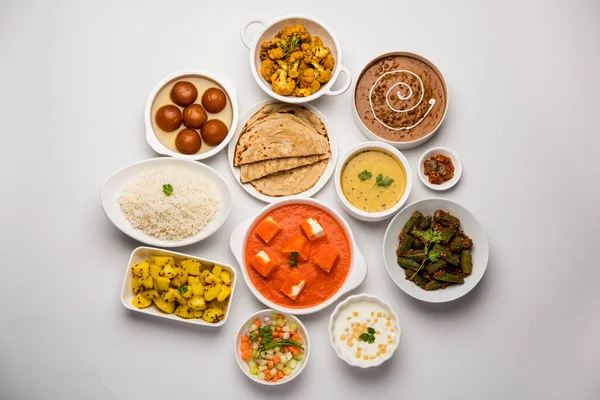
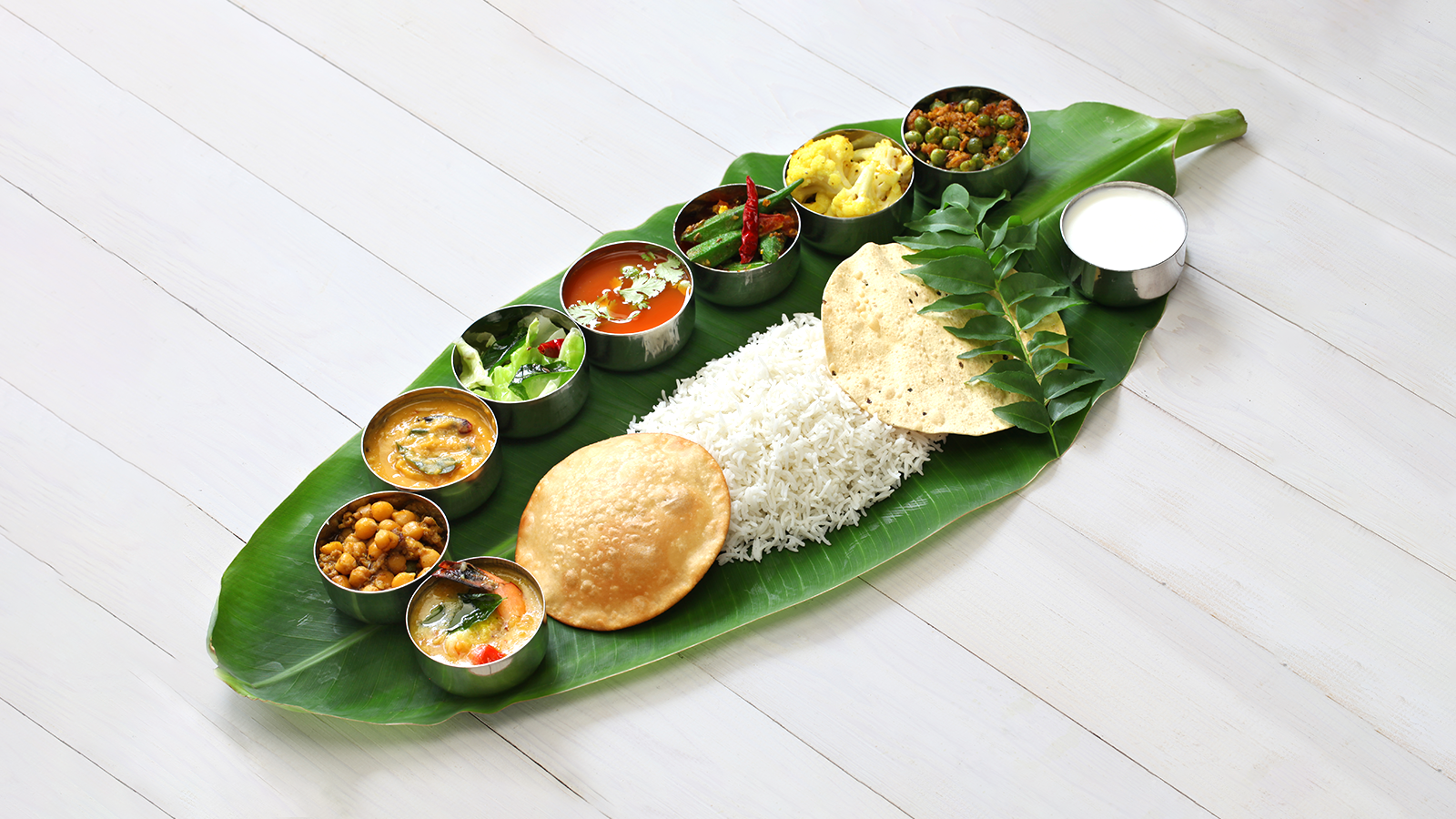
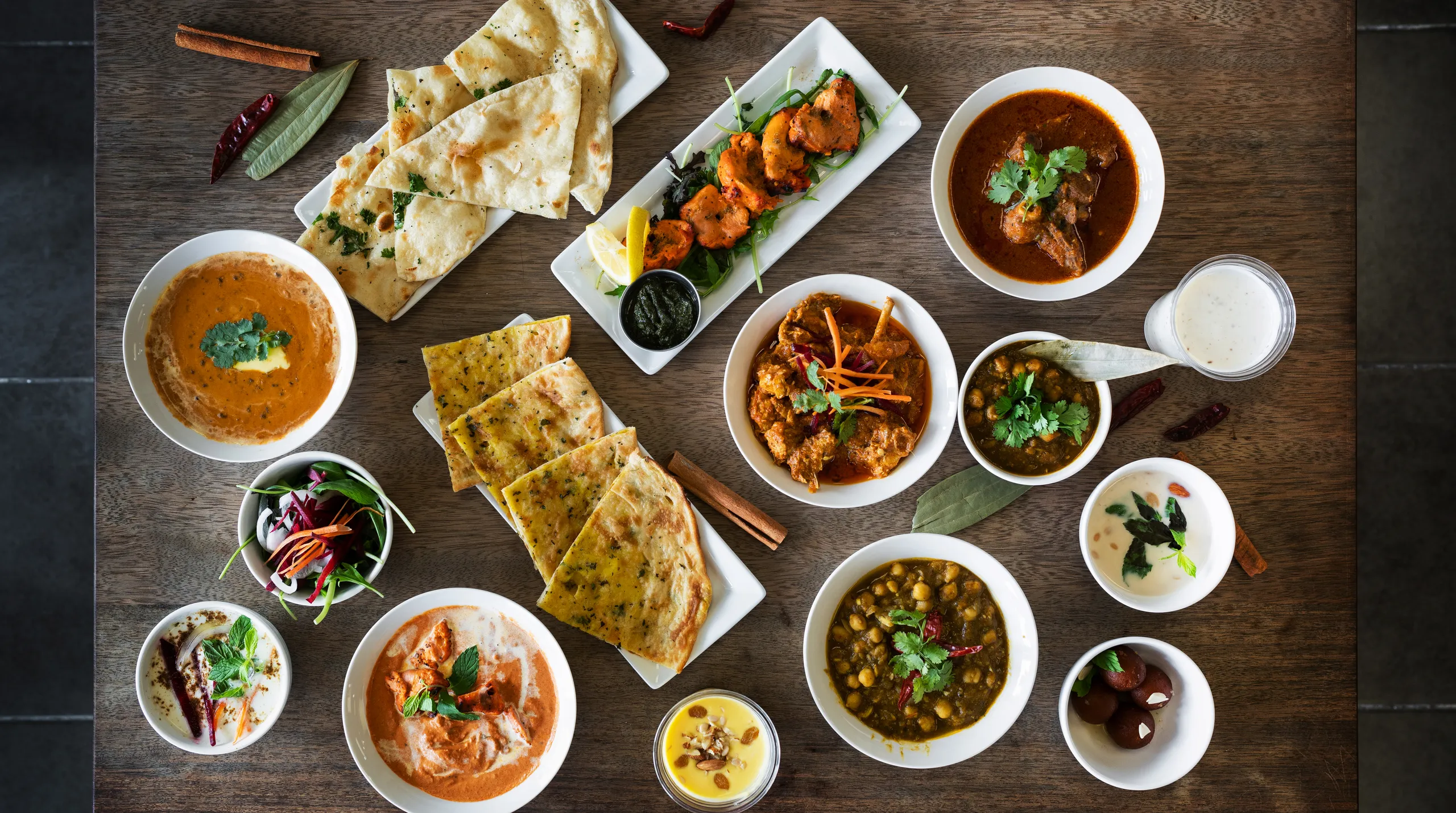
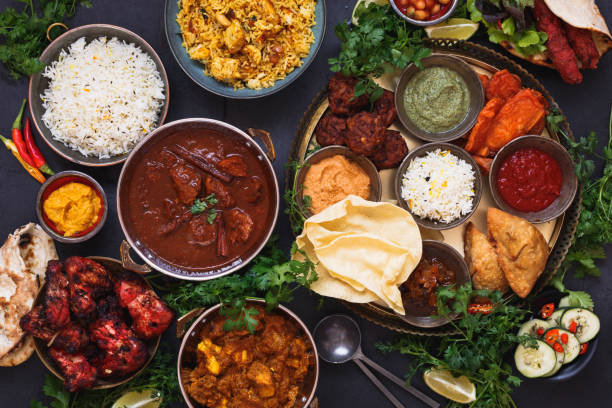
All-Time Favorite Food To Taste Across India
[…] West Indian Food […]